
Bio-Identical Hormones: Navigating Menopause & Andropause
Published on February 6, 2026 by Admin

Hormones are the body’s chemical messengers. They control many vital functions. These include mood, sleep, metabolism, and reproduction. As we age, hormone levels naturally decline. This decline can lead to significant health changes. For women, this often means menopause. For men, it can be andropause. Bio-identical hormone therapy offers a potential solution. It aims to rebalance these declining hormones.
This therapy uses hormones that are chemically identical to those produced by the body. It is a personalized approach. Therefore, it can help manage symptoms associated with hormonal changes. This article explores bio-identical hormone therapy. It will cover its use in managing menopause and andropause. We will also discuss its benefits, risks, and considerations.
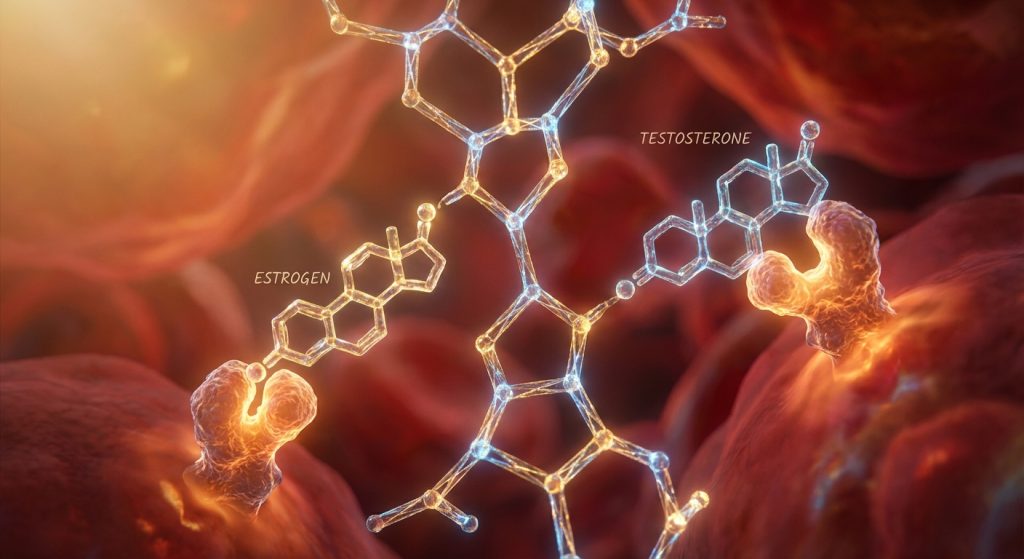
Understanding Hormonal Changes
Hormonal shifts are a natural part of aging. However, their impact can be profound. Understanding these changes is the first step. It helps in seeking appropriate management strategies.
Menopause: A New Chapter for Women
Menopause is a biological transition. It marks the end of a woman’s reproductive years. This typically occurs between ages 45 and 55. The ovaries gradually produce less estrogen and progesterone. This leads to a range of symptoms.
Common menopausal symptoms include:
- Hot flashes and night sweats.
- Vaginal dryness and discomfort.
- Sleep disturbances.
- Mood swings and irritability.
- Changes in libido.
- Fatigue and decreased energy.
- Weight gain, especially around the abdomen.
- Thinning hair and dry skin.
These symptoms can significantly impact quality of life. Moreover, lower estrogen levels increase the risk of osteoporosis and heart disease. Therefore, managing these changes is crucial for long-term health.
Andropause: The Male Hormonal Shift
Andropause, or “low testosterone,” affects men. It is often referred to as the “male menopause.” However, it is a more gradual decline. Testosterone levels typically begin to decrease after age 30. This decline accelerates in later years.
Symptoms of andropause can include:
- Decreased libido and erectile dysfunction.
- Reduced muscle mass and strength.
- Increased body fat.
- Fatigue and low energy levels.
- Mood changes, such as depression or irritability.
- Difficulty concentrating.
- Sleep disturbances.
- Reduced bone density.
While not all men experience severe symptoms, the effects can be substantial. Therefore, addressing low testosterone is important for men’s well-being.
What is Bio-Identical Hormone Therapy?
Bio-identical hormone therapy uses hormones. These hormones are molecularly identical to those your body naturally produces. This is unlike traditional hormone replacement therapy (HRT). Synthetic HRT uses hormones that are structurally different. Therefore, they may have different effects and side effects.
Bio-identical hormones are often derived from plant sources. Soybeans and yams are common sources. These plant compounds are then processed in laboratories. They are transformed into hormones that are exact duplicates of human hormones. Examples include estradiol, progesterone, testosterone, and dehydroepiandrosterone (DHEA).
Personalized Treatment Plans
A key advantage of bio-identical hormone therapy is personalization. Treatment plans are tailored to individual needs. This is based on hormone level testing and symptom assessment. An endocrinologist or a qualified healthcare provider will determine the right dosage and combination of hormones. This tailored approach aims to optimize effectiveness and minimize risks.
Delivery Methods
Bio-identical hormones can be administered in several ways. These include:
- Creams and gels applied to the skin.
- Patches worn on the skin.
- Injections.
- Oral capsules.
- Vaginal inserts or rings.
The best delivery method depends on the individual. It also depends on the specific hormones being replaced. For example, topical applications are common for testosterone. They help bypass the liver. This can reduce certain side effects. Oral forms of progesterone are often prescribed. They can be particularly helpful for sleep and mood regulation.
Benefits of Bio-Identical Hormone Therapy
When prescribed and monitored correctly, bio-identical hormone therapy can offer significant benefits. These benefits address many of the symptoms associated with menopause and andropause.
For Menopause Management
- Relief from Hot Flashes and Night Sweats: Estrogen replacement is highly effective. It reduces the frequency and intensity of these vasomotor symptoms.
- Improved Vaginal Health: Localized estrogen therapy can alleviate vaginal dryness. This restores comfort and improves sexual function.
- Better Sleep Quality: Hormone balance can help regulate sleep patterns. This leads to more restful sleep.
- Mood Enhancement: Hormones like estrogen play a role in neurotransmitter function. Balancing them can improve mood and reduce irritability.
- Bone Health Protection: Estrogen is vital for maintaining bone density. Hormone therapy can help prevent or slow the progression of osteoporosis.
- Cardiovascular Health: Some studies suggest that initiating hormone therapy early in menopause may offer cardiovascular benefits.
For Andropause Management
- Increased Energy and Vitality: Testosterone replacement can combat fatigue. It helps restore energy levels.
- Improved Libido and Sexual Function: Testosterone is crucial for sexual desire and function in men.
- Enhanced Muscle Mass and Strength: Testosterone plays a key role in muscle development. Therapy can help reverse muscle loss.
- Reduced Body Fat: Balanced testosterone levels can aid in fat reduction. It helps redistribute body composition.
- Improved Mood and Cognitive Function: Testosterone influences mood and mental clarity. Therapy may alleviate symptoms of depression and improve focus.
- Bone Density Maintenance: Testosterone is also important for bone health in men.
Furthermore, addressing hormonal imbalances can lead to an overall improvement in well-being. Many individuals report feeling more like themselves. They experience a renewed sense of vitality. This is a significant outcome for those struggling with age-related hormonal changes. This approach can be part of a broader strategy for healthy aging, much like understanding biohacking for longevity.
Risks and Considerations
While bio-identical hormone therapy can be beneficial, it is not without risks. It is essential to discuss these thoroughly with a healthcare provider. Moreover, adherence to prescribed protocols is paramount.
Potential Risks
Some potential risks associated with hormone therapy include:
- Blood Clots: Estrogen therapy, especially oral forms, can increase the risk of deep vein thrombosis (DVT) and pulmonary embolism (PE).
- Stroke and Heart Attack: The risk is generally low, particularly for younger women starting therapy soon after menopause. However, it can increase with age or pre-existing cardiovascular conditions.
- Certain Cancers: Long-term estrogen therapy without progesterone may increase the risk of endometrial cancer in women with a uterus. The link between hormone therapy and breast cancer is complex and debated. More research continues in this area.
- Gallbladder Disease: Hormone therapy can increase the risk of gallstones.
- Prostate Concerns (for men): Testosterone therapy may stimulate the growth of existing prostate cancer. Therefore, careful screening is necessary.
- Skin Reactions: Topical applications can sometimes cause skin irritation or allergic reactions.
Important Considerations
Before starting bio-identical hormone therapy, several factors must be considered:
- Medical History: A thorough review of personal and family medical history is vital. This includes any history of blood clots, heart disease, stroke, or certain cancers.
- Hormone Testing: Accurate baseline hormone levels are essential. Regular monitoring is also necessary to adjust dosages.
- Symptom Assessment: The therapy should target specific, bothersome symptoms. It is not a general anti-aging treatment.
- Lifestyle Factors: Diet, exercise, stress management, and sleep are crucial complements to hormone therapy. For instance, understanding holistic stress management can significantly impact hormonal balance.
- Provider Expertise: It is crucial to work with a healthcare provider experienced in hormone therapy. An endocrinologist is often the ideal specialist.
- Risks vs. Benefits: The decision to pursue therapy should involve a careful weighing of potential benefits against risks for the individual.
It is also important to note that “bio-identical” does not automatically mean “safer” than synthetic hormones. Both types require careful medical supervision. The key lies in personalization and vigilant monitoring. This is similar to how personalized medicine uses individual genetics for tailored treatments.
The Role of the Endocrinologist
Endocrinologists are medical doctors specializing in hormones. They are uniquely qualified to manage hormone imbalances. They understand the complex interplay of various hormones in the body.
An endocrinologist will:
- Conduct a comprehensive evaluation.
- Order and interpret hormone level tests.
- Discuss your symptoms and health goals.
- Prescribe the appropriate bio-identical hormones.
- Determine the correct dosages and delivery methods.
- Monitor your progress and adjust treatment as needed.
- Screen for potential risks and side effects.
Working with an endocrinologist ensures that therapy is safe and effective. It also helps to address the root causes of hormonal imbalances. This is crucial for long-term health and well-being.
Frequently Asked Questions (FAQ)
Is bio-identical hormone therapy the same as natural hormone therapy?
While the hormones are chemically identical to natural human hormones, they are typically manufactured in a lab from plant sources. Therefore, it’s more accurately termed “bio-identical” rather than purely “natural.”
How long does it take to feel the effects of bio-identical hormone therapy?
The timeline varies. Some individuals notice improvements within a few weeks. Others may take a few months to experience the full benefits. Consistent use and proper dosage are key.
Can men benefit from bio-identical hormone therapy?
Yes, men can benefit from bio-identical testosterone therapy to manage symptoms of andropause. This is often referred to as testosterone replacement therapy (TRT).
Are there any age restrictions for bio-identical hormone therapy?
Generally, therapy is considered for individuals experiencing symptoms of significant hormonal decline due to menopause or andropause. The decision is based on individual health needs and risks, not solely age.
Is bio-identical hormone therapy covered by insurance?
Coverage varies significantly by insurance provider and plan. Some insurers cover bio-identical hormone therapy, especially when prescribed for medically necessary reasons. Others may have limitations or exclusions. It is best to check with your insurance provider directly.
Conclusion
Bio-identical hormone therapy offers a promising avenue for managing the challenging symptoms of menopause and andropause. By using hormones that precisely match the body’s own, it provides a personalized approach to restoring balance. This can lead to significant improvements in quality of life, energy levels, mood, and overall health.
However, it is crucial to approach this therapy with informed caution. A thorough understanding of the potential benefits and risks is essential. Partnering with an experienced endocrinologist is paramount. They can guide you through the process. This ensures that your treatment plan is safe, effective, and tailored to your unique needs. Ultimately, bio-identical hormone therapy can be a powerful tool for navigating hormonal transitions and embracing a healthier, more vibrant future.
