
Smart Contact Lenses: A New Era for Diabetes Management
Published on February 6, 2026 by Admin
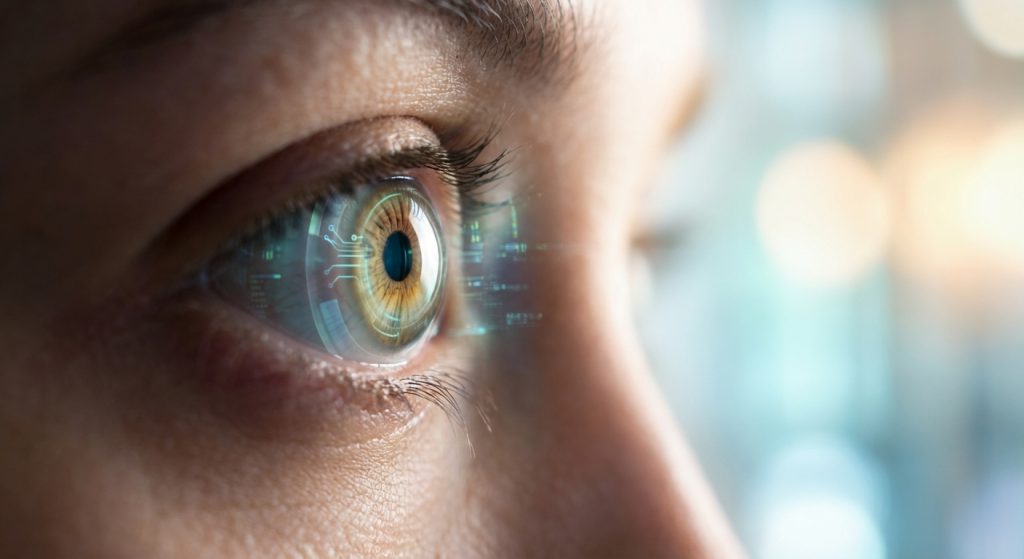
Diabetes management is a constant challenge. Blood glucose monitoring is crucial. However, traditional methods can be invasive. Finger pricks are common. They provide snapshots of glucose levels. But they don’t offer continuous insight. This is where smart contact lenses come in. They promise a revolutionary approach. This technology could change lives. It offers continuous glucose monitoring. This is a game-changer for diabetics.
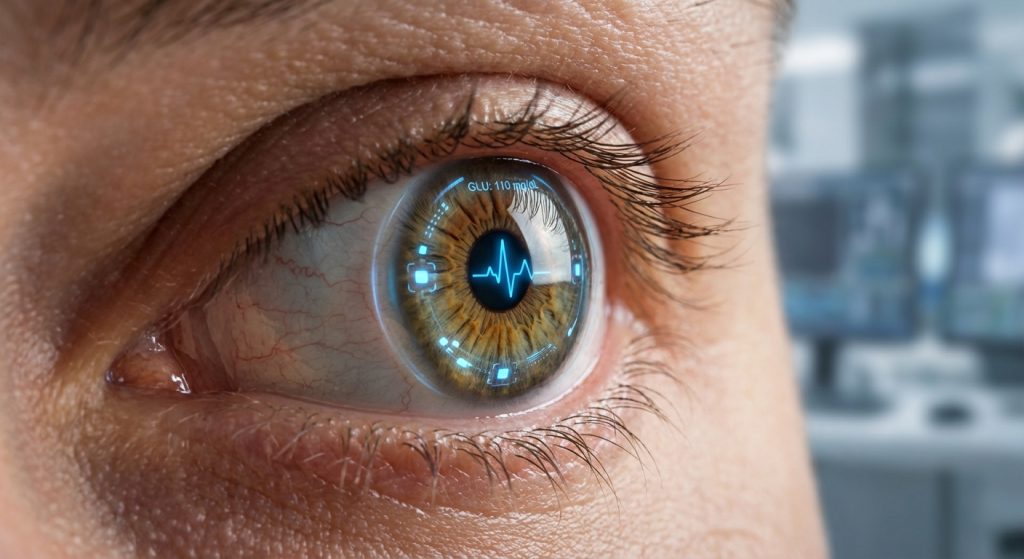
The Limitations of Current Diabetes Monitoring
Managing diabetes requires vigilance. You need to know your blood sugar levels. This is essential for preventing complications. Current methods have drawbacks. Finger pricks are the most common. They involve lancing a fingertip. This draws a small blood sample. A glucose meter then reads it. This process is repeated many times a day. It can be painful. It can also be inconvenient. Furthermore, it only shows glucose levels at that moment. It doesn’t track trends. It doesn’t show how levels change over time. This can lead to missed opportunities for intervention. For example, a sudden drop or rise might go unnoticed.
Continuous Glucose Monitors (CGMs) are better. They use a small sensor under the skin. This sensor measures glucose in interstitial fluid. It sends data wirelessly to a receiver. This provides real-time data. It also shows trends. However, CGMs still require a sensor insertion. This can be uncomfortable for some. There’s also the risk of infection. And the sensor needs regular replacement. Therefore, a less invasive, more integrated solution is needed.
Introducing Smart Contact Lenses for Glucose Monitoring
Smart contact lenses represent a significant leap forward. These are not your average contact lenses. They are advanced medical devices. They are designed to be worn like regular contacts. However, they contain tiny sensors. These sensors are capable of measuring glucose levels. They do this by analyzing tear fluid. Tear fluid glucose levels correlate with blood glucose levels. Therefore, these lenses can provide continuous data. This offers a much more complete picture of glucose fluctuations. This is a truly innovative application of med-tech.
The technology is still developing. But early research shows great promise. Scientists are working on miniaturizing the components. They need to be small enough to fit into a lens. They also need to be comfortable and safe. Powering these devices is another challenge. Researchers are exploring various power sources. These could include tiny batteries or wireless charging. The data collected needs to be transmitted. This will likely be done wirelessly to a smartphone or dedicated device.
How Smart Contact Lenses Work
The core of the technology lies in embedded micro-sensors. These sensors are incredibly small. They are designed to be biocompatible. They sit on the surface of the contact lens. These sensors detect glucose molecules in the tear film. Tear fluid is constantly produced. It bathes the eye. As blood glucose levels change, so do tear glucose levels. The sensors translate these changes into electrical signals. These signals are then processed.
This processed data is transmitted wirelessly. A small integrated chip handles this. It sends the information to an external device. This could be a smartphone app. The app then displays the glucose readings. It also shows trends and alerts. For instance, it can warn of dangerously high or low glucose levels. This proactive monitoring is key. It empowers individuals to manage their diabetes effectively. It also allows for more informed decisions about diet, exercise, and medication. This kind of real-time feedback is invaluable. It helps prevent severe hypo- or hyperglycemia.
Benefits for Diabetics
The advantages of smart contact lenses for diabetes management are numerous. Firstly, they offer unparalleled convenience. Imagine checking your glucose levels without a finger prick. You simply wear your contacts. This eliminates a daily source of pain and discomfort. For many, this alone would be a significant improvement. It makes consistent monitoring much more achievable.
Secondly, continuous monitoring provides richer data. Instead of random snapshots, you get a constant stream of information. This allows for a deeper understanding of glucose patterns. You can see how meals, exercise, and stress affect your levels. This detailed insight is crucial for personalized diabetes management. It helps individuals and their healthcare providers make better treatment decisions. It can lead to fewer complications in the long run. This aligns with the principles of AI in personalized healthcare.
Furthermore, smart contact lenses can improve quality of life. They reduce the burden of disease management. This can lead to less anxiety. It can also foster a greater sense of control. This technology could be particularly beneficial for children and the elderly. They may find finger pricks more challenging. The discreet nature of contact lenses is also a plus. It offers a more integrated and less conspicuous way to manage a chronic condition.
Challenges and Future Directions
Despite the exciting potential, smart contact lenses face hurdles. Accuracy is paramount. The lenses must reliably measure glucose levels. Tear fluid glucose levels can fluctuate. They are influenced by various factors. Researchers are working to ensure accuracy. They are calibrating sensors carefully. They are also developing algorithms to interpret the data correctly. Ensuring the sensors are robust and long-lasting is also important.
Another challenge is power. These tiny devices need a reliable power source. Current battery technology might be too bulky. Exploring energy harvesting techniques is crucial. This could involve ambient light or even body heat. Wireless charging solutions are also being investigated. The long-term safety and biocompatibility of the materials are also critical. The eye is a sensitive organ. Extensive testing is required. Regulatory approval will also be a lengthy process.
Looking ahead, the possibilities are vast. Future iterations could integrate more features. For example, they might monitor other biomarkers. They could also deliver medication automatically. This would create a truly closed-loop system. Imagine a contact lens that not only monitors glucose but also releases insulin when needed. This would be a significant advancement in diabetes care. The integration with other wearable bio-sensors will also be key.
The Role of Med-Tech Engineers
Med-tech engineers are at the forefront of this innovation. They are responsible for designing and developing these complex devices. This involves a multidisciplinary approach. It requires expertise in:
- Micro-fabrication and nanotechnology
- Biomedical engineering
- Material science
- Electrical engineering for sensor design and power management
- Software development for data analysis and user interfaces
- Clinical validation and regulatory affairs
Engineers must ensure the lenses are safe, effective, and user-friendly. They must also consider the manufacturing processes. Scalability is essential for widespread adoption. The collaboration between engineers, clinicians, and patients is vital. This ensures the technology meets real-world needs.
Smart Contact Lenses vs. Other Monitoring Technologies
Smart contact lenses offer distinct advantages over existing technologies. Traditional finger-prick meters are episodic. They provide limited data. Current CGMs are better but still involve an invasive sensor. They can also be bulky and require regular calibration. Smart contact lenses, however, aim for a completely non-invasive experience. They offer continuous, real-time data. This passive monitoring approach is a significant shift.
Other emerging technologies include smart tattoos and ingestible sensors. While promising, these also have their own challenges. Smart contact lenses leverage an existing form factor. This makes them potentially more acceptable to users. The direct interface with the eye offers a unique vantage point for data collection. This is especially true for tear fluid analysis. This makes them a compelling option for the future of diabetes care.
Conclusion: A Glimpse into the Future of Diabetes Care
Smart contact lenses for continuous glucose monitoring are no longer science fiction. They represent a tangible step towards a less invasive, more integrated future for diabetes management. While challenges remain, the potential benefits are immense. This technology promises to empower individuals with diabetes. It offers them greater control and a better quality of life. For med-tech engineers, this is an exciting frontier. It’s an opportunity to develop solutions that truly transform healthcare. The journey from concept to widespread clinical use is complex. However, the vision of a world where diabetes is managed seamlessly through wearable tech is getting closer. This innovation is a testament to human ingenuity in tackling chronic diseases.
Frequently Asked Questions
Are smart contact lenses safe for the eyes?
Safety is a top priority. Extensive research and testing are ongoing. The materials used must be biocompatible and non-irritating. The sensors are designed to be very small and unobtrusive. Regulatory bodies will require rigorous safety data before approval.
How often will I need to replace smart contact lenses?
This will depend on the specific design and materials. Some might be designed for daily wear and disposal, similar to current soft contact lenses. Others might be reusable for a longer period. The lifespan will be a key factor in cost and convenience.
Will smart contact lenses be comfortable to wear all day?
Comfort is a primary design goal. Engineers are working to ensure the lenses are as thin and flexible as possible. They should feel similar to regular contact lenses. However, individual comfort can vary. Long-term wearability studies will be crucial.
How will the data be accessed and used?
Data will likely be transmitted wirelessly to a smartphone app. This app will display glucose readings, trends, and alerts. Users may also be able to share this data with their healthcare providers. This facilitates better monitoring and management.
When can I expect smart contact lenses to be available?
The development timeline is still uncertain. While prototypes exist, widespread commercial availability is likely several years away. Rigorous clinical trials and regulatory approvals are necessary steps.
