AirPods & Gen Z: Protecting Hearing in the Digital Age
Published on February 6, 2026 by Admin
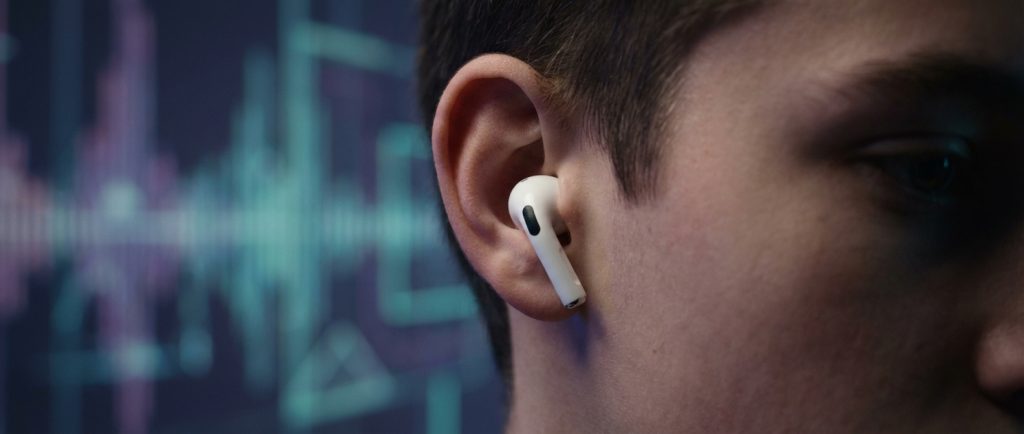
The constant soundtrack of modern life, often delivered through earbuds and headphones, poses a significant risk to hearing health, especially for young adults. Indeed, the pervasive use of personal audio devices, like Apple’s AirPods, has ushered in a new era where hearing protection demands proactive, preventive audiology. This article will explore the risks and offer actionable strategies for Gen Z to safeguard their hearing for the future.
The Rise of Personal Audio and Hearing Risks
Young adults today are immersed in a world of constant connectivity and entertainment. This includes listening to music, podcasts, audiobooks, and participating in online gaming. Many rely on wireless earbuds, such as AirPods, for their convenience and portability. However, this convenience comes with a hidden danger: noise-induced hearing loss (NIHL).
Firstly, it’s crucial to understand that prolonged exposure to loud sounds is the primary culprit. When decibel levels exceed safe limits, the delicate structures within the inner ear, specifically the hair cells, can be damaged. This damage is often irreversible. Therefore, consistent listening at high volumes, even for short periods, can accumulate over time, leading to significant hearing impairment.
Understanding Sound Levels and Safe Listening
The decibel (dB) scale measures sound intensity. Sounds at or below 70 dB are generally considered safe for extended listening. For instance, normal conversation typically hovers around 60 dB. However, many personal audio devices can easily reach 85 dB or higher. Prolonged exposure to 85 dB can cause hearing damage within just eight hours. Moreover, sounds at 100 dB, like a loud concert, can cause damage in as little as 15 minutes.
AirPods and similar devices often allow users to significantly increase the volume to overcome ambient noise. This practice is particularly concerning in environments like public transport or busy streets. Consequently, users may unknowingly expose themselves to dangerously high sound levels. It’s essential to be aware of these risks.
The Impact of Noise-Induced Hearing Loss (NIHL)
NIHL is a gradual process. Initially, it might manifest as temporary hearing loss or tinnitus, which is a ringing or buzzing in the ears. Over time, this can progress to permanent hearing loss, affecting speech understanding and overall quality of life. Furthermore, hearing loss can impact social interactions, academic performance, and mental well-being.
Specifically, NIHL often affects the higher frequencies first. This means it can become difficult to hear consonants like ‘s’, ‘f’, and ‘th’. As a result, speech can sound muffled or unclear. In addition, tinnitus can be a constant and distressing companion for those with NIHL. It’s important to remember that once the hair cells are damaged, they do not regenerate.
Why Gen Z is Particularly Vulnerable
Gen Z grew up with digital technology. They are digital natives who often use headphones and earbuds for extended periods daily. This constant exposure to personal audio devices makes them inherently more susceptible to NIHL. Furthermore, the social pressure to always be connected and engaged can lead to higher volume settings. Many young people may not be fully aware of the long-term consequences of their listening habits.
In addition, the convenience of wireless earbuds like AirPods means they are easily accessible and used in various settings, from studying to commuting. This constant use increases the cumulative exposure to potentially damaging noise levels. Therefore, education and awareness are paramount.
Preventive Audiology: A Proactive Approach
Preventive audiology focuses on protecting hearing before damage occurs. It involves education, awareness, and the adoption of safe listening practices. For Gen Z, this means integrating hearing protection into their daily routines. It’s not just about avoiding loud noise; it’s about making informed choices.
Firstly, understanding safe listening levels is key. Many modern devices have built-in volume limiters or provide warnings when sound levels become too high. Activating these features is a simple yet effective preventive measure. Secondly, taking regular breaks from listening is crucial. The 60/60 rule is a good guideline: listen at no more than 60% of maximum volume for no more than 60 minutes at a time.
Practical Strategies for Safe Listening
Here are actionable steps Gen Z can take:
- Lower the Volume: Make it a habit to start listening at a moderate volume. If you can’t hear ambient sounds, it’s likely too loud.
- Use Volume Limiters: Many smartphones and audio devices have settings to cap the maximum volume. Enable these features.
- Take Listening Breaks: Give your ears a rest every 60 minutes. Step away from your audio source for at least 5-10 minutes.
- Choose Noise-Canceling Headphones: These headphones reduce the need to turn up the volume to block out background noise.
- Be Mindful of Your Environment: Avoid using loud audio in already noisy places. If you must, ensure your volume doesn’t exceed safe limits.
- Regular Hearing Check-ups: Visit an audiologist for regular hearing tests. Early detection of any changes can help prevent further damage.
The Role of Audiologists
Audiologists play a vital role in preventive audiology. They can educate young adults about the risks of NIHL and provide personalized advice. They can also perform hearing tests to establish a baseline and monitor for any changes over time. Furthermore, audiologists can recommend appropriate hearing protection devices for specific situations.
For instance, custom-molded earplugs can be beneficial for musicians or individuals who frequently attend loud events. These earplugs reduce sound levels without significantly distorting the sound quality. Moreover, audiologists can help diagnose and manage tinnitus, offering coping strategies and support. They are the frontline experts in hearing health.
Educating for a Lifetime of Healthy Hearing
Education is the cornerstone of prevention. Audiologists can work with schools and universities to integrate hearing health awareness into their curriculum. Workshops and informational sessions can empower young adults with the knowledge they need to make informed decisions about their hearing. This proactive approach is far more effective than treating hearing loss after it has occurred.
It’s also essential to address the social aspect. Many young people might feel self-conscious about using hearing protection or listening at lower volumes. Normalizing safe listening practices and highlighting the long-term benefits can help overcome this social barrier. After all, preserving hearing is crucial for enjoying music, communication, and life itself.
Technological Solutions and Future Trends
Technology is evolving to aid in hearing protection. Many new audio devices come with features designed to monitor listening habits and alert users to potential risks. Some apps can measure ambient noise levels and provide recommendations for safe listening times. Furthermore, the development of more sophisticated noise-canceling technology continues to improve the user experience.
Beyond personal audio devices, advancements in audiology are promising. For example, research into AI-powered diagnostics could lead to earlier and more accurate detection of hearing issues. Similarly, wearable biosensors are emerging that can monitor various health metrics, potentially including indicators of auditory stress. These innovations will undoubtedly play a role in future preventive audiology efforts. The field of AI-driven drug discovery, while seemingly unrelated, highlights the broader trend of technology playing a crucial role in health advancements.
Conclusion: Prioritizing Hearing Health
The “Airpod Era” presents unique challenges and opportunities for hearing health. While personal audio devices offer unparalleled convenience, they also carry significant risks if used improperly. By adopting preventive audiology principles and practicing safe listening habits, Gen Z can protect their hearing for a lifetime.
Therefore, it is imperative for young adults to be proactive. This includes understanding sound levels, taking regular breaks, and utilizing technological aids. Furthermore, regular visits to an audiologist are essential for monitoring hearing health. Ultimately, prioritizing hearing is an investment in overall well-being and quality of life. It’s about enjoying the sounds of life, not regretting their absence.
Frequently Asked Questions (FAQ)
What is the safest listening volume?
The general guideline is to keep listening volumes at or below 70% of the maximum volume your device allows. For prolonged listening sessions (over an hour), it’s advisable to keep the volume even lower, around 60%.
How can I tell if my listening volume is too high?
If people around you can hear your music or audio clearly, it’s likely too loud. Additionally, if you experience ringing in your ears (tinnitus) after listening, or if you have difficulty hearing normal conversations afterward, your volume was probably too high.
Are noise-canceling headphones safe for hearing?
Noise-canceling headphones can be beneficial because they reduce the need to turn up the volume to overcome background noise. However, they do not inherently make listening at high volumes safe. You still need to be mindful of the volume level.
Can hearing loss from loud music be reversed?
Unfortunately, noise-induced hearing loss is typically permanent. The hair cells in the inner ear that are damaged by loud noise do not grow back. This is why prevention is so critical.
How often should I get my hearing checked?
If you frequently expose yourself to loud noise, or if you notice any changes in your hearing, it’s recommended to get a hearing test annually. For most young adults with average exposure, a hearing check every 2-3 years is a good starting point.