
Dog Dementia: Spotting Early Signs & Managing Canine Cognitive Decline
Published on December 25, 2025 by Admin
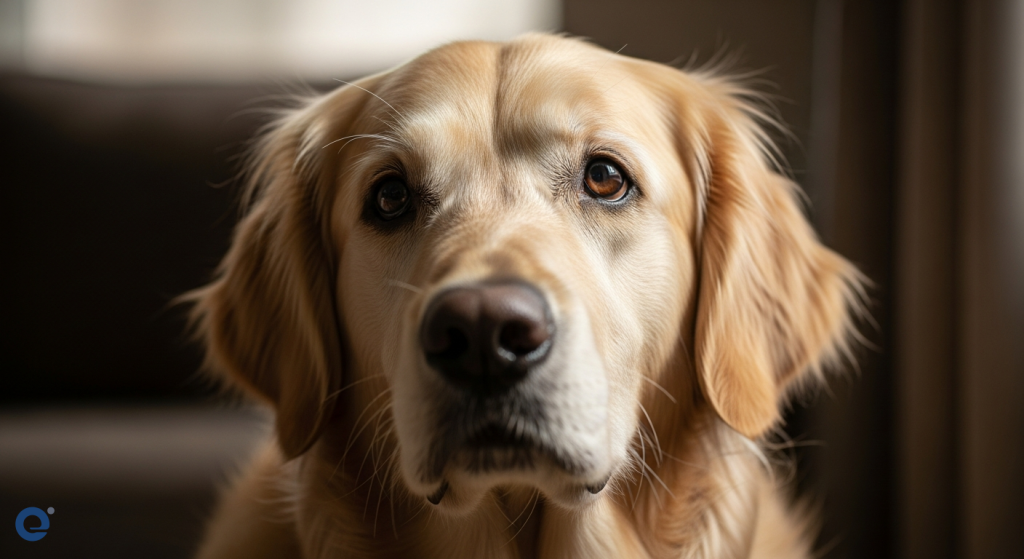
As our beloved canine companions age, their brains, like ours, undergo changes. This natural aging process can lead to cognitive decline, a condition mirroring Alzheimer’s disease in humans. Canine Cognitive Dysfunction Syndrome (CCDS), often referred to as doggy dementia, affects a significant portion of senior dogs. In fact, around 35% of dogs over eight years old experience CCDS. Therefore, understanding its early signs and management strategies is crucial for maintaining their quality of life.
Recognizing these changes early is paramount because CCDS is a degenerative disease. This means the outward clinical signs worsen as the condition progresses. Brain deterioration is irreversible. Consequently, catching the signs early allows for the best chance to preserve cognitive function. However, accurately diagnosing CCDS early can be challenging. The initial signs are often subtle and can mimic other neurological disorders.
## Understanding Canine Cognitive Dysfunction Syndrome (CCDS)
CCDS is a progressive neurodegenerative disorder that impacts an aging dog’s brain. It is characterized by gradual changes in brain cells, including neurons, which are vital for transmitting information and regulating bodily functions. As dogs age, these neurons can waste away. This breakdown leads to a loss of the brain’s capacity for processing information, resulting in observable behavioral and physical changes.
One of the key pathological changes involves the build-up of beta-amyloid protein. This protein can create toxic conditions for neurons. When neurons stop functioning correctly or die, the brain’s internal communication falters. This disruption is what owners often notice as altered behavior in their senior dogs.
### The DISHAA Acronym: A Helpful Guide
To help owners identify potential signs of cognitive decline, a helpful tool uses the acronym “DISHAA.” This framework outlines common clinical manifestations of CCDS:
* Disorientation: Dogs may get lost in familiar places, stare blankly, or become stuck in corners.
* Interaction Changes: They might become unusually clingy or avoidant. They may also fail to recognize familiar people.
* Sleep Pattern Changes: Wandering at night and increased sleeping during the day are common.
* House-Soiling Accidents: Previously house-trained dogs may start urinating or defecating indoors.
* Activity Level Changes: A decrease in interest in play or other activities, or restlessness and pacing, can occur.
* Anxiety and Behavioral Shifts: Increased anxiety, new phobias, irritability, or aggression can surface.
## Early Signs to Watch For
The onset of CCDS is often gradual. Therefore, owners might not notice the changes immediately. Sometimes, it takes returning from a vacation or a houseguest pointing out a subtle alteration to bring the issues to light. It’s essential to be observant of any shifts in your dog’s behavior.
### Behavioral Changes in Senior Dogs
Common early signs can be quite subtle. These include:
* Disorientation: This can manifest as your dog seeming confused in familiar environments. They might stand aimlessly in corners or stare into space. For instance, a dog that once navigated your home with ease might now bump into furniture or seem unsure of where it is.
* Changes in Social Interaction: Your usually social dog might become withdrawn or unusually demanding of attention. They may also show a reduced interest in interacting with family members.
* Altered Sleep-Wake Cycles: A classic sign is a disruption in their normal sleep patterns. They might sleep more during the day and become restless or wander aimlessly at night. This can be particularly disruptive for owners.
* House-Soiling Incidents: This is a distressing sign for many owners. A dog that has been reliably house-trained may suddenly start having accidents indoors. This is often due to confusion or an inability to signal their need to go outside.
* Decreased Activity and Interest: A once energetic dog may show a lack of enthusiasm for walks, playtime, or other activities they previously enjoyed. Conversely, some dogs may become restless and pace frequently.
* Increased Anxiety or Irritability: You might notice your dog becoming more anxious, fearful, or irritable. New phobias can develop, or they might become aggressive in situations where they were previously calm.
* Learning and Memory Impairment: Dogs may struggle to learn new commands or even fail to respond to commands they once knew perfectly. This indicates a decline in their cognitive processing abilities.
## Diagnosis: Ruling Out Other Conditions
Diagnosing CCDS involves a comprehensive approach by a veterinarian. Since many signs of CCDS overlap with other health issues, ruling out these conditions is crucial. Your veterinarian will perform a thorough physical examination. Additionally, blood and urine tests are often recommended to screen for other diseases.
These tests can help identify or exclude conditions such as:
* Pain associated with arthritis or other musculoskeletal issues.
* Seizure disorders.
* Systemic illnesses affecting organ function.
* Vision or hearing loss, which can cause behavioral changes.
In some cases, advanced imaging like an MRI may be used. An MRI can help rule out structural brain diseases such as brain tumors. MRI scans can also reveal brain atrophy, which is a characteristic of CCDS. However, significant brain shrinkage is often most visible on an MRI when the cognitive decline is advanced. Therefore, clinical signs are often the primary diagnostic indicators.
## Management and Treatment Strategies
While there is no cure for CCDS, much like with Alzheimer’s disease in humans, various management strategies can significantly improve a dog’s quality of life and potentially slow the progression of the disease. The goal of treatment is to preserve existing cognitive function and slow further deterioration.
### Environmental Enrichment and Routine
Maintaining a predictable routine is highly beneficial for dogs with CCDS. Consistency in feeding times, walks, and bedtime can reduce anxiety and confusion. Creating a stimulating yet familiar environment is also important. This includes:
* Regular Exercise: Gentle, consistent exercise helps maintain physical and mental health.
* Interactive Toys: Puzzle toys can provide mental stimulation without being overwhelming.
* Social Interaction: Continued positive interaction with family members can be beneficial.
* Safe Spaces: Ensuring your dog has a comfortable and safe place to rest can reduce anxiety.
Cognitive Dysfunction in the Senior Dog & Cat: PART TWO- Management
### Nutritional Support and Diet
Specific diets and nutritional supplements can play a vital role in managing CCDS. Certain prescription diets are formulated with antioxidants, fatty acids, and other nutrients that support brain health. These can help combat oxidative stress and inflammation in the brain.
Examples of such diets include:
* Hill’s Prescription Diet b/d
* Purina Pro Plan Neurocare
* Royal Canin Veterinary Canine Mature Consult
Additionally, supplements may be recommended by your veterinarian. These can include:
* Senilife
* Novifit (SAMe)
* Aktivait
It is crucial to consult with your veterinarian before starting any new diet or supplement regimen to ensure it is appropriate for your dog’s individual needs.
### Medications and Rehabilitation
In some cases, medications may be prescribed to manage specific symptoms of CCDS. Selegiline is a medication approved for CCDS treatment in North America. It works by increasing dopamine levels in the brain, which can help improve cognitive function. Medications may also be used to address secondary issues like anxiety or sleep disturbances.
Physical therapy and rehabilitation techniques also show promise. These can help dogs maintain mobility and quality of life. Alleviating pain from age-related conditions like arthritis is also a critical first step. Addressing any underlying pain can prevent it from exacerbating CCDS symptoms. Sasha Foster, a small animal rehabilitation coordinator, emphasizes the importance of a familiar routine and decreasing novel activities. This approach helps dogs feel more secure and reduces cognitive load.
## The Importance of Early Intervention
The key to effectively managing CCDS lies in early recognition and intervention. Because the disease is degenerative, the earlier treatment begins, the more cognitive function can be preserved. While brain atrophy is a hallmark of CCDS, it is often most evident on an MRI when the disease is advanced. Therefore, relying solely on imaging for diagnosis is not ideal for early intervention.
Veterinarians and owners are encouraged to be vigilant for subtle behavioral changes. If you suspect your dog may be experiencing cognitive decline, schedule a veterinary appointment promptly. Early diagnosis and a tailored management plan can make a significant difference in your senior dog’s well-being.
## Frequently Asked Questions About Dog Dementia
What is Canine Cognitive Dysfunction Syndrome (CCDS)?
CCDS is a neurodegenerative disorder affecting aging dogs, similar to Alzheimer’s disease in humans. It causes gradual deterioration of brain function, leading to behavioral changes.
At what age do dogs typically develop CCDS?
Dogs may start to develop CCDS around nine years of age or older. However, some dogs may show signs earlier.
Can CCDS be cured?
Currently, there is no cure for CCDS. However, management strategies can help slow its progression and improve a dog’s quality of life.
What are the most common signs of dog dementia?
Common signs include disorientation, changes in social interaction, altered sleep patterns, house-soiling accidents, decreased activity, increased anxiety, and learning difficulties. The DISHAA acronym (Disorientation, Interaction changes, Sleep pattern changes, House-soiling, Activity changes, Anxiety) can help owners remember these signs.
How is CCDS diagnosed?
Diagnosis is based on clinical signs observed by the owner and veterinarian. A thorough physical exam, blood tests, and urine tests are used to rule out other conditions. In some cases, an MRI may be performed to assess brain health.
What treatments are available for CCDS?
Treatment often involves a combination of strategies, including specialized diets rich in antioxidants and fatty acids, environmental enrichment, consistent routines, and sometimes medications to manage symptoms. Physical rehabilitation may also be beneficial.
Can I prevent my dog from developing dementia?
While there’s no guaranteed way to prevent CCDS, maintaining a healthy lifestyle for your dog throughout its life, including a balanced diet, regular exercise, and mental stimulation, may help support brain health as they age.
## Conclusion
Canine Cognitive Dysfunction Syndrome is a common and often heartbreaking condition for senior dog owners. However, by being aware of the early signs and working closely with your veterinarian, you can make a significant difference in your dog’s comfort and well-being. Early recognition, combined with appropriate management strategies focusing on diet, routine, and environmental enrichment, can help your aging companion maintain a good quality of life for longer. Remember, your vigilance and proactive care are invaluable in navigating this stage of your dog’s life.
