
The Forest Bathing Effect: Pine Scent Lowers Blood Pressure
Published on February 6, 2026 by Admin

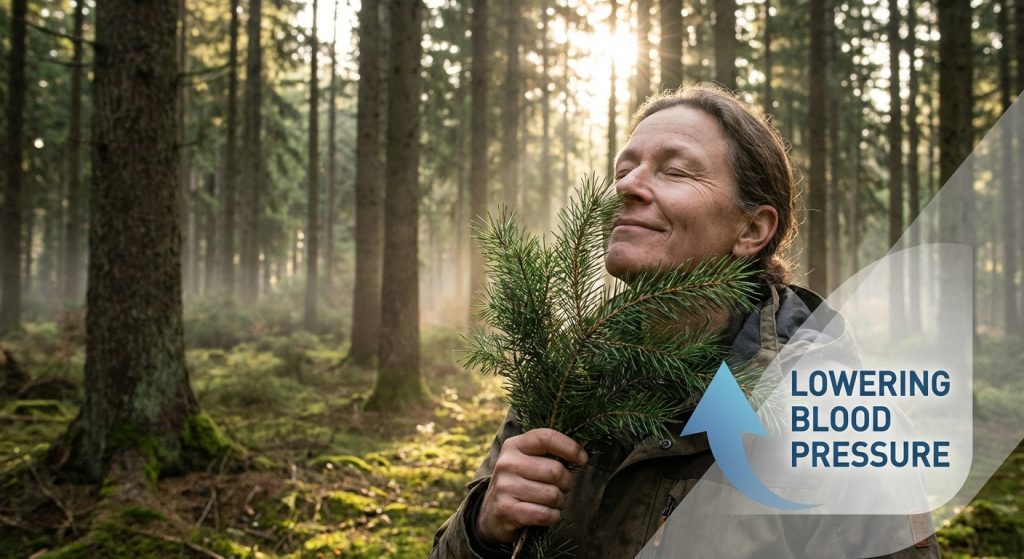
In our fast-paced urban lives, finding moments of true calm can feel like a luxury. We often seek solace in nature, but have you ever noticed how a walk in a pine forest can leave you feeling remarkably serene? This feeling is more than just a pleasant sensation. It’s a scientifically recognized phenomenon known as the “forest bathing effect.” Specifically, the distinct aroma of pine trees has a profound, positive impact on our physiological well-being, notably by lowering blood pressure.
This article explores the science behind this natural remedy. We will delve into why the scent of pine is so effective. Furthermore, we will discuss how you can harness these benefits, even if you live far from a dense forest. Environmentalists and urban dwellers alike can find value in understanding and practicing this simple yet powerful form of nature therapy.
What is Forest Bathing?
Forest bathing, or Shinrin-yoku, is a practice that originated in Japan. It translates to “taking in the forest atmosphere.” It is not about hiking or strenuous exercise. Instead, it involves mindfully immersing oneself in nature. The goal is to connect with the forest environment through all our senses. This means paying attention to sights, sounds, smells, and textures. It is a practice rooted in nature therapy. It aims to reduce stress and improve overall health.
Recent studies have highlighted its significant health benefits. These benefits extend beyond mere relaxation. They include measurable physiological changes. For instance, forest bathing can reduce stress hormones. It can also boost immune function. Moreover, it can improve mood and cognitive function. The practice encourages a slower pace of life. It helps us reconnect with the natural world. This reconnection is vital for our well-being.
The Science Behind Pine Scent and Blood Pressure
The air in a pine forest is rich with volatile organic compounds (VOCs). These are natural compounds released by plants. They are often responsible for the characteristic scents of plants. Pine trees, in particular, emit a complex blend of these compounds. Among these, alpha-pinene and limonene are particularly noteworthy. These compounds are believed to be key players in the health benefits associated with pine forests.
When we inhale these airborne compounds, they interact with our bodies. Research suggests that inhaling these forest aerosols can trigger a relaxation response. Specifically, these compounds are thought to influence the parasympathetic nervous system. This is the part of our nervous system responsible for the “rest and digest” functions. Activation of the parasympathetic nervous system leads to a decrease in heart rate and blood pressure. Therefore, the very scent of pine trees can actively help lower our blood pressure.
Phytoncides: Nature’s Air Purifiers and Stress Reducers
Pine trees, like many other forest trees, emit substances called phytoncides. These are antimicrobial volatile organic compounds. They are released by plants to protect themselves from insects and fungi. When humans inhale phytoncides, they can have a remarkable effect on our health. Studies have shown that phytoncides can increase the number and activity of natural killer (NK) cells. These cells are a crucial part of our immune system. They help fight off infections and diseases. Thus, the scent of pine not only calms us but also strengthens our defenses.
Moreover, phytoncides have been directly linked to stress reduction. They can lower levels of cortisol, the primary stress hormone. By reducing cortisol, they alleviate the physiological symptoms of stress. This includes elevated blood pressure. So, the complex chemical symphony of a pine forest works on multiple levels to promote health and reduce stress.
Measurable Health Benefits
The effects of forest bathing, particularly in pine forests, are not just anecdotal. Numerous scientific studies have documented these benefits:
- Lower Blood Pressure: Studies have consistently shown a reduction in systolic and diastolic blood pressure after spending time in forests, especially those rich in pine trees.
- Reduced Heart Rate: Similar to blood pressure, heart rate also tends to decrease, indicating a state of physiological relaxation.
- Decreased Stress Hormones: Levels of cortisol and adrenaline, hormones associated with the stress response, are significantly lowered.
- Improved Mood: Participants often report feeling happier, more relaxed, and less anxious after forest immersion.
- Enhanced Immune Function: An increase in NK cell activity has been observed, suggesting a strengthened immune system.
- Better Sleep Quality: Many individuals report improved sleep after incorporating forest bathing into their routine.
These findings are compelling. They underscore the potent therapeutic power of natural environments. The benefits are directly attributable to the unique atmosphere of forests. This includes the air quality and the specific chemical compounds released by the trees.
Bringing the Forest Home: Practical Tips
Living in a city does not mean you must miss out on these benefits. While a full forest immersion is ideal, there are ways to bring the essence of the pine forest into your daily life. Even small doses can make a difference. For those struggling with stress in urban environments, exploring nature-based therapies is highly recommended. You might find articles on green space therapy particularly insightful.
Creating a Pine-Infused Environment
Consider incorporating elements of pine into your home or workspace. This can create a more calming and restorative atmosphere. For example, you can:
- Use Pine Essential Oils: Diffusing high-quality pine essential oil can mimic the scent of a forest. Ensure it is pure and used according to safety guidelines.
- Bring Pine Scents Indoors: Pine-scented candles or room sprays can offer a similar aromatic experience. Always opt for natural and eco-friendly options.
- Decorate with Pine Elements: Incorporate pinecones, branches, or wood accents into your décor. This adds a visual and tactile connection to nature.
- Visit Local Parks with Pine Trees: Even small urban parks with pine trees can offer a localized version of forest bathing. Make these visits a regular part of your routine.
- Open Windows: When possible, open windows to let in fresh air. If you live near pine trees, this can bring their beneficial scent indoors.
Furthermore, for those interested in a broader approach to well-being, understanding the impact of our environment is key. Articles on health-integrated architecture can offer insights into creating healthier living and working spaces.
The Broader Impact: Urban Planning and Environmentalism
The “forest bathing” effect highlights the crucial role of green spaces in urban environments. For urban planners and environmentalists, this is a significant consideration. Integrating more trees, especially pine species, into city landscapes can have profound public health benefits. It’s not just about aesthetics; it’s about creating healthier communities.
Cities with ample green spaces tend to have lower rates of stress-related illnesses. They also experience improved air quality. Furthermore, these areas can become natural havens for relaxation and well-being. Investing in urban forestry is, therefore, an investment in public health. It is also a critical step towards creating more sustainable and livable cities. The concept of urban tree canopy benefits is paramount here.
Moreover, understanding the impact of plant compounds on human health can inform conservation efforts. Protecting forests, especially those with high biodiversity and unique aromatic properties, becomes even more vital. These natural environments are not just resources; they are living pharmacies.
Frequently Asked Questions (FAQ)
Is forest bathing only effective in pine forests?
While pine forests are particularly potent due to their specific chemical compounds like alpha-pinene, forest bathing in general is beneficial. Other types of forests also offer phytoncides and a calming atmosphere that can reduce stress and improve well-being. The key is immersion in nature.
How often should I practice forest bathing?
The frequency can vary depending on individual needs and access to nature. However, regular practice is key. Aiming for at least once a week can yield noticeable benefits. Even short, frequent visits to green spaces can be effective. Consistency is more important than duration.
Can forest bathing replace medical treatment for high blood pressure?
No, forest bathing should be considered a complementary therapy, not a replacement for medical treatment. If you have high blood pressure or any other health condition, it is crucial to consult with your doctor. They can provide appropriate medical advice and treatment plans. Nature therapy can support your overall health regimen.
Are there any side effects of forest bathing?
Generally, forest bathing is very safe. The main “side effects” are positive ones like feeling relaxed and rejuvenated. However, always be mindful of your surroundings. Be aware of potential allergens, insects, or uneven terrain. Dress appropriately for the weather and wear sturdy footwear.
Conclusion
The “forest bathing” effect, particularly the impact of pine tree scents, offers a powerful, natural way to improve our health. By reducing blood pressure and stress levels, it provides a vital counterbalance to the demands of modern life. The airborne compounds released by pine trees are nature’s own tranquilizers. They work synergistically to promote both physical and mental well-being.
Whether you can regularly visit a pine forest or simply bring its essence into your home, embracing this practice can lead to a more balanced and healthier life. For urbanites, it’s a reminder that pockets of nature can offer profound benefits. For environmentalists, it reinforces the intrinsic value of preserving our forests. Therefore, let us step into nature, breathe deeply, and let the pine-scented air work its magic.
