
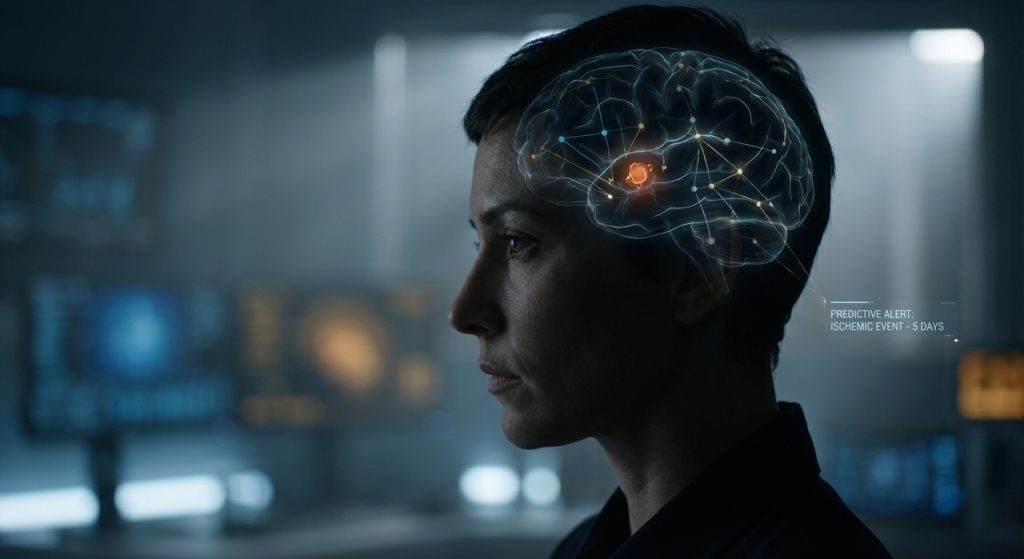
Artificial intelligence is revolutionizing healthcare. It’s now poised to predict strokes. This technology can identify strokes days before they occur. This offers a critical window for intervention. Early detection saves lives and reduces disability. Cardiologists and elderly care providers need to understand this advancement. It promises a new era in preventative cardiology.
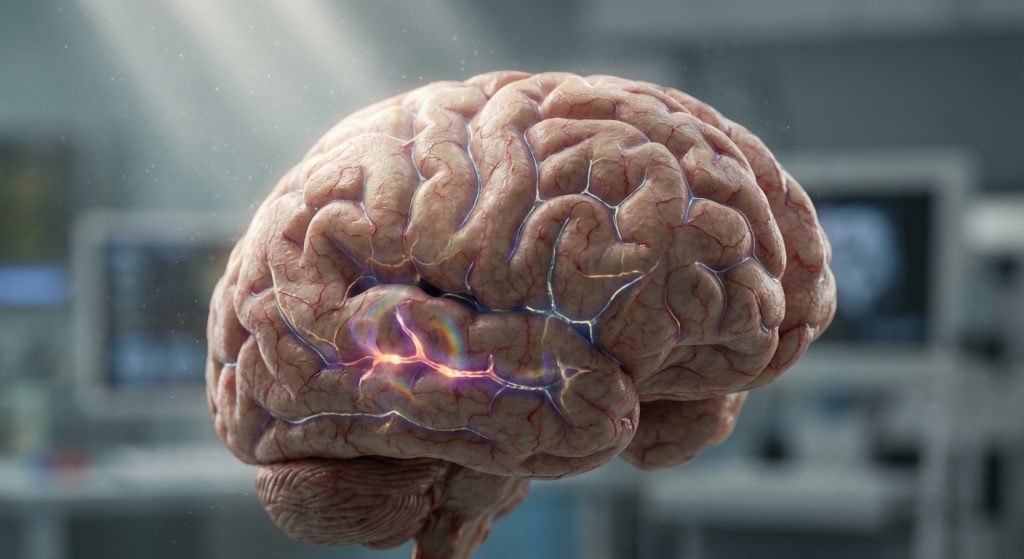
The Silent Threat of Stroke
Strokes are a leading cause of death and disability. They happen suddenly. Blood flow to the brain is interrupted. This can be due to a blockage or a rupture. Time is brain. Every minute counts after a stroke begins. However, current detection methods often rely on symptoms appearing. This means the damage may already be significant.
Elderly individuals are particularly vulnerable. Their bodies may show fewer obvious warning signs. This makes predictive technology even more vital. It can bridge the gap between a potential event and its onset. For cardiologists, understanding stroke risk factors is paramount. AI can now enhance this understanding dramatically.
How AI Spots Strokes Early
AI algorithms analyze vast amounts of patient data. This includes medical history, lifestyle factors, and even subtle physiological changes. These changes might be invisible to the human eye. For example, AI can monitor heart rate variability patterns. It can also detect minute shifts in blood pressure trends. Furthermore, it can analyze gait or speech patterns for subtle neurological changes.
These complex datasets are processed rapidly. AI identifies correlations and anomalies. It flags individuals at high risk. This allows for proactive measures. Doctors can then intervene before a stroke occurs. This is a significant leap from reactive care. It shifts the focus to prevention. This technology also aids in understanding the intricate link between heart health and neurological events. For instance, read about heart health over 40, as it often intersects with stroke risk.
Key Data Points AI Analyzes:
- Electrocardiogram (ECG) data for arrhythmias.
- Blood pressure and heart rate trends over time.
- Patient-reported symptoms and their frequency.
- Genetic predispositions and family history.
- Results from imaging scans like MRIs and CTs.
- Lifestyle factors such as diet and exercise.
The Role of Machine Learning
Machine learning is the engine behind this predictive power. Algorithms learn from historical stroke data. They identify patterns that precede a stroke. These patterns can be incredibly subtle. For instance, a slight change in sleep patterns might be an early indicator. Or a new, subtle tremor could be detected. AI can correlate these with other risk factors.
As more data is fed into the system, its accuracy improves. It becomes better at distinguishing true risk from noise. This continuous learning is crucial. It ensures the AI stays relevant and effective. This technology is akin to how AI is revolutionizing other fields, such as AI in drug discovery, where vast datasets are analyzed for breakthrough insights.
Benefits for Cardiologists and Elderly Care
For cardiologists, this AI offers a powerful new tool. It helps them identify patients at higher stroke risk. This allows for more targeted interventions. They can adjust medications or recommend lifestyle changes. This proactive approach can prevent devastating events.
Elderly care providers gain a significant advantage. They can monitor their residents more effectively. Early warnings mean faster response times. It also allows for better planning of care. Families can be informed sooner. This reduces anxiety and improves outcomes. Furthermore, it helps manage the complex interplay of conditions common in older adults. The science of circadian rhythms, for example, is vital for elderly well-being and can be monitored by such AI systems.
Specific Advantages:
- Proactive Intervention: Allows treatment before a stroke occurs.
- Reduced Hospitalizations: Prevents severe stroke-related emergencies.
- Improved Patient Outcomes: Minimizes long-term disability.
- Enhanced Resource Allocation: Focuses medical resources where most needed.
- Personalized Care Plans: Tailors interventions to individual risk profiles.
Challenges and Ethical Considerations
Despite its promise, challenges remain. Data privacy is a major concern. Patient data must be handled securely. Algorithms must be unbiased. They need to work equally well for all demographics. False positives can cause unnecessary anxiety. False negatives can lead to missed opportunities. Therefore, rigorous validation is essential.
Ethical discussions are also critical. Who is responsible if the AI misses a stroke? How is patient consent managed? Transparency in AI decision-making is important. Doctors need to understand how the AI reaches its conclusions. This builds trust. It ensures the technology serves humanity ethically. The development of ethical AI is crucial for all healthcare applications.
The Future of Predictive Heart Health
This AI technology is just the beginning. Future systems will likely integrate even more data sources. This could include wearable sensors providing real-time physiological data. It might also incorporate environmental factors. AI could predict other cardiovascular events. This includes heart attacks and arrhythmias. The goal is a truly preventative healthcare system.
Cardiologists will become increasingly integrated with AI. They will use it as a co-pilot. This collaboration will enhance their diagnostic and therapeutic capabilities. Elderly care will also be transformed. It will move from reactive care to predictive wellness. This promises a healthier future for all. The potential for AI in personalized healthcare is vast.
Frequently Asked Questions
How accurate is AI in predicting strokes?
Current AI models are showing high accuracy rates in identifying individuals at elevated risk. However, accuracy is continuously improving as more data is analyzed and algorithms are refined. It’s important to remember that AI provides risk assessments, not definitive diagnoses.
Can this AI replace human doctors?
No, AI is designed to augment, not replace, human medical professionals. Doctors provide the crucial human element of empathy, complex decision-making, and patient interaction. AI serves as a powerful tool to enhance their capabilities.
What kind of data does the AI use?
The AI uses a wide range of data, including electronic health records, genetic information, lifestyle data from wearables, and potentially even environmental factors. The specific data depends on the AI model and its intended application.
Is this technology available in hospitals now?
This technology is in various stages of development and deployment. Some advanced AI tools are already being piloted or used in select healthcare settings. Widespread adoption is expected to grow significantly in the coming years.
Conclusion
Predictive heart health powered by AI represents a paradigm shift. The ability to spot a stroke days before it happens is groundbreaking. It offers unprecedented opportunities for prevention. Cardiologists and elderly care providers stand to benefit immensely. While challenges exist, the trajectory is clear. AI will play an increasingly vital role in safeguarding cardiovascular and neurological health. This technology promises a future where strokes are not just treated, but proactively prevented.
