
Blue Light: Your Retina’s 24/7 Digital Age Battle
Published on February 6, 2026 by Admin
Our world is brighter than ever, quite literally. We live in a 24/7 digital age. Screens are everywhere. Smartphones, tablets, computers, and TVs fill our lives. These devices emit blue light. This light poses a significant challenge. It directly impacts our vision. Protecting your retina is crucial. Therefore, understanding blue light is essential.
The Pervasive Nature of Blue Light
Blue light is a part of the visible light spectrum. It has a short wavelength. This means it has high energy. Sunlight is the primary source of blue light. However, artificial sources are increasing. Digital screens are a major contributor. They are often used for extended periods. This constant exposure is new. Our eyes are not fully adapted to it. So, what are the consequences?
Understanding the Retina’s Role
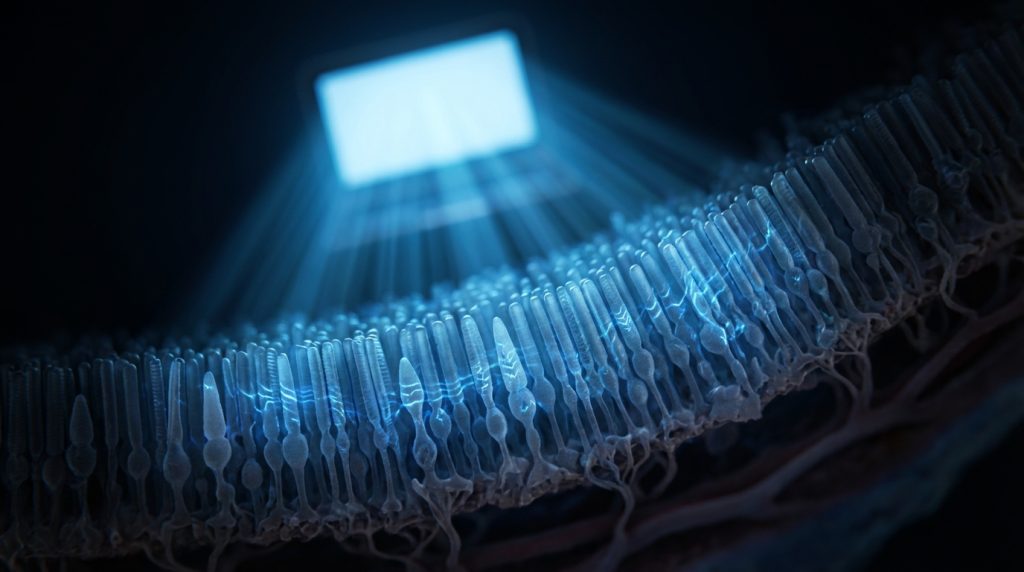
The retina is at the back of your eye. It is a light-sensitive tissue. It converts light into neural signals. These signals travel to the brain. The brain then interprets them as images. The retina contains photoreceptor cells. These are rods and cones. They are vulnerable to damage. Blue light’s high energy is a concern. It can potentially harm these cells over time. Specifically, it can affect the macula. This is the central part of the retina. It is responsible for sharp, central vision.
How Blue Light Affects Your Eyes
The impact of blue light is multifaceted. It’s not just about retinal damage. It also affects our sleep patterns. Furthermore, it can cause digital eye strain. Let’s break these down.
Digital Eye Strain: A Common Complaint
Prolonged screen time leads to digital eye strain. Symptoms include dry eyes, headaches, and blurred vision. This is often called Computer Vision Syndrome. Blue light can exacerbate these issues. Its high energy can cause light scattering. This reduces contrast. It can also lead to increased blinking. This, in turn, dries out the eyes. Many IT workers experience this daily. They spend hours in front of screens. Therefore, taking breaks is vital. Regular eye exams are also important.
Disrupting Sleep Cycles
Blue light significantly affects our circadian rhythm. This is our body’s natural sleep-wake cycle. Exposure to blue light, especially at night, suppresses melatonin production. Melatonin is a hormone that signals sleep. When this hormone is suppressed, it’s harder to fall asleep. This disruption can lead to poor sleep quality. In the long run, chronic sleep deprivation has serious health consequences. It can affect mood, cognitive function, and overall health. This is a critical concern for everyone in the digital age.
The Retina at Risk: Long-Term Concerns
While immediate symptoms like eye strain are common, there are deeper concerns. The retina’s delicate cells are at risk. Prolonged exposure to high-energy blue light may contribute to age-related macular degeneration (AMD). AMD is a leading cause of vision loss. It affects the macula. Research is ongoing. However, the potential for damage is a serious consideration. Ophthalmologists are increasingly aware of this. They often advise patients on protective measures. This is especially true for those with a history of retinal diseases. Protecting your retina is a lifelong commitment.
Protecting Your Vision: Practical Strategies
Fortunately, there are many ways to mitigate the effects of blue light. These strategies are practical. They can be easily integrated into daily life. Both ophthalmologists and IT professionals can benefit from these. Here are some key recommendations:
1. The 20-20-20 Rule
This is a simple yet effective technique. Every 20 minutes, look at something 20 feet away. Do this for at least 20 seconds. This helps relax your eye muscles. It reduces strain. It is a fundamental practice for screen users. Therefore, make it a habit.
2. Blue Light Filtering Glasses
These glasses are designed to block a significant portion of blue light. They are widely available. Many styles exist. They can be worn during screen use. This provides a direct barrier. Some people find them very helpful. They can reduce eye strain and improve sleep quality. You can find prescription and non-prescription options. Consult your ophthalmologist for recommendations.
3. Adjust Screen Settings
Most devices have built-in features. These can reduce blue light emission. “Night Shift” or “Night Light” modes are common. They adjust the screen’s color temperature. They make it warmer. This is especially beneficial in the evening. Moreover, reducing screen brightness can help. It lessens overall eye strain. Lowering contrast can also be beneficial. It makes the screen easier to view.
4. Take Regular Breaks
Step away from your screen frequently. Get up and move around. Give your eyes a rest. This is crucial for IT workers. It helps prevent digital eye strain. It also improves overall well-being. Consider setting reminders for breaks. This ensures you don’t forget.
5. Optimize Your Workspace Ergonomics
Proper posture is important. Ensure your screen is at eye level. The distance should be about an arm’s length. This reduces neck and eye strain. Good lighting is also key. Avoid glare on your screen. This can be done with anti-glare screen protectors. These adjustments create a more comfortable viewing experience. You can find more on ergonomic secrets for office workers.
6. Limit Evening Screen Time
This is perhaps the most impactful strategy for sleep. Try to avoid screens for at least an hour before bed. If you must use a screen, use blue light filters. This is essential for good sleep hygiene. A good night’s sleep is vital for overall health. It also aids in retinal repair and function.
The Ophthalmologist’s Perspective
Ophthalmologists are on the front lines of eye health. They see the effects of modern digital habits daily. They emphasize a proactive approach. This includes regular eye check-ups. It also involves educating patients. Patients need to understand the risks. They need to implement protective measures. They may recommend specific eye drops for dryness. They can also advise on the best blue light filtering solutions. Some may even suggest specific dietary changes. For instance, foods rich in antioxidants can support retinal health. You can learn more about anti-inflammatory food groups.
The IT Professional’s Dilemma
IT workers are particularly vulnerable. Their jobs demand extensive screen time. The nature of their work often requires intense focus. This can lead to neglecting breaks. The constant problem-solving and coding can be mentally taxing. Therefore, they must be extra vigilant. Implementing the strategies above is not optional. It’s a necessity for their career longevity and health. Furthermore, understanding the impact of blue light can empower them. They can advocate for better workstation setups. They can also educate their colleagues.
Beyond Blue Light: Holistic Eye Health
While blue light is a significant concern, it’s not the only factor. Holistic eye health is crucial. This involves several aspects:
- Nutrition: A diet rich in vitamins A, C, E, and zinc is beneficial. Lutein and zeaxanthin are also important. These nutrients support retinal health.
- Hydration: Staying hydrated is vital for overall health. It also helps prevent dry eyes.
- Exercise: Regular physical activity improves blood circulation. This benefits the eyes.
- Eye Protection: Wearing sunglasses outdoors is important. They protect against UV rays.
- Sleep: Adequate sleep allows eyes to rest and repair.
Indeed, a comprehensive approach to wellness benefits your eyes. You can explore hydration science for brain power and its link to overall health.
Conclusion: Navigating the Digital Landscape Safely
The digital age offers incredible opportunities. However, it also presents new challenges. Blue light is one such challenge. It impacts our sleep and eye health. Protecting your retina requires awareness and action. By implementing simple strategies, you can safeguard your vision. This is vital for maintaining quality of life. Both ophthalmologists and IT professionals play key roles. They educate and advocate for eye health. Therefore, let’s embrace technology wisely. Protect your eyes. Your retina will thank you for it.
Frequently Asked Questions (FAQ)
Is all blue light bad for my eyes?
No, not all blue light is bad. Natural blue light from the sun is beneficial. It helps regulate our sleep-wake cycle. The concern is excessive exposure to artificial blue light, especially from screens at night.
Can blue light cause permanent eye damage?
While direct permanent damage from typical screen use is not definitively proven, prolonged high-energy blue light exposure is a concern for retinal health. It may contribute to conditions like AMD over time. More research is ongoing.
Are blue light blocking glasses effective for everyone?
Many users report significant relief from eye strain and improved sleep. However, effectiveness can vary. It’s best to consult with an ophthalmologist to find the right solution for your needs.
What are the early signs of retinal damage?
Early signs can include blurred vision, difficulty seeing in low light, and seeing floaters or flashes. If you notice any changes in your vision, consult an ophthalmologist immediately.
Can diet help protect my retina?
Yes, absolutely. A diet rich in antioxidants, lutein, zeaxanthin, and omega-3 fatty acids can support retinal health. Foods like leafy greens, fish, and colorful fruits and vegetables are beneficial. Learn more about anti-inflammatory foods.
