
Drones Deliver Hope: The “Golden Hour” Tech in Vietnam
Published on February 6, 2026 by Admin
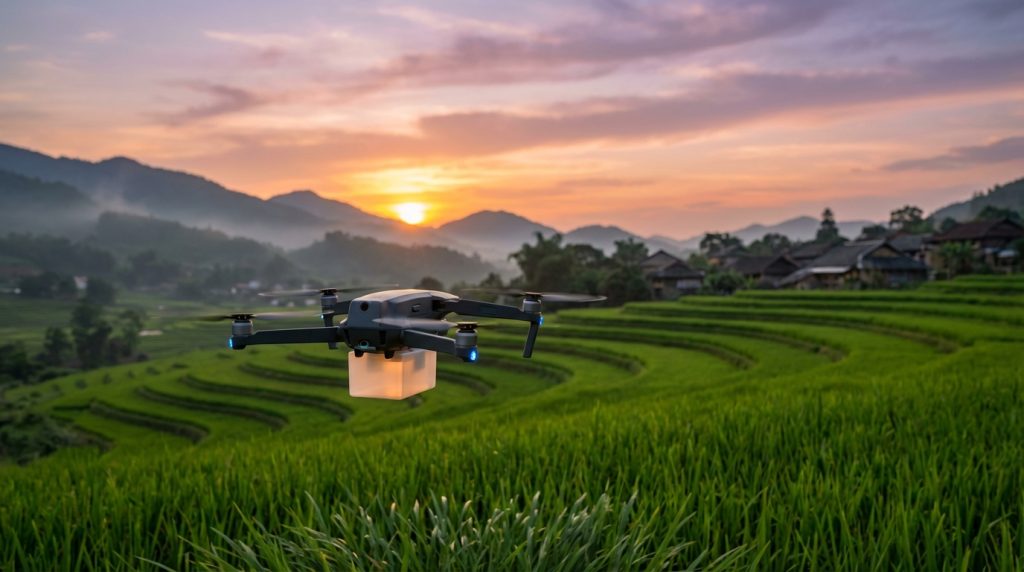
Emergencies demand speed. Every second counts. This is especially true for cardiac arrest. The first few minutes are critical. This period is known as the “golden hour”. Advanced technology is now transforming emergency response. Drones are playing a vital role. Specifically, drone-delivered defibrillators are a game-changer. This technology is making a significant impact in Vietnam.
The Criticality of the “Golden Hour”
Sudden cardiac arrest is a major cause of death worldwide. When the heart stops beating, blood flow ceases. This deprives the brain and other organs of oxygen. Without immediate intervention, brain damage can occur within minutes. Survival rates drop dramatically with each passing minute. Therefore, rapid defibrillation is absolutely essential. An automated external defibrillator (AED) can restart the heart. Getting an AED to the patient quickly is the biggest challenge.
Traditional emergency services face limitations. Ambulances may be delayed by traffic. They may also be far from the scene. This delay can be fatal. The “golden hour” refers to this critical time window. It emphasizes the urgency of medical intervention. Reaching a patient within this hour greatly increases their chances of survival. It also reduces the risk of long-term disability.
Introducing Drone-Delivered Defibrillators
Drones offer a revolutionary solution. They can bypass traffic and obstacles. They can reach a cardiac arrest victim much faster. This is where drone-delivered defibrillators come in. These are not just drones carrying AEDs. They are part of an integrated system. This system connects emergency dispatch with advanced aerial capabilities.
When a cardiac arrest is reported, emergency services can deploy a drone. The drone carries a compact AED. It flies directly to the reported location. This significantly reduces the response time. The drone can often arrive before an ambulance. This is a crucial advantage. It means life-saving treatment can begin sooner. The drone operator can even guide a bystander on how to use the AED. This is a vital step in saving lives.
How the System Works in Vietnam
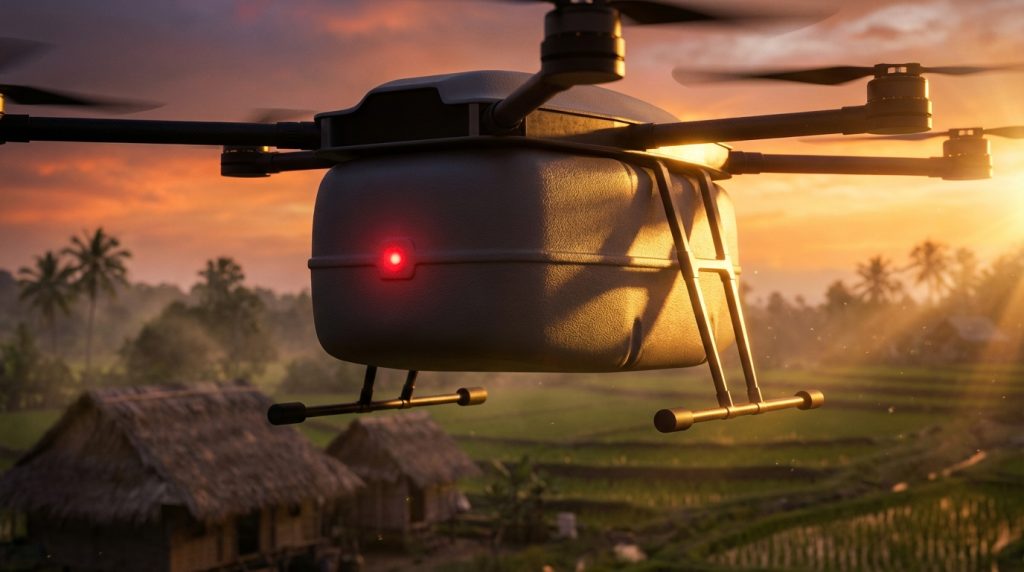
The implementation of drone-delivered defibrillators in Vietnam is a cutting-edge development. It involves several key components. Firstly, there is the emergency call center. Dispatchers are trained to identify potential cardiac arrest situations. They can then activate the drone system. Secondly, there are the drones themselves. These are specialized unmanned aerial vehicles (UAVs). They are equipped to carry AEDs safely and efficiently. They are also designed for stable flight and accurate landing.
Thirdly, the AEDs are miniaturized. They are lightweight and easy for bystanders to use. Clear instructions are usually integrated. Finally, there is the network of trained personnel. This includes drone pilots and emergency responders. They work together seamlessly. This coordinated effort is key to success. The system aims to create a network of rapid response points.
The Technology Behind the Drones
These drones are not typical consumer models. They are built for precision and reliability. Many are equipped with advanced GPS. This ensures accurate navigation. They also have obstacle avoidance sensors. This is crucial for safe flight in urban environments. The drones are often battery-powered. This makes them quiet and environmentally friendly. They can fly at high speeds. This allows them to cover significant distances quickly.
The payload system is also sophisticated. It safely secures the AED. It can release the AED precisely at the target location. Some systems even allow for remote operation. This means a pilot can control the drone from a distance. This expands the reach of the service. The integration with emergency communication systems is also vital. This allows for real-time updates and coordination.
The Role of Bystanders
Drone-delivered defibrillators empower bystanders. When a drone arrives, a trained bystander can retrieve the AED. They can then follow the device’s instructions. CPR (cardiopulmonary resuscitation) can also be initiated. This is a critical step. Drone operators can provide remote guidance. They can instruct bystanders on how to perform CPR effectively. They can also guide them on AED usage. This human element is incredibly important.
The drone serves as a mobile medical unit. It brings the life-saving equipment directly to the patient. Bystanders are the crucial link. Their willingness to act can make a huge difference. Training programs for the public are also important. This ensures that more people can respond effectively. This technology complements, rather than replaces, traditional emergency services. It fills a critical gap in the initial response phase.
Benefits for Vietnam’s Emergency Services
Vietnam faces unique challenges. Its rapidly growing cities can have heavy traffic. Rural areas may have limited access to emergency medical facilities. Drone technology offers solutions to both. For urban areas, drones can fly over congested streets. This drastically cuts down response times. For rural areas, drones can reach remote locations quickly. They can provide immediate aid where ambulances might struggle.
This technology can also improve the efficiency of existing services. By delivering AEDs rapidly, drones can stabilize patients. This gives paramedics more time to arrive. It also increases the chances of a positive outcome. Ultimately, this technology saves lives. It represents a significant advancement in public health infrastructure. It shows Vietnam’s commitment to embracing innovation for citizen well-being. This aligns with broader efforts to enhance healthcare access and quality across the nation. You can explore how technology is improving various aspects of health in Vietnam, such as in raising awareness in rural areas.
Challenges and Future Outlook
Despite the immense potential, challenges remain. Regulatory frameworks need to be robust. Drone operations in populated areas require strict safety protocols. Weather conditions can also impact drone deployment. Battery life is another consideration. Ensuring widespread availability and maintenance of these systems is also crucial. The cost of implementation can be substantial. Training personnel is also an ongoing requirement. However, the potential to save lives outweighs these challenges.
The future looks promising. As drone technology advances, so will its applications. We can expect more sophisticated drones. These might carry advanced medical supplies. They could also be used for remote diagnostics. Integration with AI could further enhance response times. The “golden hour” concept is being redefined. Technology is making it more attainable. This innovation is a testament to human ingenuity. It offers hope for improved emergency care. It is a vital step towards a safer future.
Frequently Asked Questions (FAQ)
What is the “golden hour” in emergency medicine?
The “golden hour” refers to the critical period immediately following a traumatic injury or medical emergency, such as cardiac arrest. It is the time during which prompt medical treatment has the greatest likelihood of preventing death or serious disability.
How do drone-delivered defibrillators work?
When an emergency is reported, a specialized drone carrying an AED is dispatched. It flies to the scene, often arriving before an ambulance. A bystander can then retrieve the AED and use it, guided by the device or remote operators, to potentially restart the patient’s heart.
Can drones replace ambulances?
No, drones are not intended to replace ambulances. They are designed to supplement emergency services. They provide rapid delivery of life-saving equipment like AEDs during the critical initial minutes of an emergency, while ambulances provide transport and comprehensive medical care.
What are the main benefits of using drones for emergency response in Vietnam?
Drones can significantly reduce response times, especially in areas with heavy traffic or difficult terrain. They can deliver vital medical equipment like AEDs quickly, increasing survival rates for conditions like cardiac arrest. This is particularly beneficial for Vietnam’s urban and rural landscapes.
Are there any risks associated with drone delivery of medical equipment?
Potential risks include operational challenges like adverse weather conditions, the need for strict safety regulations to prevent accidents, and the requirement for trained personnel to operate the drones and assist bystanders. Cybersecurity of the drones and communication systems is also a concern.
Conclusion
The integration of drone-delivered defibrillators in Vietnam marks a significant leap forward. It addresses the critical time constraints of the “golden hour”. By leveraging advanced technology, Vietnam is enhancing its emergency response capabilities. This innovation has the potential to save countless lives. It also highlights the country’s commitment to adopting modern solutions for public health. As this technology evolves, its impact will only grow. It offers a beacon of hope for faster, more effective emergency care.
