
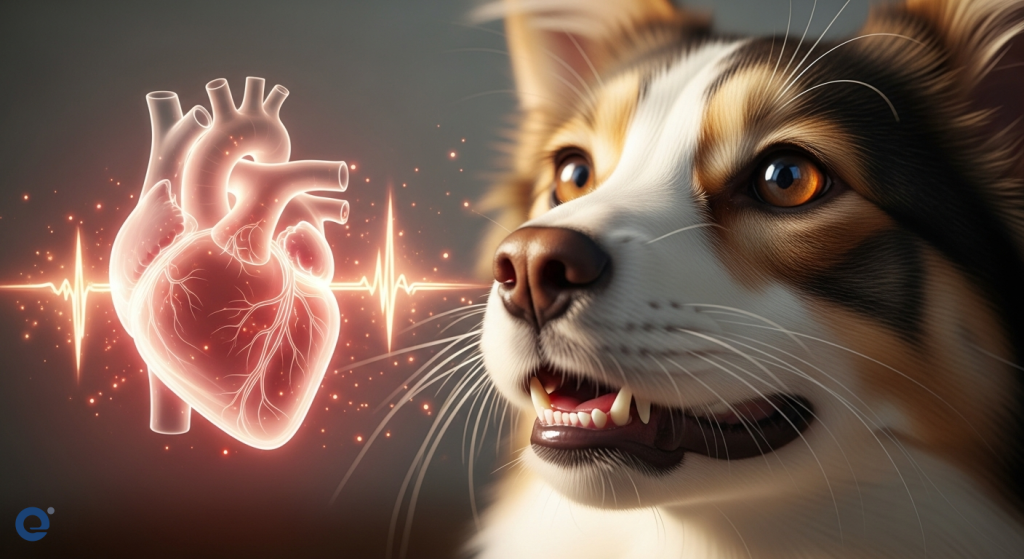
Many pet owners focus on their pet’s diet and exercise. However, one crucial aspect of overall well-being is often overlooked: dental health. It might seem surprising, but your pet’s oral hygiene is intricately linked to their cardiovascular health. Poor dental care can lead to serious systemic issues, impacting the heart significantly. Therefore, understanding this connection is vital for ensuring your furry friend lives a long and healthy life.
The Silent Invasion: Bacteria’s Path to the Heart
Plaque and tartar are not just unsightly. They are breeding grounds for bacteria. When dental disease progresses, gums become inflamed and can bleed. This inflammation creates an open pathway for bacteria to enter the bloodstream. Once in circulation, these harmful microbes can travel throughout the body.
Specifically, these bacteria can reach the heart. They can then infect the heart’s inner lining and valves. This serious condition is known as bacterial endocarditis. Regular dental cleanings are essential for preventing this dangerous spread. They help remove the plaque and tartar, thus minimizing the bacterial load in your pet’s mouth.
This process highlights how a seemingly minor oral issue can escalate into a life-threatening cardiac problem. It underscores the importance of proactive dental care for your pet’s systemic health. The link between oral bacteria and heart infections is well-documented in veterinary medicine. Studies have shown a clear connection between dental infections and heart disease in pets, particularly conditions like endocarditis.
Inflammation: The Body’s Double-Edged Sword
Gum disease, also known as periodontal disease, is a chronic inflammatory condition. This oral inflammation doesn’t stay confined to the mouth. It can trigger and exacerbate systemic inflammation throughout the entire body. Chronic inflammation is a known contributor to the development of various chronic diseases, including heart disease.
When your pet’s body is constantly fighting inflammation originating from their mouth, it places a significant burden on their systems. This includes the cardiovascular system. Reducing oral inflammation is therefore a direct way to lower the risk of heart disease. Keeping your pet’s teeth clean is a proactive measure against this widespread inflammation.
Furthermore, inflammation plays a role in many chronic conditions. For instance, chronic inflammation is the root cause of many modern diseases. By addressing dental health, you are effectively combating a significant source of this systemic inflammation.
High Blood Pressure: A Hidden Strain on the Heart
There is a notable link between poor oral health and hypertension, or high blood pressure, in pets. Untreated dental infections can lead to persistent inflammation. This inflammation, in turn, can cause blood pressure to rise. High blood pressure puts extra strain on the heart and other vital organs, like the kidneys and liver.
Over time, this sustained pressure can weaken the heart muscle and damage blood vessels. Good oral hygiene, therefore, is a critical preventive measure. It helps maintain healthy blood pressure levels, reducing the risk of cardiac complications. Regular veterinary check-ups can include blood pressure monitoring, which, combined with dental care, offers a comprehensive approach to cardiovascular health.
Pain and Stress: The Emotional Toll on the Cardiovascular System
Dental disease is inherently painful for pets. Chronic pain can lead to significant stress. This stress, in turn, negatively impacts heart health. When pets experience long-term discomfort, their bodies release stress hormones like cortisol. Elevated cortisol levels can disrupt heart rhythm and function.
Routine dental care ensures your pet remains comfortable. By alleviating dental pain, you reduce the physiological stress on their body. This leads to a calmer cardiovascular system. A comfortable pet is a healthier pet, and this comfort extends directly to their heart’s well-being. The mind-body connection is strong in animals, just as it is in humans. The mind-body link in chronic pain is a testament to this interconnectedness.
Circulation and Oxygenation: Fueling the Heart
Healthy gums and teeth are fundamental to good blood circulation. When oral infections are left untreated, they contribute to systemic inflammation. This inflammation can restrict blood flow throughout the body. Consequently, it becomes harder for the heart to efficiently pump oxygenated blood to all vital organs.
By maintaining oral health, you are promoting better circulation. This ensures that the heart receives adequate oxygen and can function optimally. Improved circulation benefits the entire body, but it is particularly critical for the heart, which relies on a constant supply of oxygenated blood to function effectively. This is why a thorough physical examination during routine vet check-ups includes assessing heart rate and rhythm, as well as blood pressure. The heart rate and rhythm, pulse, and blood pressure of your pet are all critical to his or her heart health.
The Vicious Cycle: How Dental Disease Affects Other Organs
The impact of poor dental health extends beyond the heart. As mentioned, bacteria can travel from the mouth to other vital organs. The kidneys and liver are particularly vulnerable. These organs are responsible for filtering waste products from the blood. Long-term exposure to bacteria can damage their filtering capabilities.
This can lead to serious organ dysfunction over time. Pets with pre-existing health conditions are at an even higher risk. Keeping the mouth clean reduces the overall burden on these filtering organs. It supports their ability to function effectively and contributes to better overall health. This highlights the systemic nature of health and how oral care is a foundational element.
Signs Your Pet May Need Dental Attention
Recognizing the signs of dental disease is the first step toward prevention. Many owners may not realize their pet is suffering from oral discomfort until it becomes severe. Therefore, vigilant observation is key. Common indicators include:
- Bad breath (halitosis)
- Red, swollen, or bleeding gums
- Difficulty eating or chewing
- Drooling excessively
- Pawing at the mouth or face
- Visible tartar buildup on teeth
- Loose or missing teeth
- Changes in eating habits or appetite
If you notice any of these symptoms, it is crucial to schedule a dental evaluation with your veterinarian. Early detection and treatment are paramount to preventing more serious health complications. Prompt intervention can save your pet from significant pain and prevent the progression of systemic disease.
Preventive Measures: Keeping Teeth and Hearts Healthy
Maintaining your pet’s dental health involves a multi-faceted approach. It requires a combination of professional care and at-home maintenance. Here are the key strategies:
Schedule Regular Professional Dental Cleanings
Professional cleanings are indispensable. They allow veterinarians to thoroughly remove plaque and tartar. This includes areas that are difficult to reach with brushing alone. These cleanings are often performed under anesthesia, ensuring a complete and safe procedure. Professional cleanings are typically recommended annually, or more frequently for pets prone to dental issues.
Brush Your Pet’s Teeth Daily
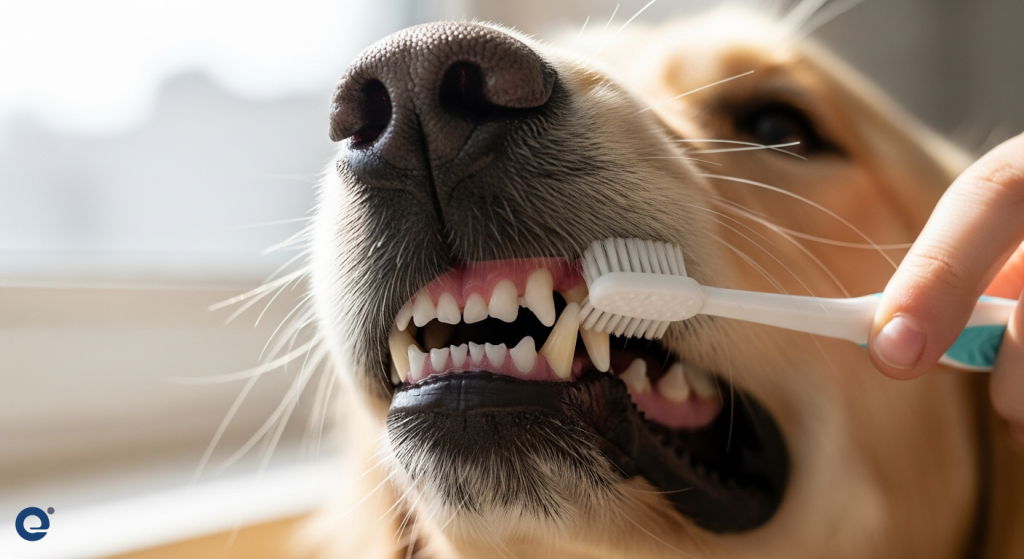
Daily brushing is the cornerstone of at-home dental care. Use a pet-specific toothbrush and toothpaste. Human toothpaste can be harmful to pets. Brushing helps remove plaque before it hardens into tartar. Consistency is key; aim for daily brushing to achieve the best results.
Provide Dental Chews and Toys
Chewing is a natural behavior for dogs and cats. Dental chews and toys can help reduce plaque buildup. They also stimulate saliva production, which aids in cleaning the mouth. Choose products approved by veterinary dental organizations for safety and effectiveness.
Monitor for Signs of Dental Disease
As mentioned earlier, be observant. Regularly check your pet’s mouth for any abnormalities. Pay attention to their breath and eating habits. Early detection of problems can make a significant difference in treatment outcomes.
Keep Up with Veterinary Check-Ups
Routine wellness exams are critical. During these visits, your veterinarian will perform a thorough physical examination. This includes checking your pet’s oral health. They can identify early signs of dental disease or other health issues before they become severe. Routine exams allow us to catch early signs of dental and heart disease before they become serious problems.
The Role of Veterinary Technicians
Veterinary technicians play a crucial role in educating pet owners about dental care. They assist veterinarians during dental procedures. They also provide valuable guidance on at-home care. Their expertise helps ensure that pets receive the best possible dental and overall health management. They are often the first point of contact for owners seeking advice on brushing techniques or product recommendations.
Conclusion: A Proactive Approach to Lifelong Health
The connection between your pet’s dental health and their cardiovascular well-being cannot be overstated. Poor oral hygiene can lead to serious infections, chronic inflammation, high blood pressure, and stress, all of which negatively impact the heart. By prioritizing routine dental care, you are not just ensuring fresh breath; you are taking a proactive step towards protecting your pet’s vital organs and promoting a longer, healthier life.
Regular professional cleanings, daily brushing, and consistent veterinary check-ups are essential components of a comprehensive health plan. Investing in your pet’s dental health is an investment in their overall quality of life and longevity. Therefore, make dental care a non-negotiable part of your pet’s wellness routine.
Frequently Asked Questions
How often should my pet have a professional dental cleaning?
The frequency of professional dental cleanings varies depending on your pet’s breed, age, and individual dental health. However, most veterinarians recommend annual dental cleanings. Some pets may require more frequent cleanings if they are prone to dental disease. Your veterinarian will advise on the best schedule for your pet.
Can I use human toothpaste on my pet?
No, you should never use human toothpaste on your pet. Human toothpaste often contains ingredients like fluoride and xylitol, which can be toxic if ingested by pets. Always use toothpaste specifically formulated for animals.
What are the early signs of heart disease in pets?
Early signs of heart disease in pets can be subtle and may include decreased energy, coughing, difficulty breathing, lethargy, and a reduced appetite. If you notice any changes in your pet’s behavior or physical condition, consult your veterinarian immediately. Managing stress and cholesterol are key aspects of maintaining heart health.
How does dental disease affect kidneys and liver?
Bacteria from untreated dental infections can enter the bloodstream and travel to the kidneys and liver. These organs filter the blood, and prolonged exposure to bacteria can lead to damage and impaired function over time. This is why maintaining oral hygiene is crucial for overall organ health.
Are dental chews a substitute for brushing?
Dental chews can be a helpful supplement to a good oral hygiene routine, but they are generally not a substitute for brushing. Brushing is the most effective way to remove plaque and prevent tartar buildup. Dental chews can help reduce some plaque and freshen breath, but they don’t clean as thoroughly as brushing.
Tips & Tricks to Prevent Dental Diseases in Pets #cat #dog #doglover #catlover #pet #veterinary
