
Reptile Ethics in Vietnam: Health Concerns for Exotic Pets
Published on February 6, 2026 by Admin
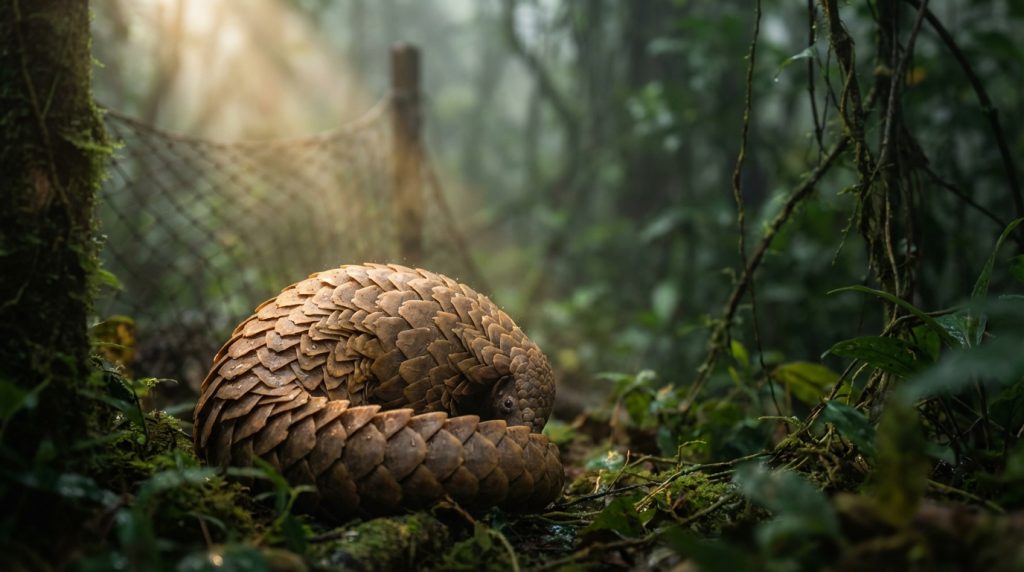
Keeping exotic pets, especially reptiles, is a growing trend. However, this practice raises significant ethical questions regarding animal welfare and health. This is particularly true in Vietnam, where regulations and understanding of exotic pet needs can vary. Therefore, it is crucial to explore the health ethics involved.
Many people are drawn to reptiles for their unique appearance and perceived low maintenance. However, this perception is often inaccurate. Reptiles have complex needs. Meeting these needs is essential for their well-being. This article will delve into the ethical considerations surrounding reptile ownership in Vietnam.
Understanding the Needs of Reptiles
Firstly, it is vital to understand that reptiles are not typical pets. They require specific environments. These environments mimic their natural habitats. This includes precise temperature gradients. Humidity levels are also critical. Furthermore, their diets are often specialized. They may need live insects or specific vitamin supplements.
Temperature and Humidity Demands
For example, many popular pet reptiles, like bearded dragons, need a basking spot of around 35-40°C. They also need a cooler zone around 25-30°C. Without these gradients, they cannot regulate their body temperature. This can lead to serious health issues. Similarly, many snake species require high humidity. Insufficient humidity can cause shedding problems. It can also lead to respiratory infections.
Dietary Requirements and Deficiencies
Moreover, a reptile’s diet is paramount. A diet lacking essential nutrients can cause severe problems. Calcium deficiency is common. It can lead to metabolic bone disease. This is a painful and often fatal condition. For instance, many insectivores require calcium dust. They also need vitamin D3 supplements. Without these, their bones become brittle. Their organs can also be affected.
Consequently, owners must research each species thoroughly. They must provide an appropriate diet. This is not always easy to source. It requires dedication and knowledge. Simply feeding a reptile any food is irresponsible. It directly impacts their health and longevity.
Common Health Issues in Captive Reptiles
Because of their specialized needs, captive reptiles are prone to specific health problems. These issues often stem from improper husbandry. They can also arise from stress. Understanding these common ailments is key for responsible ownership.
Metabolic Bone Disease (MBD)
As mentioned, MBD is a significant concern. It is caused by an imbalance of calcium, phosphorus, and vitamin D3. Without adequate UVB lighting and proper supplementation, reptiles cannot metabolize calcium. This leads to weak, deformed bones. It can also affect muscle and nerve function. Early signs include lethargy and reluctance to move. In severe cases, it can be fatal.
Respiratory Infections
Incorrect temperature or humidity levels often trigger respiratory issues. Reptiles are ectothermic. They rely on external heat sources. When temperatures are too low, their immune systems weaken. This makes them susceptible to bacterial infections. Symptoms include wheezing, gaping, and discharge from the nose or mouth. Prompt veterinary care is essential.
Shedding Problems (Dysecdysis)
Shedding is a natural process for reptiles. However, improper humidity can cause shedding problems. This is known as dysecdysis. Stuck shed can occur on limbs, tails, or eyes. This can restrict blood flow. It can also lead to secondary infections. Owners must ensure correct humidity. They may need to assist with shedding if issues arise.
Parasitic Infestations
Reptiles often carry internal and external parasites. These can be exacerbated by stress and poor health. Common internal parasites include worms. External parasites can include mites and ticks. Symptoms vary. They can range from weight loss to visible parasites on the skin. Regular fecal checks are recommended.
Ethical Considerations for Exotic Pet Trade in Vietnam
The exotic pet trade in Vietnam, like elsewhere, presents a complex ethical landscape. This trade often involves wild-caught animals. This raises concerns about sustainability and animal welfare.
Wild-Caught vs. Captive-Bred
Firstly, many reptiles sold as pets are wild-caught. This practice depletes wild populations. It also causes immense stress and injury during capture and transport. Animals suffer greatly before even reaching a pet store. Therefore, prioritizing captive-bred reptiles is crucial for ethical sourcing.
However, even captive-bred animals can suffer if their needs are not met. The ethics extend to the entire lifecycle of the pet. This includes its breeding, transport, sale, and eventual care.
The “One Health” Approach
Furthermore, the exotic pet trade can pose risks to human health. This relates to the concept of “One Health.” This approach recognizes the interconnectedness of human, animal, and environmental health. Reptiles can carry zoonotic diseases. These are diseases transmissible to humans.
Salmonella is a well-known example. Many reptiles are carriers. Improper handling can lead to human infections. This highlights the importance of hygiene. It also underscores the responsibility of owners to understand these risks. This is particularly relevant when considering public spaces and children’s interactions with these animals.
Legal and Regulatory Landscape in Vietnam
The legal framework surrounding exotic pet ownership in Vietnam is still developing. This can create challenges for enforcement and consumer awareness.
Current Regulations and Enforcement
Currently, Vietnam has laws protecting endangered wildlife. However, regulations specifically addressing the pet trade for common exotic species can be less clear. Enforcement can also be inconsistent. This leaves a gap where animal welfare might be compromised.
For example, while some species are protected, others might be traded with less oversight. This can lead to a black market. It also makes it difficult for consumers to know if they are purchasing animals legally and ethically.
The Role of Animal Welfare Organizations
Animal welfare groups play a vital role. They advocate for stronger regulations. They also work to educate the public. Raising awareness about the specific needs of reptiles is paramount. This helps prevent impulse purchases. It encourages responsible ownership.
These organizations often work to rescue abandoned or mistreated reptiles. They provide rehabilitation and rehoming services. Their efforts are crucial in mitigating the negative impacts of the exotic pet trade.
Responsible Exotic Pet Ownership
For hobbyists and animal welfare groups alike, responsible ownership is paramount. It requires commitment, research, and a genuine understanding of the animal’s needs.
Research Before Acquisition
Firstly, thorough research is non-negotiable. Before acquiring any reptile, potential owners must understand its specific requirements. This includes its natural habitat, diet, temperature, humidity, and social needs. It is also important to consider the lifespan of the animal. Some reptiles can live for decades.
Providing Appropriate Housing and Care
Secondly, providing appropriate housing is critical. This means creating a suitable enclosure. It must replicate the reptile’s natural environment as closely as possible. This includes specialized lighting for UVB exposure. It also requires proper heating and humidity control. Regular cleaning and maintenance are also essential.
Seeking Qualified Veterinary Care
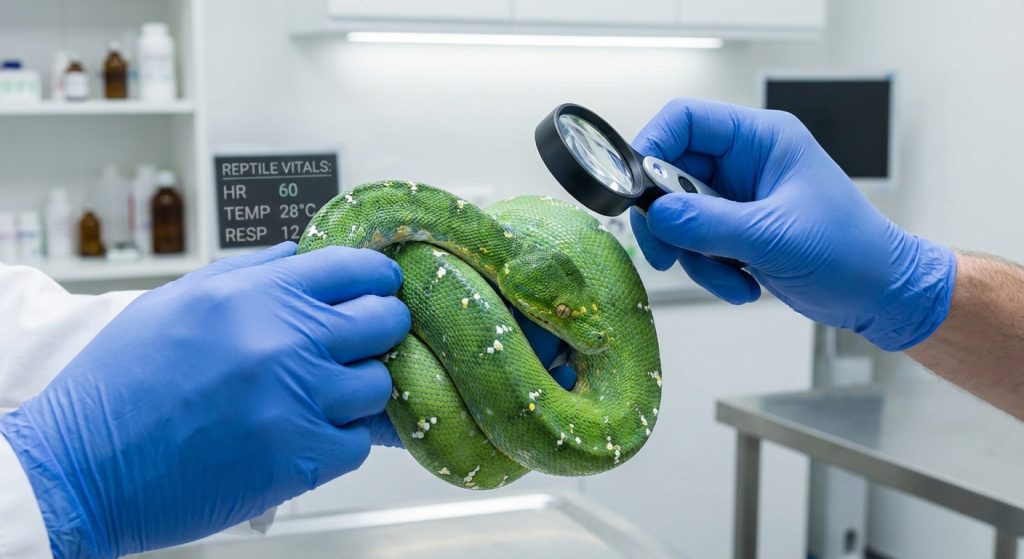
Moreover, finding a veterinarian experienced with exotic animals is crucial. Not all veterinarians have the specialized knowledge. Reptiles have unique physiology. They require specific diagnostic and treatment approaches. Regular check-ups can help prevent serious health issues. They can also catch problems early.
For instance, issues like advanced vet surgery might be necessary for exotic pets, requiring specialists. Therefore, knowing a qualified vet beforehand is vital.
Challenges and Solutions for the Future
The ethical challenges of keeping reptiles in Vietnam are complex. However, with concerted effort, solutions can be found.
Education and Awareness Campaigns
Firstly, comprehensive education is key. Awareness campaigns can highlight the specific needs of reptiles. They can also debunk myths about their care. Targeting both potential owners and the general public is important. This can be done through online resources, workshops, and media outreach.
Promoting Captive Breeding and Ethical Sourcing
Secondly, promoting captive-bred reptiles is essential. This reduces pressure on wild populations. It also ensures animals are more accustomed to captive environments. Retailers and breeders should be encouraged to adopt ethical practices. Transparency in sourcing is vital.
Strengthening Regulations and Enforcement
Furthermore, stronger regulations are needed. This includes clear guidelines for the trade of exotic pets. It also requires effective enforcement mechanisms. Collaboration between government agencies and animal welfare organizations can help achieve this. Stricter penalties for illegal trade and animal neglect are also necessary.
Supporting Rescue and Rehabilitation Efforts
Finally, supporting reptile rescue and rehabilitation centers is important. These organizations provide a lifeline for animals that are abandoned or confiscated. They offer care and rehoming. Increased funding and volunteer support can expand their capacity to help more animals.
Frequently Asked Questions (FAQ)
What are the biggest ethical concerns with keeping reptiles as pets in Vietnam?
The biggest concerns include the potential for inadequate care due to specialized needs, the impact of the exotic pet trade on wild populations, and the risk of zoonotic disease transmission. Many reptiles require specific temperatures, humidity, and diets that are difficult to replicate in a typical home environment.
Is it legal to own reptiles in Vietnam?
Legality can vary depending on the species. While some species are protected under wildlife laws, others may be traded with less stringent regulations. It is crucial to research the specific species and current Vietnamese laws regarding exotic pet ownership.
How can I ensure my reptile pet is healthy?
Ensure you provide the correct habitat (temperature, humidity, lighting), a species-appropriate diet with necessary supplements, and regular veterinary check-ups with an exotic animal specialist. Observe your pet daily for any changes in behavior or appearance.
What is metabolic bone disease in reptiles?
Metabolic bone disease (MBD) is a condition caused by an imbalance of calcium, phosphorus, and vitamin D3, often due to insufficient UVB lighting or improper supplementation. It leads to weak, deformed bones and can affect muscle and nerve function, potentially being fatal if untreated.
Where can I find help if my reptile becomes ill or is rescued?
Look for veterinarians specializing in exotic animals. For rescued reptiles, contact local animal welfare organizations or reptile rescue groups in Vietnam. They can provide guidance, care, and potential rehoming opportunities.
Conclusion
In conclusion, the practice of keeping reptiles as exotic pets in Vietnam carries significant ethical weight. It demands a deep understanding of their unique needs. It also requires a commitment to providing optimal care. Hobbyists and animal welfare advocates must work together. They must prioritize education, responsible sourcing, and robust regulations. Only then can we ensure the well-being of these fascinating creatures. Furthermore, we can mitigate the risks associated with their trade. Ultimately, the ethical treatment of exotic pets reflects our broader responsibility towards animal welfare and biodiversity.
