
Advanced Oncology for Pets: Chemotherapy & Surgery
Published on February 6, 2026 by Admin

Introduction: A New Era in Veterinary Cancer Care
Cancer is a significant concern in veterinary medicine. It affects both dogs and cats. Sadly, many pets will face this disease. Fortunately, veterinary oncology has advanced greatly. We now have powerful tools to fight cancer. Chemotherapy and surgery are key treatments. These therapies offer hope for longer, better lives.
This article explores advanced oncology. We will focus on chemotherapy and surgery. It is designed for specialized veterinarians. Understanding these treatments is crucial. It helps us provide the best care. We aim to improve outcomes for our patients. Furthermore, we want to enhance their quality of life.
Understanding Canine and Feline Cancers
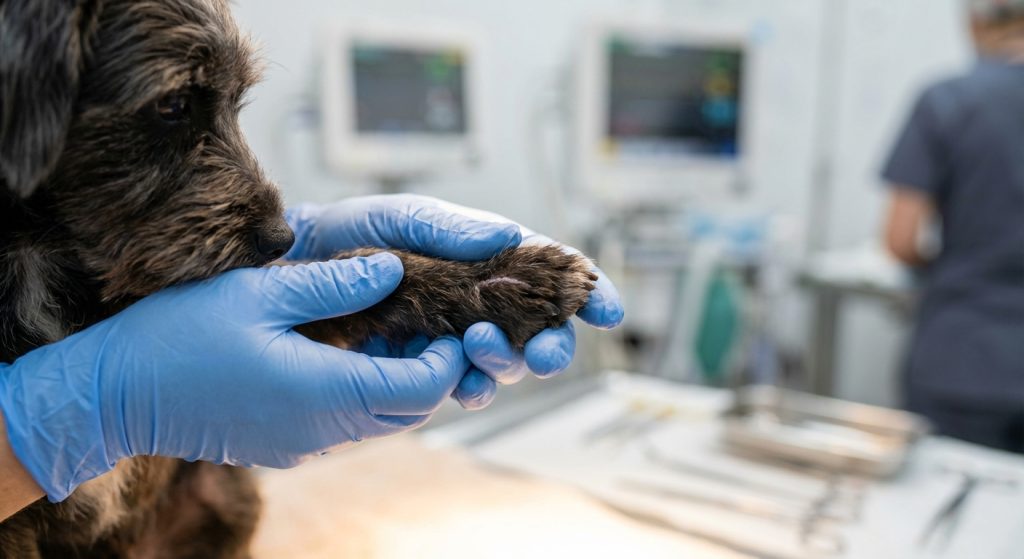
Pets develop many types of cancer. Some are common. Others are rare. Lymphoma is frequent in dogs. It affects the lymphatic system. Osteosarcoma is bone cancer. It often affects large breeds. Mast cell tumors are common in dogs too. They can appear on the skin. In cats, lymphoma is also prevalent. They also face squamous cell carcinoma. This often affects the mouth or skin.
Understanding the specific cancer is vital. It guides treatment decisions. Diagnosis involves various methods. These include imaging scans. Blood tests are also important. Biopsies confirm the diagnosis. Histopathology analyzes the tissue. Genetic testing is becoming more common. It helps predict behavior. It also informs treatment choices. Therefore, a thorough diagnostic workup is essential.
The Role of Chemotherapy in Veterinary Oncology
Chemotherapy uses drugs. These drugs kill cancer cells. They work by interfering with cell growth. Cancer cells divide rapidly. Chemotherapy targets this rapid division. However, it can also affect healthy cells. This is why side effects occur. Common side effects include nausea. Vomiting and diarrhea are also possible. Hair loss can happen, but it’s less common in pets.
We use different chemotherapy drugs. The choice depends on the cancer type. It also depends on the pet’s health. Cisplatin and carboplatin are platinum-based drugs. Doxorubicin is an anthracycline. Vincristine is a vinca alkaloid. These are just a few examples. Protocols are carefully designed. They aim to maximize efficacy. They also minimize toxicity. Dosing is precise. Treatment cycles are planned. We monitor patients closely. This ensures their safety and well-being.
Goals of Chemotherapy
Chemotherapy has several goals. Sometimes, the aim is cure. This is possible for some cancers. More often, the goal is remission. This means shrinking the tumor. It also means controlling the disease. Palliative care is another goal. It aims to improve quality of life. It can alleviate pain. It can reduce tumor-related symptoms. Therefore, chemotherapy is a versatile tool.
Managing Chemotherapy Side Effects
Managing side effects is key. Supportive care is essential. Anti-nausea medications help. Appetite stimulants can be used. Fluid therapy supports hydration. We also monitor blood counts. Neutropenia can increase infection risk. We provide antibiotics if needed. Owners play a vital role. They must monitor their pets at home. They report any changes. Prompt intervention is crucial. This ensures the pet remains comfortable. It also allows treatment to continue.
The integration of chemotherapy with other treatments is common. For example, it might follow surgery. It can also be combined with radiation therapy. This multimodal approach often yields better results. We tailor each plan individually. Each pet is unique. Their response to treatment can vary. Therefore, personalized care is paramount.
Surgical Intervention in Pet Cancer Treatment
Surgery is often the first line of treatment. It is especially true for localized tumors. The goal is complete removal. Complete surgical excision is ideal. This is called achieving clean margins. It means no cancer cells are left behind. This offers the best chance for cure. However, complete removal isn’t always possible. Sometimes tumors are too large. They might be attached to vital organs. In such cases, debulking surgery is performed. This removes as much tumor as possible. It can relieve pressure. It can improve the effectiveness of other therapies.
Surgical techniques have advanced. Minimally invasive approaches are used. Laparoscopy and thoracoscopy are examples. These use small incisions. They require specialized instruments. This leads to faster recovery times. Less pain is experienced by the pet. Therefore, these techniques are beneficial.
Pre-Surgical Considerations
Before surgery, careful planning is needed. A thorough physical examination is performed. Blood work assesses overall health. Imaging helps define the tumor’s extent. This includes X-rays, CT scans, and MRIs. Understanding the tumor’s location is critical. It also helps assess potential risks. Surgical margins are planned. The surgical team discusses the risks and benefits. Owners are fully informed. They provide consent. This ensures everyone is on the same page.
Post-Surgical Care and Recovery
Post-operative care is vital. Pain management is a priority. We use analgesics. Bandaging and wound care are important. Monitoring for signs of infection is necessary. Activity is gradually increased. Physical therapy may be recommended. This helps restore function. Nutritional support is also crucial. Recovery times vary. They depend on the surgery’s complexity. They also depend on the pet’s overall health. We provide detailed instructions for owners. They are essential for a smooth recovery.
In many cases, surgery is combined with other treatments. For example, chemotherapy may follow. This is often the case for aggressive cancers. Or if clean margins were not achieved. Radiation therapy is another option. The combination of surgery and adjuvant therapy can significantly improve outcomes. This is especially true for certain types of cancer. For instance, personalized medicine is revolutionizing how we approach cancer. It allows for tailored treatment plans based on a tumor’s genetic makeup.
Multimodal Cancer Treatment Strategies
Often, the best approach is multimodal. This means using a combination of therapies. Surgery removes the primary tumor. Chemotherapy targets microscopic cancer cells. Radiation therapy can target remaining cancer. It can also be used for palliative care. Each modality complements the others. This integrated strategy offers the best chance for success. For example, a dog with lymphoma might undergo chemotherapy. Surgery might be used for a localized tumor. Then, radiation could be used to treat any residual disease.
Other therapies are also emerging. Immunotherapy is one. It harnesses the pet’s own immune system. It helps it fight cancer. Targeted therapy uses drugs. These drugs attack specific molecules. They are found on cancer cells. These advanced treatments are promising. They offer new hope for difficult cases. Furthermore, advancements in nanotechnology are enabling more precise drug delivery.
The Importance of Quality of Life
Throughout cancer treatment, quality of life is paramount. We must always consider the pet’s well-being. Treatment should not cause undue suffering. We assess pain levels regularly. We monitor appetite and activity. We also consider the pet’s emotional state. Sometimes, the kindest option is to focus on comfort. This is palliative care. It aims to manage pain and symptoms. It ensures the pet remains happy and comfortable. Open communication with owners is vital. They know their pet best. We work together to make the best decisions.
The human-animal bond is strong. Cancer treatment can be challenging for owners too. Providing support and clear communication is essential. We aim to empower owners. They need to feel confident in the care their pet receives. Ultimately, our goal is to extend and improve the lives of our patients. This often involves difficult decisions. However, with advanced knowledge and compassionate care, we can achieve remarkable results.
Frequently Asked Questions (FAQ)
What are the most common cancers in dogs and cats?
In dogs, common cancers include lymphoma, osteosarcoma, and mast cell tumors. For cats, lymphoma and squamous cell carcinoma are frequently seen.
What are the potential side effects of chemotherapy in pets?
Common side effects include nausea, vomiting, diarrhea, and decreased appetite. Hair loss is less common in pets compared to humans.
Can surgery cure cancer in pets?
Yes, surgery can cure localized cancers if the entire tumor is successfully removed with clear margins. However, for some cancers, it may be part of a larger treatment plan.
How do veterinarians decide on the best treatment plan?
The treatment plan is based on the type and stage of cancer, the pet’s overall health, and the owner’s preferences. A multimodal approach is often used.
What is palliative care for pets with cancer?
Palliative care focuses on managing pain and improving the pet’s quality of life. The goal is to ensure comfort and dignity when curative treatments are no longer an option.
Conclusion: A Collaborative Approach to Pet Oncology
Advanced oncology for pets has made incredible strides. Chemotherapy and surgery are powerful tools. They offer significant hope. They can lead to remission or even cure. However, these treatments require expertise. They demand careful planning and execution. Furthermore, a deep understanding of each cancer is necessary.
As specialized veterinarians, our role is critical. We must stay updated on the latest research. We need to master new techniques. We also need to provide compassionate care. This includes supporting pet owners. They are partners in this journey. By working together, we can provide the best possible outcomes. We can give our beloved animal companions more time. We can also ensure that time is filled with quality and comfort. The ongoing research in areas like personalized cancer vaccines promises even more innovative solutions in the future.
