
Octopus Sentience: The Case for Legal Protection
Published on February 6, 2026 by Admin
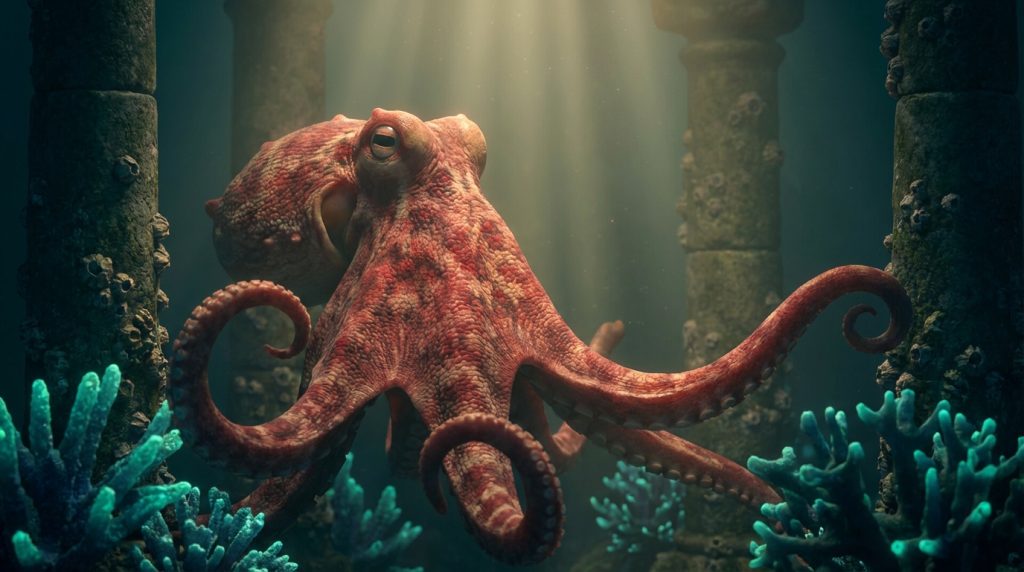
Marine ecosystems teem with life. Many species exhibit complex behaviors. Some of these behaviors suggest advanced cognitive abilities. Among them, octopuses stand out. They possess remarkable intelligence. This intelligence raises ethical questions. It also demands legal consideration. Therefore, why do octopuses need legal protection? The answer lies in their sentience.
Understanding Octopus Intelligence
Octopuses are invertebrates. They belong to the class Cephalopoda. For a long time, invertebrates were thought to lack complex cognition. However, research tells a different story. Octopuses display impressive problem-solving skills. They can navigate mazes. They also use tools. For instance, they have been observed carrying coconut shells. They use these shells for shelter. This shows foresight and planning.
Furthermore, octopuses exhibit distinct personalities. Some are shy. Others are bold. They can learn through observation. They can even learn from each other. This social learning is a hallmark of higher intelligence. Their nervous systems are also unique. A significant portion of their neurons are in their arms. This allows for independent arm movement. It also suggests a distributed form of consciousness.
Their ability to change color and texture is astonishing. This is not just camouflage. It is also a form of communication. They can express emotions. They can signal intentions. This complex signaling further supports their cognitive capacity. In essence, octopuses are far more than simple sea creatures. They are intelligent beings.
The Ethical Imperative: Sentience and Suffering
Sentience is the capacity to feel. It means experiencing sensations and emotions. This includes pleasure and pain. If an animal is sentient, it can suffer. The ethical implications are profound. We must consider their well-being. Causing unnecessary suffering is wrong. This principle applies to all sentient beings.
Given their cognitive abilities, octopuses are likely sentient. Their complex nervous systems suggest they can feel pain. They can also experience fear. Studies have shown how octopuses react to harmful stimuli. They exhibit avoidance behaviors. They also show signs of stress. This indicates a capacity for suffering. Therefore, our interactions with them must be ethical.
The current exploitation of octopuses is concerning. They are farmed. They are fished. Their lives are often short and difficult. In aquaculture, they are kept in cramped conditions. This can lead to stress and disease. In fisheries, they are caught using various methods. Some methods can be painful. These practices raise serious ethical questions. We need to re-evaluate our relationship with these creatures. We must extend our ethical considerations to them.
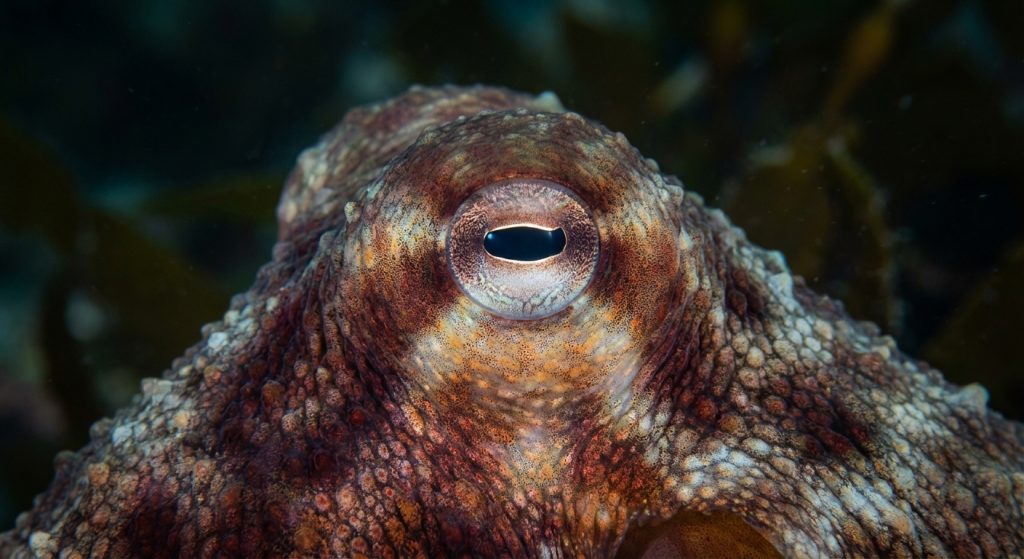
Legal Protections: A Necessary Step
Existing animal welfare laws often focus on vertebrates. Invertebrates like octopuses are frequently overlooked. This needs to change. Legal protection is crucial for sentient beings. It provides a framework for ethical treatment. It sets standards for their care. It also prohibits cruelty.
Several countries are starting to recognize octopus sentience. The UK, for example, updated its Animal Welfare Act. It now includes decapod crustaceans and cephalopods. This is a significant step. It acknowledges their capacity to feel. However, more needs to be done globally. We need stronger legislation. This legislation should specifically address octopuses.
What would such protection entail? It could include:
- Banning inhumane fishing methods.
- Regulating aquaculture practices to ensure welfare.
- Prohibiting unnecessary experimentation causing harm.
- Recognizing their intrinsic value beyond economic use.
These measures are not radical. They are a logical extension of our growing understanding. They reflect a more compassionate approach to the natural world. Furthermore, protecting octopuses can have broader implications. It can pave the way for protecting other intelligent invertebrates. This broadens our scope of ethical concern. This is vital for marine conservation. The impact of human activities on marine life is a serious concern. For instance, ocean acidification poses a significant threat to marine ecosystems. Understanding the impact of ocean acidification is crucial for their survival.
Challenges and Future Directions
Implementing legal protections for octopuses faces challenges. Defining sentience in invertebrates is complex. Scientific evidence is still evolving. However, the current evidence is compelling. We should err on the side of caution. When in doubt, we should protect potential sufferers.
Another challenge is enforcement. Marine environments are vast. Monitoring fishing and farming practices is difficult. International cooperation is essential. Public awareness is also key. Educating people about octopus intelligence is vital. This can drive demand for ethical products. It can also influence policy decisions.
Moreover, the aquaculture industry is growing. Octopuses are increasingly farmed. This industry needs strict oversight. Current farming methods often cause stress. They can lead to high mortality rates. Therefore, we need to invest in research. Research should focus on humane farming techniques. We also need to explore alternatives to current practices. For example, advancements in sustainable aquaculture offer promising avenues for responsible food production.
Ultimately, legal protection for octopuses is a moral imperative. It is also a scientific necessity. It aligns with our evolving understanding of animal cognition. It recognizes their right to a life free from unnecessary suffering. As we learn more about the intricate lives of marine creatures, our responsibilities grow. Protecting these intelligent beings is a testament to our ethical progress. It reflects a deeper respect for all life on Earth.
Frequently Asked Questions
Are octopuses truly sentient?
While defining sentience in invertebrates can be complex, extensive research suggests octopuses possess significant cognitive abilities. These include problem-solving, tool use, learning, and distinct personalities. Their complex nervous systems and observable reactions to stimuli strongly indicate they can experience pain and distress, making them sentient beings.
What specific legal protections do octopuses need?
Legal protections could encompass various aspects. These include banning cruel fishing and farming methods, regulating aquaculture for better welfare, prohibiting harmful experimentation, and recognizing their intrinsic value. This would establish a legal framework to prevent their suffering.
How does octopus sentience differ from other marine animals?
Octopuses, as invertebrates, represent a different evolutionary path to intelligence compared to vertebrates like fish or mammals. Their distributed nervous system, with a large portion of neurons in their arms, and their sophisticated camouflage and communication methods highlight a unique form of complex cognition not always found in other marine life.
What are the economic implications of protecting octopuses?
Protecting octopuses may involve changes to current fishing and farming practices, potentially impacting short-term economic gains. However, it can foster sustainable industries and ethical consumerism in the long run. Moreover, a healthy marine ecosystem, which includes protected octopuses, supports industries like ecotourism and fisheries.
How can individuals contribute to octopus protection?
Individuals can contribute by making informed choices about seafood consumption, supporting organizations that advocate for marine animal welfare, and raising awareness about octopus sentience. Educating oneself and others is a powerful tool for change.
