De-Extinction Tech: Can We Bring Back Vietnam’s Javan Rhino?
Published on February 6, 2026 by Admin
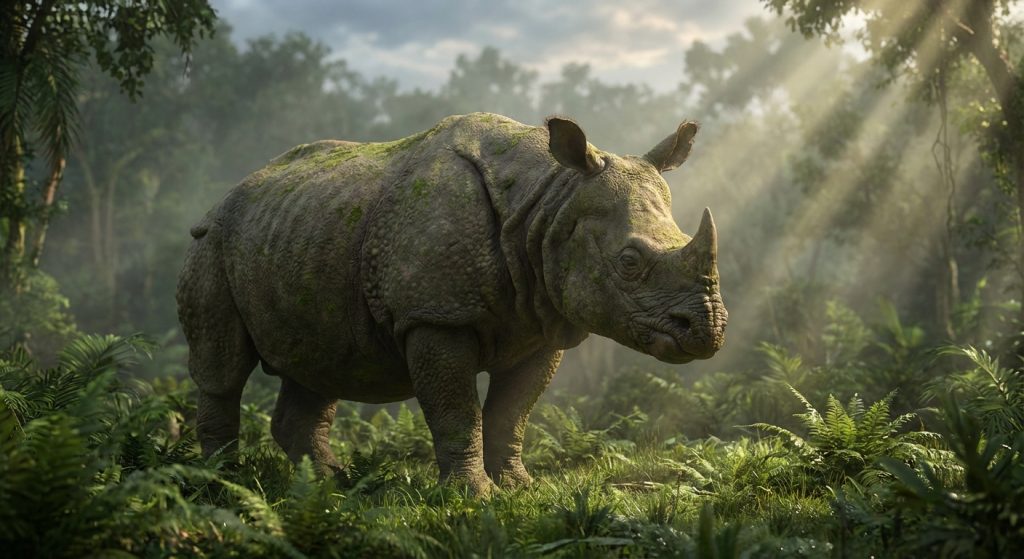
The Javan rhinoceros, a creature of ancient forests, once roamed Vietnam. Sadly, it is now critically endangered. Many believe it is extinct in the wild. This majestic animal faces a grim future. However, advancements in genetic engineering offer a glimmer of hope. De-extinction technology could potentially bring back lost species. This raises a profound question: can we resurrect the Javan rhino in Vietnam?
This article explores the scientific feasibility. It also delves into the ethical considerations. Furthermore, it examines the ecological impact. Finally, it discusses the practical challenges. We will look at the science behind de-extinction. We will also consider the unique situation in Vietnam. The goal is to understand if this ambitious project is possible.
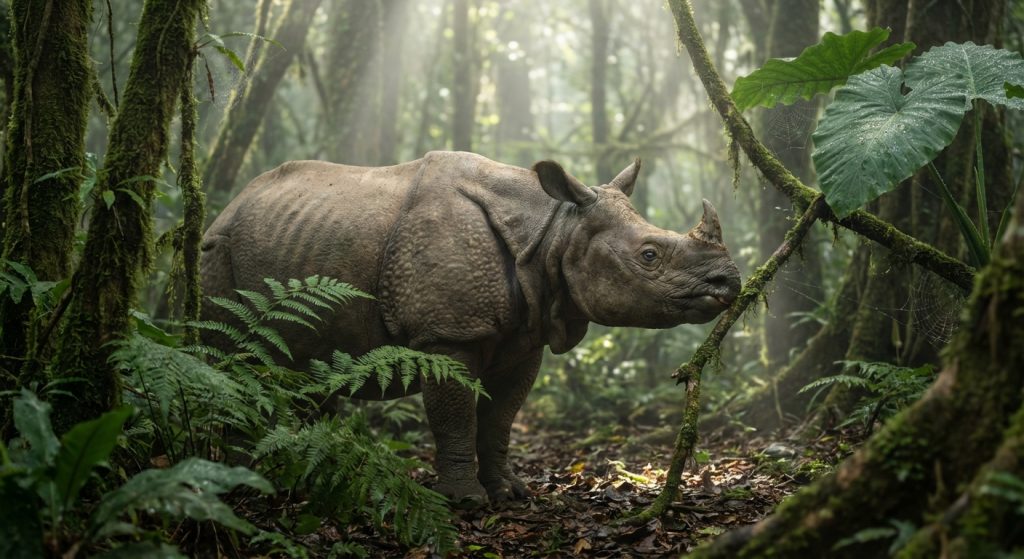
The Javan Rhino: A Ghost of Vietnam’s Past
The Javan rhino (Rhinoceros sondaicus) is one of the rarest large mammals on Earth. Once, it inhabited lush forests across Southeast Asia. This included a significant population in Vietnam. Unfortunately, habitat loss and poaching decimated their numbers. The last confirmed sighting of a Javan rhino in Vietnam was in 2010. Since then, the species is widely considered extinct in the country. Only a small population may survive on the island of Java, Indonesia. Thus, its very existence hangs by a thread.
The Javan rhino is a symbol of Vietnam’s rich biodiversity. Its disappearance represents a significant ecological loss. Bringing it back would be a monumental achievement. It would also signify a triumph of conservation science. However, the path to de-extinction is complex and fraught with challenges.
De-Extinction Technologies: The Science of Resurrection
Several key technologies underpin de-extinction efforts. These methods aim to recreate extinct species. Firstly, advanced DNA sequencing is crucial. Scientists can extract fragmented DNA from fossils or preserved specimens. This allows them to reconstruct the genome of an extinct animal. Secondly, gene editing tools like CRISPR are vital. These tools enable precise modifications to the DNA. They can correct errors or insert genes from closely related living species. Thirdly, reproductive technologies are essential. This includes artificial insemination and cloning. These methods are necessary to create a viable embryo.
For de-extinction of the Javan rhino, scientists would likely use a multi-pronged approach. They would first attempt to sequence its genome. This would involve using DNA from museum specimens or fossilized remains. Next, they would compare this genome to that of its closest living relative. This is likely the Sumatran rhino. Then, they would use gene editing to modify the Sumatran rhino’s genome. The goal is to introduce Javan rhino traits. Finally, they would implant the modified embryo into a surrogate mother. This surrogate would ideally be a Sumatran rhino.
Genome Reconstruction: Piecing Together the Past
Reconstructing an extinct species’ genome is a monumental task. DNA degrades over time. This makes obtaining complete genetic material difficult. Scientists must carefully collect and analyze samples. They then use sophisticated computational tools. These tools help them piece together the fragmented DNA. This process is like assembling a giant, ancient jigsaw puzzle. The accuracy of the reconstructed genome is paramount. Any errors could have significant consequences for the resurrected animal. For the Javan rhino, this would involve analyzing any available genetic material. This could include skin, horn, or bone fragments. The process requires immense precision and patience.
Gene Editing: Introducing Javan Rhino Traits
Gene editing, particularly CRISPR-Cas9, offers unprecedented possibilities. Scientists can identify specific genes. These genes are responsible for unique Javan rhino characteristics. They can then edit the DNA of a closely related species. This means inserting or modifying these genes. For example, they might aim to replicate Javan rhino skin patterns or horn shape. This technology allows for targeted genetic changes. It is a powerful tool for de-extinction. However, it also raises ethical questions about genetic manipulation. The goal is to create an animal that is genetically as close as possible to the original Javan rhino.
Reproductive Technologies: Bringing the Embryo to Life
Creating a living organism from edited cells requires advanced reproductive techniques. Cloning involves creating a genetically identical copy of an organism. Somatic cell nuclear transfer (SCNT) is a common method. It transfers the nucleus of a somatic cell into an egg cell. This egg cell then develops into an embryo. Artificial insemination involves using sperm to fertilize an egg. For de-extinction, scientists might use a combination of these methods. They could clone cells from an extinct animal. Alternatively, they could use gene-edited sperm or eggs. These would then be used for artificial insemination. The resulting embryo is then implanted into a surrogate mother. This surrogate must be a closely related species. In the case of the Javan rhino, a Sumatran rhino would likely serve as the surrogate. This is a highly complex and sensitive process.
Challenges and Ethical Dilemmas
De-extinction is not without its significant hurdles. Firstly, obtaining viable genetic material is often difficult. DNA degrades quickly after death. Fossilized remains can yield only fragmented genetic code. Secondly, even with perfect genetic reconstruction, creating a healthy, viable offspring is challenging. Reproductive technologies are still developing. Thirdly, the resurrected species must have a suitable habitat. This habitat must be able to support the reintroduced population. Furthermore, there are profound ethical questions. Is it right to bring back species that humans caused to disappear? What are the potential unintended consequences for existing ecosystems?
The ethical debate surrounding de-extinction is vigorous. Some argue it is a moral imperative. They believe we have a duty to correct past mistakes. Others express concern. They worry about the impact on current biodiversity. They also question the welfare of the resurrected animals. The idea of playing “god” with nature is a common point of contention. For the Javan rhino, the ethical considerations are particularly acute. Its near-extinction was a direct result of human actions.
The Vietnamese Context: A Suitable Home?
Vietnam’s natural landscapes have changed significantly. Decades of war and rapid development have altered its ecosystems. Restoring a viable habitat for the Javan rhino presents a major challenge. The Cat Tien National Park is a key conservation area. It was once home to the Javan rhino. However, its current ecological state needs careful assessment. Is it still suitable for a large herbivore like the rhino? Are there enough resources and sufficient protection from threats like poaching?
Moreover, the socio-economic landscape of Vietnam is also a factor. Conservation efforts require strong government support and community engagement. Public awareness and acceptance are crucial for success. If de-extinction were to proceed, Vietnam would need to commit significant resources. This includes habitat restoration and anti-poaching measures. The country’s commitment to wildlife protection is paramount.
Habitat Suitability: Can Forests Support Rhinos Again?
The original habitat of the Javan rhino in Vietnam was dense tropical forest. These forests provided ample food and cover. However, deforestation and habitat fragmentation have altered these landscapes. For de-extinction to succeed, extensive habitat restoration would be necessary. This means not only replanting forests but also ensuring the presence of diverse plant life. Rhinos are herbivores and require a varied diet. Furthermore, the habitat must be free from significant threats. This includes human encroachment and poaching. Protecting these areas is vital for any reintroduced species. We must ensure the environment can sustain them.
Conservation Efforts and Local Support
Successful reintroduction relies heavily on local support. Community involvement is key to long-term conservation. In Vietnam, this means educating local populations. It also means creating economic incentives for conservation. People need to see the value in protecting wildlife. This can involve ecotourism or sustainable resource management. Government policies play a critical role. Strong enforcement against poaching is essential. Without dedicated conservation efforts, any resurrected population would be vulnerable. Therefore, a strong, localized conservation strategy is fundamental.
The Path Forward: Realistic Prospects
De-extinction of the Javan rhino is a distant, albeit fascinating, prospect. The scientific and technological hurdles are immense. The ethical considerations are complex. Furthermore, the practical challenges of habitat restoration and protection are substantial. However, research in this field continues to advance rapidly. Advances in genomics and gene editing are making such ambitious projects more conceivable. For now, the focus remains on protecting the remaining Javan rhinos in Indonesia. Strengthening conservation efforts there is the most immediate priority. The possibility of de-extinction serves as a powerful reminder. It highlights the importance of preserving biodiversity. It also underscores the consequences of human impact on ecosystems. Perhaps, in the future, de-extinction will become a viable conservation tool. Until then, protecting what remains is our most critical mission. This is especially true for species like the Javan rhino, which are on the very edge of existence.
Frequently Asked Questions (FAQ)
What is de-extinction?
De-extinction is the process of bringing an extinct species back to life. It uses genetic engineering and reproductive technologies. Scientists aim to recreate a species that no longer exists.
Is de-extinction scientifically possible for the Javan rhino?
Theoretically, yes, but it faces significant scientific challenges. These include obtaining viable DNA, accurately reconstructing the genome, and successful reproduction. The technology is still developing.
What are the main ethical concerns about de-extinction?
Ethical concerns include whether it is right to “play god,” the potential impact on existing ecosystems, and the welfare of the resurrected animals. There are also questions about resource allocation versus conserving existing species. You can explore some ethical considerations in areas like de-extinction ethics.
Why is the Javan rhino so important?
The Javan rhino is important because it is a unique species. Its extinction would be a significant loss of biodiversity. It also plays a role in its ecosystem. Bringing it back would be a major conservation success.
What is the current status of the Javan rhino?
The Javan rhino is critically endangered. Only a very small population is believed to exist on the island of Java, Indonesia. It is considered extinct in Vietnam.
Could de-extinction help prevent future extinctions?
Some believe de-extinction could serve as a backup. It might help restore lost ecological functions. However, others argue it distracts from the urgent need to prevent current extinctions. Protecting existing species and habitats is paramount. This is similar to how protecting wildlife prevents future pandemics.