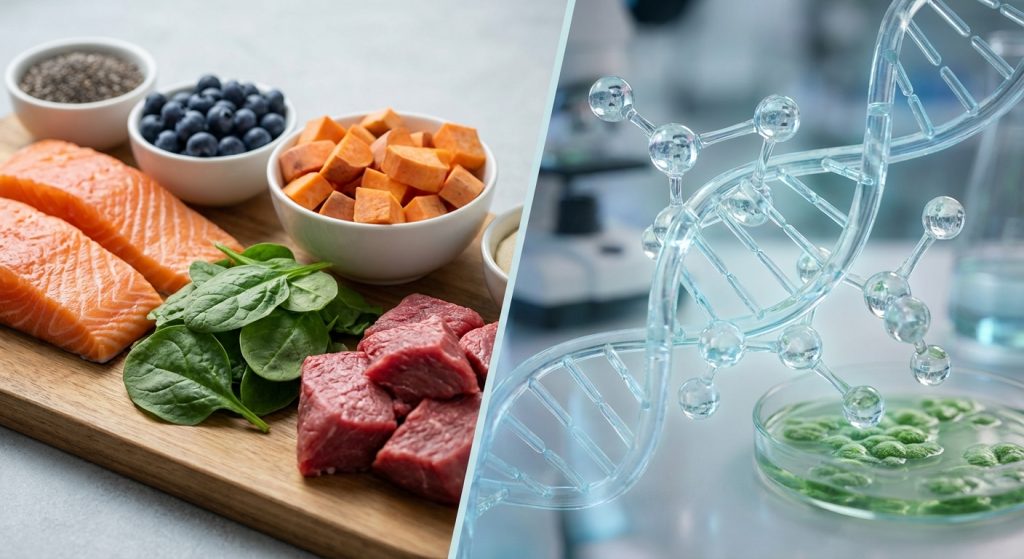
Many pet owners rely on commercially produced kibble for their pets’ diets. However, a growing movement advocates for a shift towards raw food diets. This change is driven by a deeper understanding of pet nutrition science. It suggests that processed foods may not be optimal. Therefore, exploring alternatives like raw diets is becoming increasingly popular.
This article delves into the science behind pet nutrition. We will explore why some experts are moving away from processed kibble. We will also examine the benefits and considerations of raw diets. Ultimately, the goal is to empower pet owners with knowledge for making informed dietary choices. This ensures their beloved companions thrive.
The Limitations of Processed Kibble
Processed kibble has long been the default choice for many pet parents. Its convenience and shelf stability are undeniable advantages. However, several scientific concerns surround its production and nutritional value. Firstly, the high-temperature processing methods used can degrade essential nutrients. This can reduce the bioavailability of vitamins and minerals. Secondly, kibble often contains fillers and artificial additives. These may not contribute to a pet’s nutritional needs. In fact, they can sometimes lead to sensitivities or health issues.
Moreover, the long-term effects of a diet primarily composed of dry, processed food are debated. Some research suggests a link between kibble consumption and certain chronic health conditions. Therefore, understanding these limitations is crucial for pet owners. It encourages a more critical look at the ingredients and processing of their pet’s food.
Nutrient Degradation During Processing
The manufacturing of kibble involves high heat and extrusion processes. These methods are necessary to create the dry, shelf-stable product. However, they can significantly impact nutrient levels. For example, heat can destroy heat-sensitive vitamins like Vitamin C and some B vitamins. While manufacturers often add these back, their form might be less absorbable. Enzymes, crucial for digestion, are also denatured by heat. This can make it harder for pets to digest their food efficiently.
Furthermore, the process can alter the protein structure. This might make it less digestible or even allergenic for some pets. Consequently, the nutritional profile of kibble may not be as complete or bioavailable as proponents claim. This is why many are seeking more natural and less processed options.
Fillers and Artificial Additives
Many commercial kibbles include ingredients like corn, wheat, and soy. These are often used as fillers to bulk up the product. While not inherently harmful in small amounts, they offer limited nutritional value for carnivores like dogs and cats. Some pets can also develop allergies or sensitivities to these common grains. Beyond fillers, artificial colors, flavors, and preservatives are frequently added. These can contribute to hyperactivity or other adverse reactions in sensitive animals. Therefore, scrutinizing ingredient lists is essential.
The Science Behind Raw Diets
Raw diets aim to mimic the ancestral diet of dogs and cats. This typically includes uncooked muscle meat, organs, and bones. The proponents of raw feeding emphasize several potential benefits derived from this approach. Firstly, raw foods are generally more bioavailable. This means nutrients are more easily absorbed and utilized by the pet’s body. Secondly, raw diets are free from artificial additives and fillers commonly found in kibble. This can be particularly beneficial for pets with sensitivities or allergies.
Moreover, the enzymes present in raw food are not destroyed by heat. These enzymes can aid in digestion and nutrient absorption. This aligns with the natural biological needs of carnivorous animals. However, it is important to note that raw diets must be properly balanced to ensure complete nutrition. Imbalances can lead to deficiencies or excesses of certain nutrients.
Bioavailability and Nutrient Absorption
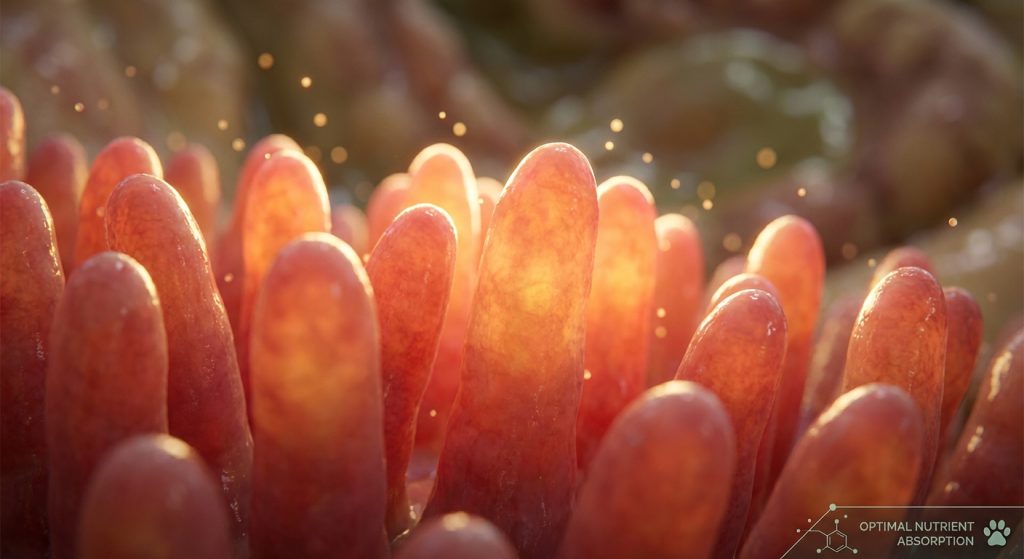
One of the primary arguments for raw diets is their superior bioavailability. Raw meats and organs are closer to what a pet’s digestive system is naturally designed to process. Therefore, nutrients like proteins, fats, vitamins, and minerals can be absorbed more efficiently. This improved absorption can lead to better overall health. It may also result in a shinier coat, healthier skin, and increased energy levels. For instance, essential fatty acids found in raw meats are often more potent. They are also less prone to oxidation compared to those in processed foods.
Enzymes and Digestion
Raw foods contain natural enzymes that are crucial for digestion. These enzymes are typically destroyed during the high-temperature processing of kibble. Ingesting raw food with its natural enzymes can help pets break down their food more effectively. This can lead to better nutrient absorption and reduced digestive upset. For example, amylase helps break down starches, and lipase aids in fat digestion. These natural digestive aids contribute to a more efficient and complete utilization of food. Consequently, pets may experience fewer digestive issues like bloating or gas.
The Importance of Balance
While raw diets offer many potential benefits, achieving nutritional balance is paramount. A poorly formulated raw diet can lead to serious health problems. It is essential to ensure the diet includes the correct ratios of muscle meat, organs, and bone. These components provide essential amino acids, vitamins, minerals, and calcium. For example, a diet lacking calcium from bone can lead to skeletal issues. Conversely, an excess of certain organs could lead to vitamin A toxicity. Therefore, consulting with a veterinary nutritionist is highly recommended. They can help create a safe and balanced raw food plan tailored to a pet’s specific needs.
Potential Risks and Safety Considerations
Transitioning to a raw diet requires careful consideration of potential risks. The primary concern is the presence of harmful bacteria like Salmonella and E. coli. These can be present in raw meats and pose a risk to both pets and humans. Strict hygiene practices are therefore essential. This includes thorough handwashing after handling raw food and cleaning surfaces promptly. Pets with compromised immune systems may also be more susceptible to foodborne illnesses.
Another consideration is the risk of bone fragments. Whole bones can pose a choking hazard or cause intestinal blockages or perforations if not appropriate for the pet’s size and chewing habits. It is crucial to select appropriate bone types and sizes. Also, always supervise pets when they are chewing on bones.
Bacterial Contamination
Raw meat can harbor pathogenic bacteria. These can cause gastrointestinal upset in pets. They can also lead to more serious infections. Furthermore, these bacteria can be transmitted to humans through contact with contaminated food, surfaces, or pet waste. This is a significant public health concern. Therefore, sourcing raw meat from reputable suppliers is vital. Proper storage and handling are also critical. Freezing raw meat for a specific period can help reduce bacterial load. However, it does not eliminate all risks. Diligent sanitation protocols are non-negotiable for raw feeders.
Choking and Internal Injuries
Bones, while a natural part of a raw diet, can present dangers. Cooked bones are brittle and can splinter easily, causing internal damage. Raw bones are generally safer, but still carry risks. Large bones can be a choking hazard. Small, hard bones can fracture teeth. Ingesting too much bone material can lead to constipation or blockages. It is important to choose appropriate raw bones. These should be size-appropriate and of a texture that the pet can manage safely. For instance, a large raw beef knuckle bone is suitable for a large dog but not a small breed. Always supervise your pet when they are eating bones.
Making the Transition: Expert Advice
Transitioning a pet from kibble to a raw diet should be a gradual process. Sudden changes can disrupt a pet’s digestive system. Start by introducing small amounts of raw food alongside their current kibble. Slowly increase the proportion of raw food over several weeks. Observe your pet for any signs of digestive upset, such as vomiting or diarrhea. If issues arise, slow down the transition or consult your veterinarian.
It is also wise to research reputable raw food brands or consult a veterinary nutritionist. They can provide guidance on formulating a balanced diet. They can also advise on safe sourcing of ingredients. This ensures your pet receives all the necessary nutrients for optimal health. Moreover, understanding your pet’s individual needs is key. Factors like age, activity level, and any pre-existing health conditions should be considered.
Gradual Introduction
A gradual transition is key to minimizing digestive upset. Begin by replacing a small portion of the pet’s kibble with raw food. For example, start with 10-25% raw food and 75-90% kibble. Over the next one to two weeks, gradually increase the raw food percentage. Simultaneously, decrease the kibble amount. This allows your pet’s digestive system to adapt to the new food. It helps their gut bacteria adjust. If your pet experiences loose stools, reduce the raw food amount. Then, try increasing it again more slowly. Patience is essential during this phase.
Consulting Professionals
Seeking professional advice is crucial for a successful and safe transition. A veterinarian or a certified veterinary nutritionist can assess your pet’s individual needs. They can help design a balanced raw food diet. This ensures all essential nutrients are provided in the correct proportions. They can also advise on appropriate protein sources, organ meats, and bone content. Additionally, they can discuss safety protocols for handling raw food. They can also address any potential health concerns related to raw feeding. This expert guidance helps prevent nutritional deficiencies or excesses.
The Future of Pet Nutrition
The field of pet nutrition is continuously evolving. Science is revealing more about the complex needs of our animal companions. While kibble remains a convenient option, the insights gained from studying raw diets are valuable. They highlight the importance of whole, unprocessed ingredients. They also underscore the benefits of bioavailability and natural enzymes. As research progresses, we may see a rise in “hybrid” diets. These could combine the benefits of raw or fresh foods with the convenience of processed options. Ultimately, the focus is on providing pets with the most optimal nutrition for a long and healthy life. This involves staying informed and making choices based on scientific understanding and individual pet needs.
Frequently Asked Questions
Is a raw diet suitable for all pets?
While many pets can thrive on a raw diet, it may not be suitable for all. Pets with compromised immune systems or certain health conditions may be at higher risk. Always consult your veterinarian before making significant dietary changes.
How do I know if my pet is getting enough nutrients on a raw diet?
A balanced raw diet should provide all essential nutrients. Signs of deficiency can include a dull coat, lethargy, or weight loss. Conversely, signs of excess might include vomiting or diarrhea. Regular veterinary check-ups and monitoring your pet’s health are key.
What are the signs of a good quality raw food?
Good quality raw food should be made from human-grade ingredients. It should have a balanced ratio of muscle meat, organs, and bone. Avoid products with fillers, artificial preservatives, or excessive moisture. Reputable brands often provide detailed nutritional analysis.
Can I feed my cat a raw diet?
Yes, cats, being obligate carnivores, can benefit from raw diets. However, their nutritional needs are very specific. It is crucial to ensure their raw diet is properly balanced with adequate taurine and other essential nutrients. Consulting a feline nutritionist is highly recommended.
How long does raw food last in the refrigerator?
Freshly prepared raw food typically lasts for 2-3 days in the refrigerator. Commercially prepared frozen raw food should be thawed in the refrigerator and used within 24-48 hours. Always check the packaging for specific storage instructions.
What is the difference between raw and freeze-dried raw diets?
Freeze-dried raw diets involve removing moisture from raw ingredients. This significantly extends shelf life. They retain much of the nutritional value of raw food. However, they require rehydration before feeding. They offer a convenient alternative to fresh raw diets.