
Wildlife Corridors: Bridging VN Highways for Animal Safety
Published on February 6, 2026 by Admin
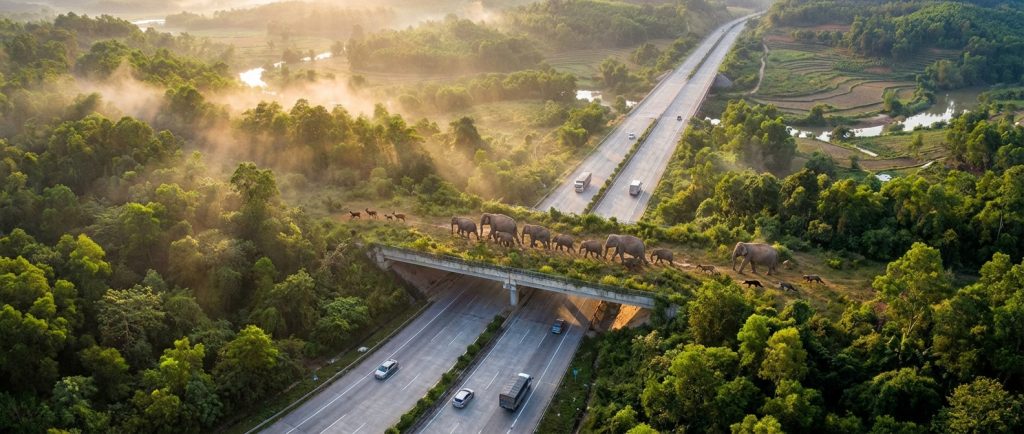
Highways cut through natural landscapes. This creates barriers for wildlife. Animals struggle to cross these busy roads. Many are hit by vehicles. This is a serious conservation issue. It also poses risks to drivers. Building wildlife corridors offers a solution. These are safe passages for animals. They connect fragmented habitats. This helps maintain biodiversity. It’s a vital step for conservationists and civil engineers.
The Growing Problem of Habitat Fragmentation
Vietnam’s rapid development brings more roads. Highways are essential for transport. However, they divide ecosystems. This fragmentation isolates animal populations. It limits their movement. It also reduces their access to food and mates. Eventually, this can lead to local extinctions. Many species are affected. This includes large mammals and small creatures alike. The impact is widespread and significant.
Consider the case of forest-dwelling species. They need to move between forest patches. Roads make this extremely dangerous. They cannot easily find new territories. They also struggle to escape threats. This isolation weakens their gene pools. It makes them more vulnerable. Therefore, finding solutions is critical.
What Are Wildlife Corridors?
Wildlife corridors are essentially bridges for animals. They are designed to allow safe passage. This can be over or under roads. They can also connect natural areas separated by development. Think of them as animal highways. They are built with specific animal needs in mind. They can take many forms. Some are underpasses. Others are overpasses. Sometimes, they are simply vegetated strips.
These corridors are not just for large animals. They help a wide range of species. This includes birds, reptiles, and insects. They are crucial for maintaining ecological connectivity. This means allowing species to move freely. It supports healthy ecosystems. It also aids in species survival. Indeed, effective corridors are a cornerstone of modern conservation strategies.
Types of Wildlife Crossings
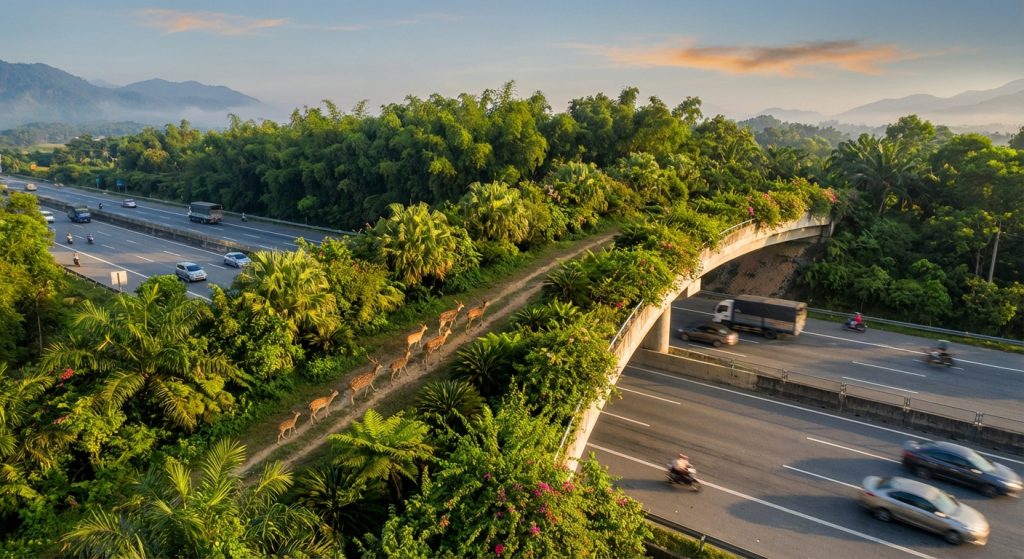
Several types of wildlife crossings exist. Each suits different species and environments. Underpasses are common. They are tunnels built beneath roads. These are ideal for ground-dwelling animals. For example, deer and amphibians use them. Overpasses are elevated structures. They allow animals to cross above traffic. These are good for a wider range of animals. They can be planted with vegetation. This makes them more natural.
Fencing is also important. It guides animals towards the crossings. It prevents them from entering the roadway. Sometimes, existing natural features are enhanced. This could involve creating buffer zones. These zones connect to the corridors. They provide a more natural transition. Each type serves a specific purpose. They work together for maximum effectiveness.
Designing Effective Corridors: A Civil Engineering Challenge
Designing wildlife corridors requires careful planning. Civil engineers and conservationists must collaborate. They need to understand animal behavior. They must also consider traffic flow. The location is key. Corridors should connect important habitats. They should also be placed where wildlife movement is high. The size and structure matter too. They must be wide enough. They should also be long enough. Vegetation is also important. It provides cover and encourages use.
Engineers must also consider safety. The crossings must be secure for animals. They must also not impede human traffic too much. This balance is crucial. Furthermore, maintenance is a factor. Corridors need to be monitored. They might need repairs over time. Ultimately, successful design leads to successful crossings.
Benefits for Wildlife Conservation
The benefits for wildlife are immense. Corridors reduce roadkill significantly. This saves countless animal lives. It also helps maintain genetic diversity. Animals can move freely. They can find mates. They can access new resources. This prevents populations from becoming isolated. It also helps species adapt to environmental changes. For example, they can move to cooler areas. This is especially important with climate change.
Moreover, corridors support ecosystem health. They allow for the natural spread of plants and animals. This maintains ecological balance. It contributes to overall biodiversity. It is a proactive approach to conservation. It ensures the long-term survival of species. This is a critical goal for conservationists.
Benefits for Human Safety and Infrastructure
Wildlife corridors also benefit humans. Reducing animal-vehicle collisions is a major safety improvement. Fewer accidents mean fewer injuries and fatalities. It also reduces damage to vehicles. This saves money on repairs. It also prevents traffic delays caused by accidents. This makes travel smoother and more predictable.
Furthermore, well-designed corridors can improve driver awareness. They signal areas of potential wildlife activity. This encourages caution. It creates a safer road environment for everyone. It’s a win-win situation. Both wildlife and humans gain from these structures.
Challenges and Considerations
Despite the benefits, building wildlife corridors faces challenges. Funding is a significant hurdle. These projects can be expensive. Acquiring land can also be difficult. Public acceptance is another factor. Some people may not understand the need. They might see them as unnecessary costs. Education and engagement are vital. We need to explain the long-term benefits. We also need to address potential issues. Noise and light pollution can affect corridor use. These need careful management. Finally, monitoring is essential. We need to ensure corridors are effective. This involves tracking animal usage.
Moreover, different species have different needs. A corridor designed for deer might not work for a badger. Therefore, studies are needed. These studies inform the design. They ensure the corridor serves its intended purpose. It is a complex but rewarding endeavor. It requires a multidisciplinary approach.
Case Studies and Examples
Many countries are implementing wildlife corridors. In the United States, the Interstate 90 wildlife crossings in Wyoming are famous. They have significantly reduced wildlife-vehicle collisions. In Europe, Germany has many wildlife overpasses and underpasses. These are integrated into their highway network. These examples show that it is possible. It requires commitment and investment.
Vietnam is also beginning to recognize this need. As infrastructure grows, so does the urgency. Implementing these solutions now is crucial. It will protect Vietnam’s rich biodiversity. It will also enhance road safety. It’s about building a more sustainable future. We can learn from global successes. We can adapt them to the Vietnamese context. This is a key step in adopting a holistic ‘One Health’ approach.
The Role of Technology
Technology plays a growing role. Drones can monitor wildlife near corridors. AI can analyze movement patterns. This helps in designing and managing corridors. Sensors can detect when animals are using them. This data is invaluable. It helps conservationists understand effectiveness. It also helps engineers refine designs. For example, AI-powered biometrics can track individual animals. This provides deeper insights. Smart technology can make corridors more efficient. It helps us protect wildlife better.
Building a Greener Future
Wildlife corridors are more than just infrastructure. They represent a commitment to coexistence. They show a respect for nature. They are an investment in our planet’s future. For civil engineers, it’s about responsible development. For conservationists, it’s about preserving biodiversity. Together, they can create solutions. These solutions benefit both people and wildlife. It is a vital part of building a sustainable world. It ensures that progress does not come at the cost of nature’s survival.
Frequently Asked Questions
What is the main goal of wildlife corridors?
The main goal is to reduce wildlife-vehicle collisions and maintain ecological connectivity. This allows animals to move safely between fragmented habitats.
Are wildlife corridors only for large animals?
No, they are designed for a wide range of species, including mammals, birds, reptiles, and insects. The design can be tailored to specific species’ needs.
What are the main types of wildlife crossings?
The main types include underpasses (tunnels beneath roads) and overpasses (elevated structures). Fencing often guides animals to these crossings.
Who is involved in designing wildlife corridors?
Designing effective corridors requires collaboration between civil engineers and wildlife conservationists. Their combined expertise ensures both infrastructure needs and animal welfare are met.
What are the economic benefits of wildlife corridors?
They reduce costs associated with road accidents involving animals, including vehicle damage and human injuries. They also improve traffic flow.
How is technology used in wildlife corridors?
Technology like drones, AI, and sensors helps in monitoring wildlife movement, assessing corridor usage, and improving their design and effectiveness.
