
AI Powers Avian Flu Surveillance Via Bird Migration Tracking
Published on February 7, 2026 by Admin
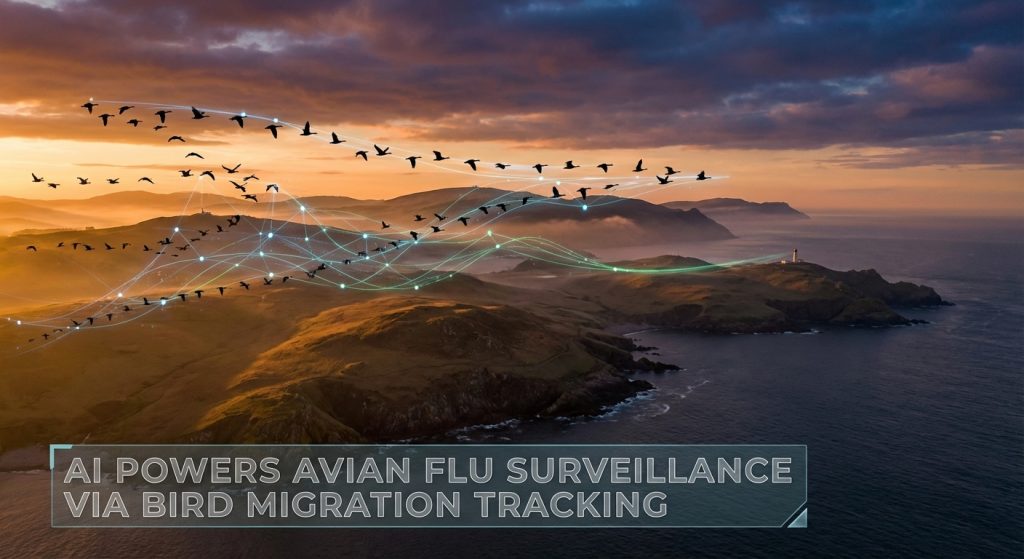
Avian influenza, commonly known as bird flu, poses a significant threat. It can impact wild bird populations and domestic poultry. Furthermore, it can spill over to mammals, including humans. Therefore, effective surveillance is crucial. Traditional methods can be time-consuming and labor-intensive. However, artificial intelligence (AI) offers a transformative solution. AI can analyze vast datasets to predict and track disease spread. This article explores how AI is revolutionizing avian flu surveillance. Specifically, it focuses on using AI to track bird migration patterns.
The Challenge of Avian Flu Surveillance
Avian flu is a highly contagious viral disease. It primarily affects birds. Wild birds, especially waterfowl, are natural reservoirs for the virus. They can carry and spread it over long distances. This is particularly concerning during migratory seasons. Birds travel across continents. They interact with different bird populations. This creates numerous opportunities for viral transmission.
Monitoring these movements is essential for early detection. It helps in implementing timely control measures. However, tracking millions of migratory birds is a monumental task. It requires extensive resources and coordination. Traditional surveillance often relies on reports from farms and hunters. It also involves sampling birds at specific locations. These methods can miss crucial early signals. This is because they are often reactive rather than proactive.
AI and Bird Migration: A Powerful Combination
Artificial intelligence excels at pattern recognition. It can process complex data at incredible speeds. Bird migration patterns are intricate. They involve numerous variables. These include weather, geography, and food availability. AI algorithms can analyze these factors. They can learn from historical migration data. This allows them to predict future movements.
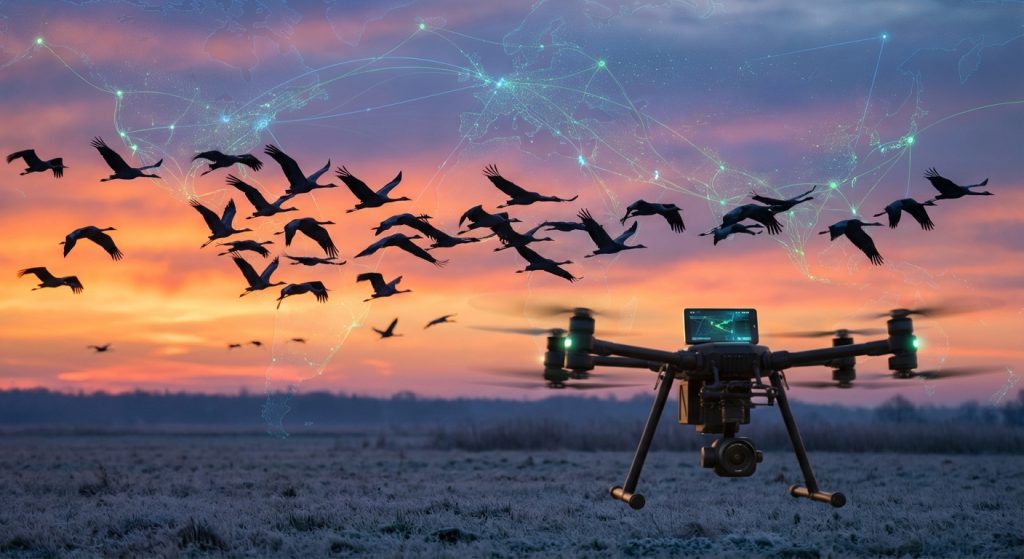
By integrating AI with tracking technologies, we gain new insights. Technologies like GPS trackers and satellite imagery provide movement data. AI can then analyze this data. It can identify high-risk areas. These are areas where migratory birds congregate. It can also pinpoint migratory corridors. These are the paths birds frequently use. This information is invaluable for targeted surveillance efforts. Therefore, AI-powered analysis of migration data becomes a vital tool.
Data Sources for AI Analysis
Several data sources feed AI models for migration tracking:
- Satellite Imagery: Provides broad-scale data on bird flock movements and habitat use.
- GPS Tracking Devices: Offer precise, individual bird movement data.
- Citizen Science Data: Observations from birdwatchers and researchers can supplement formal data.
- Weather Patterns: AI can correlate weather conditions with migratory behavior.
- Environmental Data: Information on food sources and habitat suitability is crucial.
The more comprehensive the data, the more accurate the AI predictions. For example, analyzing avian influenza surveillance data alongside migration patterns helps identify potential hotspots.
How AI Tracks Bird Migration for Surveillance
The process involves several key steps. Firstly, data is collected from various sources. This data includes bird locations, speeds, and directions. It also incorporates environmental factors. Then, AI algorithms are employed. These algorithms are often based on machine learning. They can identify patterns in the collected data.
Machine learning models can learn to predict the likelihood of birds being present in certain areas. They can also forecast when birds might arrive or depart. This predictive capability allows authorities to anticipate potential disease spread. For instance, AI can forecast when large flocks are likely to pass through regions with significant poultry farms. This proactive approach is a significant leap forward. It allows for preventative measures to be put in place before an outbreak occurs.
Predictive Modeling and Risk Assessment
AI-driven predictive models go beyond simple tracking. They assess the risk of avian flu transmission. Models can identify areas with a high density of migratory birds. They can also flag regions where wild birds interact with domestic poultry. This creates a risk map. This map helps prioritize surveillance efforts. Resources can be allocated more effectively.
For example, if AI predicts a large flock of infected birds will pass near a densely populated farming area, public health officials can be alerted. They can then implement enhanced biosecurity measures. This might include increased testing or movement restrictions for poultry. Such targeted interventions are far more efficient. They minimize disruption while maximizing protection. This is a critical aspect of understanding wildlife migration.
Benefits of AI-Powered Avian Flu Surveillance
The integration of AI into avian flu surveillance offers numerous advantages. Firstly, it enhances early detection capabilities. AI can identify subtle changes in bird behavior or distribution. These changes might indicate the presence of the virus. This allows for quicker responses.
Secondly, AI improves the efficiency of surveillance. It automates data analysis. This frees up human resources for other critical tasks. Instead of manually sifting through data, experts can focus on interpreting AI-generated insights. Thirdly, it enables more targeted interventions. By predicting high-risk areas, resources can be deployed precisely where they are needed most. This reduces unnecessary costs and disruptions. Finally, it provides a more comprehensive understanding of disease dynamics. AI can analyze complex interactions between different factors. This leads to better disease control strategies.
Case Studies and Future Potential
While specific large-scale public case studies are still emerging, the potential is immense. Researchers are actively developing and testing AI models. These models are designed to predict bird movements with increasing accuracy. For instance, AI can be used to analyze acoustic data. This could help monitor bird populations and detect unusual activity. The use of AI in monitoring various aspects of the natural world is growing. This includes using bioacoustics for conservation.
Looking ahead, AI could enable real-time surveillance. Imagine a system that continuously monitors bird movements. It alerts authorities instantly if a high-risk event is detected. This would be a game-changer for pandemic preparedness. Furthermore, AI can integrate data from various sources. This includes data on animal health, human health, and environmental conditions. This aligns with the “One Health” approach, recognizing the interconnectedness of animal, human, and environmental health.
Ethical Considerations and Data Privacy
As with any AI application, ethical considerations are important. Data privacy is a concern, especially when tracking individual animals. However, in the context of disease surveillance, the focus is on population-level movements and risks. Transparency in AI algorithms is also crucial. Understanding how predictions are made builds trust.
Furthermore, ensuring equitable access to these technologies is vital. Developing nations may require support to implement advanced AI surveillance systems. This ensures that all regions can benefit from improved disease prevention. The responsible development and deployment of AI are key. This ensures that it serves as a tool for public good.
Frequently Asked Questions (FAQ)
What is avian flu?
Avian flu, or bird flu, is a viral disease that affects birds. It can also infect other animals and humans. It is highly contagious and can be deadly.
Why is tracking bird migration important for avian flu surveillance?
Migratory birds are natural carriers of avian flu. They can spread the virus over vast distances. Tracking their movements helps predict where and when outbreaks might occur.
How does AI help track bird migration?
AI algorithms analyze large datasets from sources like GPS trackers and satellite imagery. They identify patterns in bird movements, predict migration routes, and forecast arrival times in different areas.
What are the main benefits of using AI for avian flu surveillance?
Benefits include earlier detection of outbreaks, more efficient use of resources, targeted interventions, and a better understanding of disease spread dynamics.
Are there any ethical concerns with using AI to track birds?
Key concerns include data privacy (though typically focused on animal populations, not individuals), transparency of algorithms, and ensuring equitable access to the technology globally.
Conclusion
The threat of avian flu demands innovative solutions. Artificial intelligence, particularly in analyzing bird migration patterns, offers a powerful new frontier. By leveraging AI, we can move from reactive disease control to proactive prevention. This not only protects bird populations and agriculture but also safeguards human health. As AI technology continues to advance, its role in safeguarding public health will undoubtedly grow. This collaborative effort between technology and ecological understanding is key to a healthier future. It is vital for us to continue investing in these advanced surveillance techniques. This ensures we are prepared for future infectious disease challenges.
