
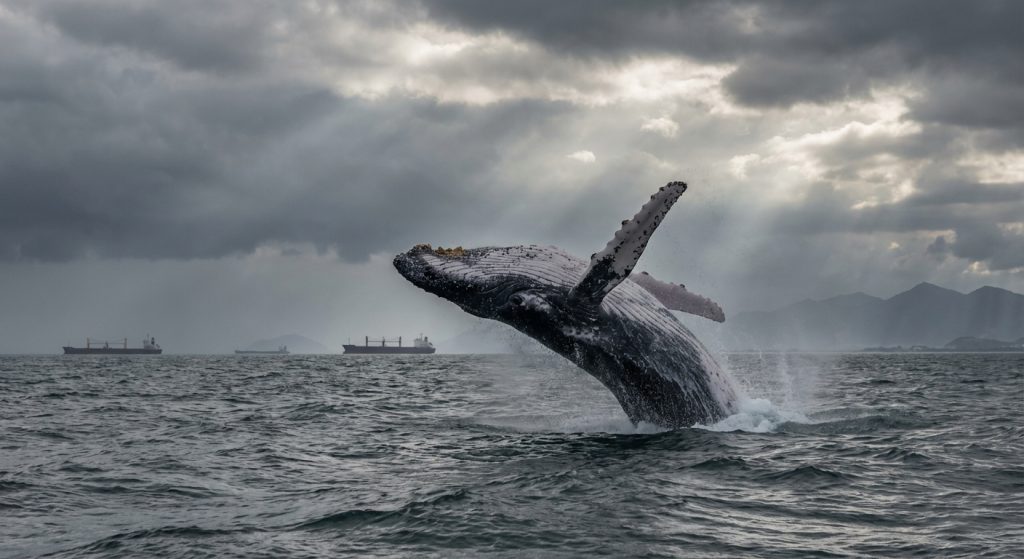
Marine life faces many threats. Noise pollution is a growing concern. Ships are a major source of this noise. Their engines and propellers create loud sounds. These sounds travel far underwater. They can disrupt marine animals. This is especially true for whales. Whales rely on sound for survival. They use it to communicate. They also use it for navigation. They find food with sound. They find mates with sound. Loud ship noise can interfere with this. It can make their world much harder.
Vietnam has a rich coastline. It is home to many whale species. These whales are vital to the ecosystem. However, increased shipping traffic poses a risk. Understanding this impact is crucial. We need to protect these magnificent creatures.
The Ocean’s Soundscape Under Siege
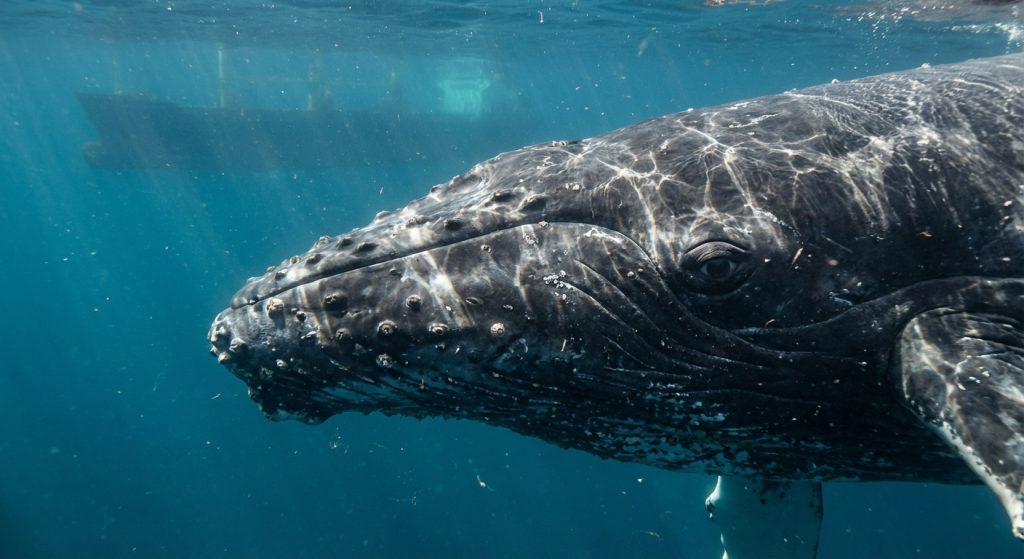
The ocean is not silent. It has a natural soundscape. This includes sounds from marine life. It also includes natural geological events. For example, waves and currents make noise. Whales have evolved to thrive in this environment. They use complex vocalizations. These sounds are key to their lives.
However, human activities have changed this. Shipping is a primary culprit. Large vessels generate intense noise. This noise can be very disruptive. It can mask whale calls. It can also cause physical harm. Whales may experience hearing loss. They might also feel stress. This stress can affect their health. It can also impact their reproductive success.
How Ship Noise Affects Whale Communication
Whales use sound for many reasons. Firstly, they use it for long-distance communication. This is vital for social bonding. It is also important for finding mates. Secondly, they use echolocation. This helps them find prey. It also helps them navigate complex environments. Thirdly, they use sound for alarm calls. This warns others of danger.
Ship noise is often low-frequency. It can travel for hundreds of kilometers. This noise directly overlaps with whale communication frequencies. Therefore, whale calls can be drowned out. Imagine trying to have a conversation in a loud concert. It becomes very difficult. Whales face a similar challenge. They might have to shout louder. This uses more energy. They might also change their calls. They might simplify them. This can reduce the information conveyed.
Furthermore, the noise can cause displacement. Whales may avoid noisy areas. This can lead to habitat loss. They might move away from feeding grounds. They might also move away from breeding grounds. This disrupts their life cycles. It can have cascading effects on populations.
Shipping Routes in Vietnamese Waters
Vietnam’s maritime trade is growing. Many shipping lanes pass through its waters. These lanes are crucial for the economy. However, they are also busy routes. They are frequented by large cargo ships. These ships are significant noise polluters. Some popular routes are near important whale habitats. For instance, the East Sea is a busy waterway.
The increase in vessel traffic is a concern. It means more continuous noise. This is not just occasional noise. It is a constant presence. Therefore, whales have less time to recover. They also have less quiet space. This makes their situation more precarious. We need to consider the density of traffic. It is not just the noise of one ship. It is the cumulative effect.
Specific Impacts on Whale Species in Vietnam
Vietnam is home to several whale species. These include the Bryde’s whale and fin whale. Humpback whales also visit these waters. Each species has unique vocalizations. Each species has different sensitivities. For example, baleen whales use low-frequency calls. These are easily masked by ship noise.
The impact can be seen in their behavior. Studies show whales might alter their migration routes. They might avoid shipping lanes. This can lead to less successful foraging. It can also affect breeding success. For instance, mothers and calves might be separated. This is due to the inability to hear each other. This is a serious threat to calf survival. The long-term consequences are significant.
Understanding the Science of Marine Acoustics
Marine acoustics is a complex field. It studies sound in the ocean. It looks at how sound travels. It also examines its effects on marine life. Underwater sound behaves differently than in air. Water is much denser. Sound travels faster and farther. This makes the ocean a noisy place. It also makes it vulnerable to noise pollution.
The range of frequencies is important. Different marine animals use different frequencies. Whales, especially large ones, use low frequencies. This is because low frequencies travel further. However, this is also the frequency range of most ship noise. Therefore, there is a direct conflict. We need to understand these overlaps. This will help us find solutions.
The Role of Bioacoustics in Conservation
Bioacoustics is a branch of acoustics. It studies sounds produced by living organisms. For whales, bioacoustics is essential. It helps us understand their communication. It allows us to monitor their populations. We can analyze their calls. We can identify different individuals. We can also track their movements. This is done through hydrophones. These are underwater microphones.
Using bioacoustic data, we can map whale activity. We can identify noisy areas. We can also find quiet refuges. This information is vital for conservation. It helps us designate protected areas. It also helps us manage shipping traffic. For example, we can reroute ships. We can also slow them down. This reduces noise significantly. This is a proactive approach. It is about preventing harm. It is also about preserving their communication. You can learn more about how sound analysis aids conservation in the article on Nature’s Symphony: Bioacoustics for Conservation.
Mitigation Strategies for a Quieter Ocean
Addressing marine noise pollution requires a multi-faceted approach. Several strategies can help. Firstly, ship design can be improved. Quieter propellers are being developed. Engine noise can also be reduced. Secondly, operational changes are crucial. Slowing down vessels is very effective. It significantly reduces noise output. This is often called “slow steaming.”
Thirdly, routing can be optimized. Shipping lanes can be moved away from critical whale habitats. This requires international cooperation. It also requires data-driven decisions. Fourthly, real-time monitoring is important. We can use hydrophones to detect whales. Then, we can alert ships. Ships can then take evasive action. This is a form of active management.
Technological Innovations and Policy Solutions
Technology plays a key role. Advanced sonar systems can help detect whales. AI can analyze acoustic data. This helps identify species and behaviors. Furthermore, new materials can reduce noise. For example, quieter hull coatings are being researched. Policy is also essential. International regulations can set noise limits. National policies can protect marine areas. Vietnam can implement stricter enforcement.
For instance, designating marine protected areas is vital. These areas would have reduced shipping activity. They would offer quiet zones for whales. Furthermore, incentives can be offered. Ships that reduce their noise could receive benefits. This encourages adoption of quieter technologies. It is a complex challenge. It requires collaboration between scientists, industry, and governments. It is also important to consider the broader impact on marine life. Noise pollution affects more than just whales. It impacts fish, dolphins, and other species. The Ocean’s Silence Shattered: Noise Pollution’s Toll is a serious issue for all marine inhabitants.
The Future of Whale Communication in VN Seas
The future of whale communication in Vietnam depends on our actions. Continued increases in shipping noise pose a threat. However, there is hope. Growing awareness is a positive sign. Scientists are actively studying the problem. Technology is providing new solutions. Policy makers are beginning to act.
It is crucial to balance economic needs with conservation. Shipping is vital for Vietnam’s economy. However, the health of its marine ecosystems is also important. Whales are an integral part of these ecosystems. Their ability to communicate is fundamental to their survival.
What Can Be Done?
Here are some key actions:
- Support research into marine acoustics.
- Advocate for stricter regulations on ship noise.
- Promote the use of quieter ship technologies.
- Support the creation of marine protected areas.
- Educate the public about marine noise pollution.
- Encourage sustainable shipping practices.
By taking these steps, we can ensure a future. A future where whales can communicate freely. A future where the ocean’s soundscape is healthier. This benefits not only whales but all marine life. It also benefits the planet. It is about creating a sustainable coexistence. It is about ensuring the symphony of the ocean continues.
Frequently Asked Questions (FAQ)
What is marine noise pollution?
Marine noise pollution refers to excessive or unnatural sound introduced into the ocean environment by human activities. This includes sounds from ships, sonar, seismic surveys, and construction.
How do ships specifically affect whales?
Ships generate loud, low-frequency noise that can mask whale communication signals, disrupt their navigation and foraging, cause stress, and potentially lead to hearing damage. This interference can prevent whales from finding mates, locating food, and warning each other of danger.
Why is whale communication important?
Whale communication is vital for their survival. They use sounds for social bonding, finding mates, navigating, locating prey through echolocation, and warning each other of threats. Disrupting this communication can severely impact their ability to live, reproduce, and thrive.
What are the main sources of ship noise?
The primary sources of ship noise are propeller cavitation and the machinery on board, such as engines and generators. The size and speed of the vessel significantly influence the intensity of the noise produced.
Are there specific whale species in Vietnam affected by this?
Yes, species like Bryde’s whales, fin whales, and humpback whales that inhabit Vietnamese waters are affected. Their low-frequency calls are particularly vulnerable to masking by ship noise.
What are some solutions to reduce ship noise?
Solutions include designing quieter ship components (like propellers), operating ships at slower speeds (“slow steaming”), optimizing shipping routes to avoid sensitive areas, and using real-time monitoring to alert ships to the presence of whales.
How can bioacoustics help whales?
Bioacoustics uses sound recordings to study whale vocalizations, understand their behavior, monitor populations, and identify critical habitats. This data is crucial for effective conservation planning and management of noise pollution.
