Rewilding Vietnam’s Parks: Top Predators for Ecosystem Health
Published on February 7, 2026 by Admin
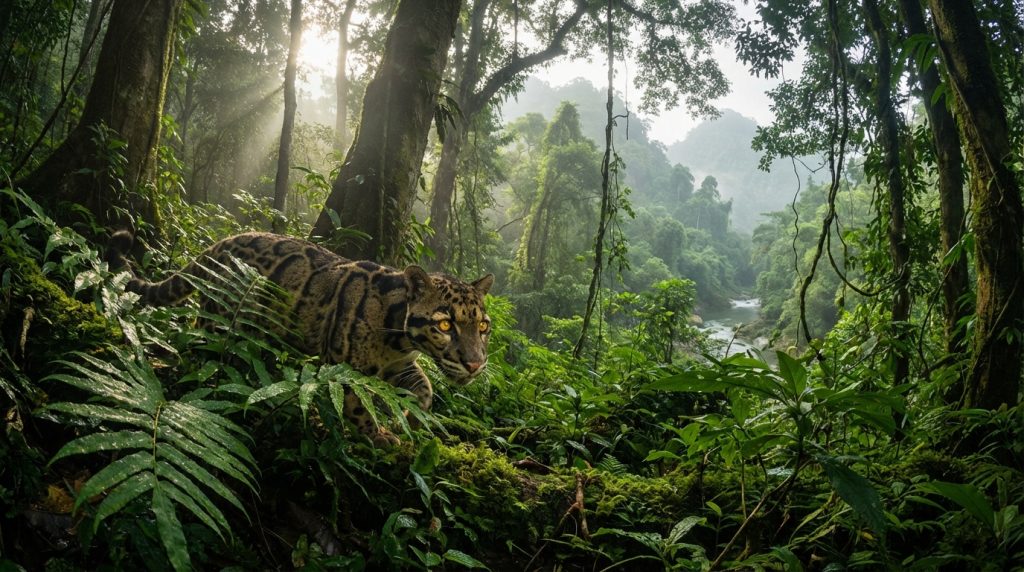
Vietnam’s national parks are treasures. They hold immense biodiversity. Yet, many ecosystems are unbalanced. This imbalance often stems from the absence of top predators. Reintroducing these apex animals could be transformative. It offers a path to restoring natural ecological processes. This article explores the potential benefits and challenges of rewilding VN national parks by restoring top predators.

The Crucial Role of Top Predators
Top predators are vital. They sit at the apex of the food chain. Their presence regulates prey populations. This prevents overgrazing. It also maintains plant diversity. Furthermore, predators influence animal behavior. This can lead to healthier habitats. For example, fear of predators can deter prey from over-consuming certain areas. This creates refuges for other species. Therefore, their absence creates a trophic cascade effect.
Understanding Trophic Cascades
A trophic cascade is a chain reaction. It starts at the top of the food web. It moves downwards. When a top predator is removed, prey populations can explode. This leads to overconsumption of plants. Consequently, herbivore diversity may decrease. Habitat structure also changes. This can impact many other species. Restoring predators can reverse these effects. It helps re-establish a balanced ecosystem. This is essential for long-term ecological health. For instance, the reintroduction of wolves in Yellowstone National Park showed dramatic positive effects.
Past Losses and Present Needs in Vietnam
Historically, Vietnam was home to diverse large carnivores. These included tigers, leopards, and bears. However, habitat loss and poaching have decimated these populations. Many are now critically endangered or locally extinct. This loss has had profound ecological consequences. For example, deer and boar populations have likely increased unchecked in some areas. This puts pressure on vegetation. It also affects forest regeneration. Therefore, reintroduction is becoming a serious consideration.
Benefits of Rewilding with Top Predators
Restoring top predators offers numerous advantages. Firstly, it enhances biodiversity. Healthier ecosystems support more species. Secondly, it improves habitat quality. Predators create varied landscapes. This benefits numerous plants and animals. Thirdly, it can boost tourism. Wildlife viewing is a major draw. Finally, it strengthens ecological resilience. Robust ecosystems are better equipped to handle change. They can better withstand diseases and climate shifts.
Biodiversity Enhancement
The return of predators can have a ripple effect. It allows for the recovery of vulnerable prey species. It also encourages the growth of specific plant communities. These, in turn, support other insects and birds. Overall, the ecosystem becomes richer and more complex. This is a hallmark of a healthy natural environment. For example, a modern zoo’s role in preservation often includes breeding programs for species targeted for reintroduction.
Habitat Improvement
Top predators influence the physical structure of their environment. They can manage vegetation density. This prevents monocultures. It also promotes a mosaic of habitats. These diverse habitats are crucial for many species. For instance, open grasslands created by grazing prey managed by predators can support different bird species.
Economic Opportunities
Rewilded areas with thriving wildlife can attract ecotourism. This creates local jobs and revenue. It provides an economic incentive for conservation. Sustainable tourism can fund park management. It also raises public awareness. However, careful management is needed. Over-tourism can harm delicate ecosystems.
Challenges and Considerations
Rewilding is not without its hurdles. Human-wildlife conflict is a major concern. Predators may prey on livestock. This can lead to opposition from local communities. Furthermore, securing sufficient prey populations is essential. Predators need a stable food source. Habitat suitability is another factor. Parks must be large enough. They also need to be free from excessive human disturbance. Ethical considerations regarding animal welfare are also paramount.
Human-Wildlife Conflict Mitigation
Addressing conflict requires proactive strategies. This includes community engagement. Educating locals about predator importance is key. Compensation schemes for livestock losses can help. Also, implementing deterrents like guard dogs or improved fencing is vital. Building wildlife corridors is also important. These allow animals to move safely between protected areas. You can learn more about wildlife corridors in Vietnam.
Prey Base Adequacy
A robust prey population is non-negotiable. Without enough food, predators cannot thrive. This requires managing herbivore populations. It also means protecting their food sources. Monitoring prey numbers is crucial. This ensures a sustainable food web. A lack of adequate prey is a common reason for reintroduction failure.
Habitat Connectivity and Size
National parks need to be large enough. They must support viable predator populations. They also need to be connected. This allows for genetic diversity. It prevents inbreeding. Habitat fragmentation is a significant threat. It isolates animal populations. Therefore, creating connected landscapes is vital for success. This is where initiatives like wildlife bridges become critical.
Potential Top Predators for Vietnam’s Parks
Several species could be candidates. Tigers (Panthera tigris) are iconic. Their reintroduction would be a major achievement. Clouded leopards (Neofelis nebulosa) are also key. Sun bears (Helarctos malayanus) play a role. Dholes (Cuon alpinus), or Asian wild dogs, are social predators. Each has a unique ecological niche. Their suitability depends on specific park conditions.
The Case for Tigers
Tigers are apex predators. They are crucial for forest health. Their presence indicates a healthy ecosystem. However, they require vast territories. They also need a substantial prey base. Reintroducing tigers would be complex. It requires extensive planning and resources. It also needs strong anti-poaching measures.
Clouded Leopards and Dholes
Clouded leopards are agile climbers. They prey on arboreal mammals. Dholes are pack hunters. They can take down larger prey. Both play important roles. They help regulate populations of medium-sized animals. Their reintroduction might be more feasible in certain areas.
Rewilding Strategies and Technologies
Successful reintroduction requires careful planning. It involves several steps. Firstly, habitat assessment and restoration are key. Secondly, establishing a strong prey base is essential. Thirdly, animal acquisition and translocation are needed. These animals often come from breeding programs or other wild populations. Finally, post-release monitoring is critical. This uses technologies like GPS collars and camera traps.
Monitoring and Research
Advanced technologies aid monitoring. GPS trackers help understand animal movement. Camera traps provide data on population size and behavior. Genetic analysis ensures population health. This data is invaluable for adaptive management. It allows conservationists to adjust strategies. For example, understanding animal movements helps identify conflict hotspots. Such data is crucial for using biometrics in wildlife research.
The Role of Policy Makers and Biologists
Policy makers and biologists must collaborate. This partnership is vital for success. Biologists provide scientific expertise. They assess feasibility and ecological needs. Policy makers create the legal framework. They secure funding and ensure public support. Clear policies are needed. These should address land use, human-wildlife conflict, and funding. International cooperation may also be necessary. This is especially true for transboundary species.
Community Involvement is Key
Engaging local communities is paramount. Their support is essential. Rewilding efforts must benefit them. This can be through ecotourism or sustainable resource management. Ignoring local needs can lead to failure. Therefore, inclusive planning is a must. This builds trust and fosters long-term stewardship.
Conclusion: A Vision for a Wilder Vietnam
Rewilding Vietnam’s national parks with top predators is ambitious. It is also potentially very rewarding. It offers a chance to restore natural balance. It can enhance biodiversity and ecological resilience. While challenges exist, they are not insurmountable. With careful planning, scientific expertise, and strong policy support, Vietnam can embrace a wilder future. This vision benefits both nature and people. Ultimately, it’s about ensuring a healthy planet for generations to come.
Frequently Asked Questions (FAQ)
What are the primary benefits of reintroducing top predators?
The main benefits include enhanced biodiversity, improved habitat quality through natural regulation of prey populations, increased ecosystem resilience, and potential for ecotourism revenue. For instance, their presence can prevent overgrazing and promote diverse plant life.
What are the biggest challenges in reintroducing predators to Vietnamese national parks?
Key challenges include human-wildlife conflict, ensuring an adequate prey base, securing sufficient and connected habitat, poaching threats, and gaining public acceptance and support from local communities. Overcoming these requires careful planning and mitigation strategies.
Which top predators are most suitable for reintroduction in Vietnam?
Potential candidates include tigers, clouded leopards, sun bears, and dholes. The suitability of each species depends on the specific ecosystem characteristics of individual national parks, such as prey availability and habitat size.
How can human-wildlife conflict be managed effectively?
Effective management involves community engagement and education, compensation for livestock losses, employing deterrents like guard dogs or fencing, and establishing safe wildlife corridors. Proactive strategies are crucial for coexistence.
What role does technology play in rewilding efforts?
Technology is vital for monitoring reintroduced animals. This includes GPS tracking collars to understand movement patterns, camera traps for population assessment, and genetic analysis for health monitoring. AI-powered biometrics also assist in individual animal tracking.
Why is community involvement so important for rewilding projects?
Community involvement is crucial for the long-term success of rewilding. Local support ensures cooperation, reduces conflict, and can provide economic benefits through ecotourism, fostering a sense of shared responsibility for conservation efforts.