
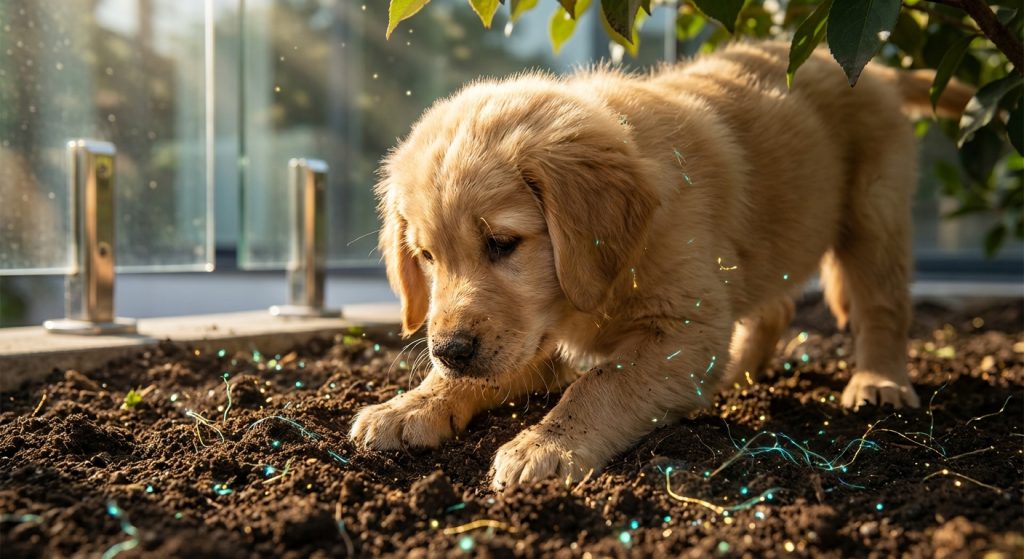
Modern life often prioritizes cleanliness. We sanitize surfaces and our hands constantly. This is especially true for our beloved pets. However, this excessive sanitization might be harming them. It could be negatively impacting their gut microbiome. The microbiome is a complex ecosystem of microorganisms. It plays a vital role in health. Therefore, understanding its needs is crucial. This article explores why a little bit of “dirt” might be good for your pet’s gut.
Many pet parents worry about germs. They want to keep their furry friends safe. This is a natural instinct. However, a sterile environment is not always a healthy one. Especially not for the gut microbiome. Your pet’s internal world thrives on diversity. It needs exposure to a variety of microbes. These microbes help train their immune system. They also aid digestion. Over-sanitizing can strip away these beneficial organisms. This can lead to imbalances. These imbalances can cause health issues.
The Crucial Role of the Gut Microbiome
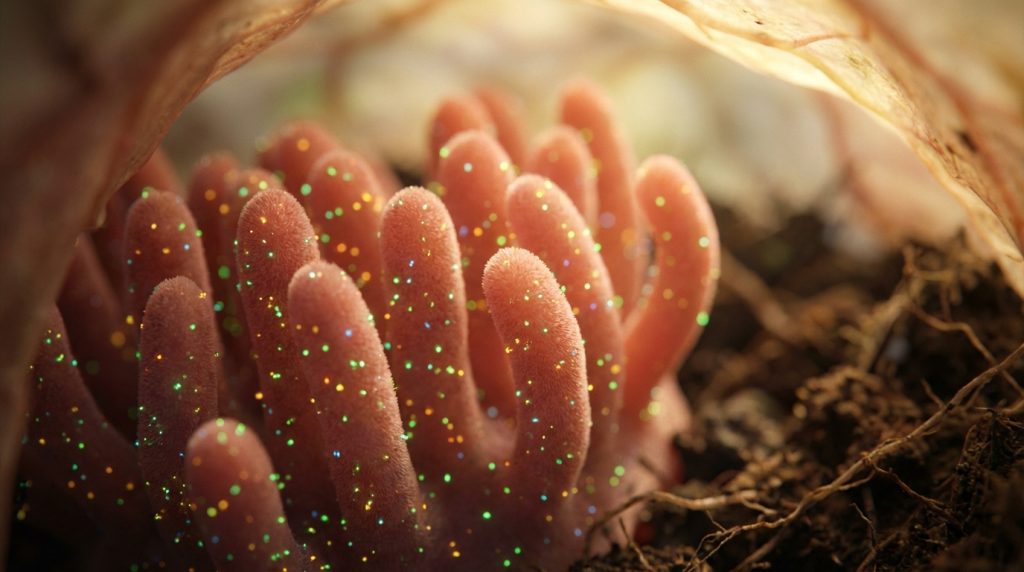
The gut microbiome is far more than just bacteria. It includes fungi, viruses, and other microscopic life. These tiny inhabitants live in your pet’s digestive tract. They perform many essential functions. For instance, they help break down food. This allows pets to absorb nutrients more effectively. Furthermore, they produce vital vitamins. These include B vitamins and vitamin K. These are essential for overall health.
Moreover, a healthy microbiome is a strong defense. It acts as a barrier against harmful pathogens. It prevents them from taking hold. It also communicates with the immune system. This helps regulate immune responses. Therefore, a balanced gut is key to a robust immune system. An imbalanced gut can lead to inflammation. It can also make pets more susceptible to illness.
Holistic veterinarians recognize this connection. They understand that gut health impacts the whole body. This includes skin health, mood, and energy levels. Therefore, they often focus on nurturing the microbiome. They look for ways to introduce beneficial microbes. They also aim to reduce factors that disrupt it.
The Sanitization Paradox
We use antibacterial soaps and disinfectants daily. We clean pet toys and bedding frequently. While this reduces some harmful microbes, it’s a double-edged sword. This constant cleaning eliminates both bad and good bacteria. Consequently, the gut loses its natural microbial diversity. This is a significant problem.
Think of it like a garden. If you only ever weed out everything that isn’t a perfect rose, you lose biodiversity. This can make the garden less resilient. Similarly, an over-sanitized pet is like a garden with very few plant species. It is more vulnerable to disease and pests. Therefore, the very act of trying to protect our pets can sometimes weaken them.
This lack of exposure can lead to a weakened immune system. It can also contribute to allergies and sensitivities. Pets may develop digestive issues more readily. Therefore, the paradox is clear: excessive cleanliness can lead to poorer health.
The Benefits of Soil Contact
Soil is a rich source of microbial diversity. It contains a vast array of bacteria, fungi, and other microorganisms. When pets interact with soil, they ingest these microbes. This exposure is not dangerous; it is beneficial. It helps to reseed and diversify their gut microbiome.
For example, exposure to soil microbes can help train a pet’s immune system. It teaches it to distinguish between friend and foe. This can reduce the likelihood of developing allergies and autoimmune conditions later in life. Furthermore, certain soil microbes can produce beneficial compounds. These can support gut health directly.
This is why pets that spend more time outdoors often seem healthier. They have more opportunities to interact with their natural environment. This includes sniffing plants, digging, and yes, even rolling in the dirt. This natural exploration is vital for their well-being. It is a form of ecological therapy for their internal ecosystem.
Encouraging Healthy Dirt Exposure
How can pet parents encourage this beneficial contact safely? It’s about finding a balance. You don’t need to let your pet eat dirt indiscriminately. However, allowing supervised outdoor playtime is essential. Walks in natural areas are excellent. Visiting parks or hiking trails exposes them to diverse environments. Consider a “digging pit” in your yard. You can fill it with clean soil and pet-safe plants.
Allowing them to sniff and explore is crucial. Their noses are designed to gather information about their surroundings. This includes microbial information. Therefore, let them be curious! Avoid over-bathing them. Frequent bathing with harsh shampoos can strip natural oils and microbes from their skin and fur. This also contributes to a less diverse microbial environment.
Soil-Based Probiotics?
Some research suggests that soil-based organisms (SBOs) can be beneficial for pets. These are naturally occurring microbes found in soil. They are distinct from the more common dairy-based probiotics. SBOs are known for their resilience. They can survive the harsh conditions of the stomach. They can then populate the gut. This can help restore microbial balance. However, it’s always best to consult a holistic veterinarian before administering any supplements.
Holistic Veterinary Perspectives
Holistic veterinarians often advocate for a more natural approach to pet health. They look at the entire animal. They consider its environment and lifestyle. For them, the gut microbiome is central to wellness. They may recommend dietary changes. These often include whole foods and prebiotics. Prebiotics are food for beneficial bacteria.
They might also suggest probiotics. These introduce beneficial microbes directly. But they also emphasize environmental factors. For example, they encourage outdoor access. They understand that exposure to a natural environment is therapeutic. It’s not just about avoiding illness. It’s about promoting robust health. This includes a diverse and resilient microbiome. This is why a connection to soil is often seen as a positive factor.
This perspective aligns with the concept of “One Health”. This is the idea that the health of people, animals, and the environment are interconnected. Protecting natural environments benefits animal health. It also, in turn, benefits human health. You can learn more about the One Health approach and its importance.
Diet and Gut Health
Diet plays a massive role in shaping the gut microbiome. Highly processed pet foods often lack the diversity and fiber needed for a healthy gut. They can contribute to inflammation and dysbiosis (microbial imbalance).
Conversely, a diet rich in whole foods, fiber, and diverse nutrients can support a thriving microbiome. This includes fresh vegetables, fruits, and lean proteins. Some holistic vets recommend raw or gently cooked diets. These often contain more natural enzymes and nutrients. They can be more bioavailable. For instance, exploring advancements in pet nutrition science beyond kibble is a good step.
Adding fermented foods can also be beneficial. These include plain, unsweetened yogurt (ensure it’s pet-safe) or kefir. These introduce beneficial bacteria. They also provide prebiotics. Therefore, a balanced diet is a cornerstone of gut health. It works in synergy with environmental exposures.
When to Worry: Signs of Gut Imbalance
While encouraging natural exposure is good, it’s important to recognize when there might be a problem. Signs of an imbalanced gut microbiome can include:
- Chronic diarrhea or constipation
- Vomiting
- Excessive gas
- Poor appetite
- Unexplained weight loss
- Skin issues like itching or rashes
- Lethargy or lack of energy
- Behavioral changes
If you notice any of these symptoms, consult your veterinarian. They can help diagnose the underlying cause. They can also recommend appropriate treatments. This might involve dietary changes or specific supplements. Sometimes, it may require more advanced diagnostics. For example, advanced veterinary imaging can help assess internal health.
Conclusion: Embracing a Balanced Approach
In conclusion, while cleanliness is important, extreme sanitization can be detrimental to your pet’s gut health. The modern pet often lives a life too sterile for optimal microbial development. Allowing controlled exposure to natural environments, including soil, can significantly benefit their microbiome. This, in turn, supports a stronger immune system and overall well-being.
As pet parents and advocates for holistic health, we should aim for balance. Encourage outdoor exploration. Feed a species-appropriate, nutrient-rich diet. Consult with veterinarians who understand the importance of the microbiome. By doing so, we can help our pets thrive. We can support their internal ecosystems. This leads to a happier, healthier life for them.
Frequently Asked Questions (FAQ)
Is it safe for my dog to eat dirt?
While small amounts of dirt ingested during normal play are generally harmless for most dogs and can even be beneficial for their microbiome, large quantities or contaminated soil can pose risks. Always supervise your pet outdoors and consult your veterinarian if you have concerns about their soil consumption.
How can I introduce more beneficial microbes to my pet’s diet without soil contact?
You can introduce beneficial microbes through a balanced diet rich in fiber and prebiotics, or by offering pet-specific probiotics and fermented foods like plain kefir (ensure it’s pet-safe and unsweetened). Always discuss any new supplements with your veterinarian.
What are the signs that my pet’s gut microbiome is unbalanced?
Signs of an unbalanced gut microbiome can include digestive issues like diarrhea or constipation, vomiting, excessive gas, changes in appetite or weight, skin problems, lethargy, and behavioral changes. If you notice these symptoms, seek veterinary advice.
Are there any risks associated with pets having too much soil contact?
Yes, there can be risks. Contaminated soil might contain parasites, harmful bacteria, or toxins. Also, excessive ingestion could lead to gastrointestinal blockages. It’s important to ensure supervised exposure to clean, natural environments.
Can my indoor cat benefit from soil exposure?
While indoor cats have fewer opportunities for natural soil exposure, you can still support their gut health. Consider introducing pet-safe plants in your home that they can interact with, or offer probiotic supplements recommended by your vet. Maintaining a diverse diet is also key.
