Primate Minds: Unlocking Cognitive Depths in Vietnam
Published on February 7, 2026 by Admin
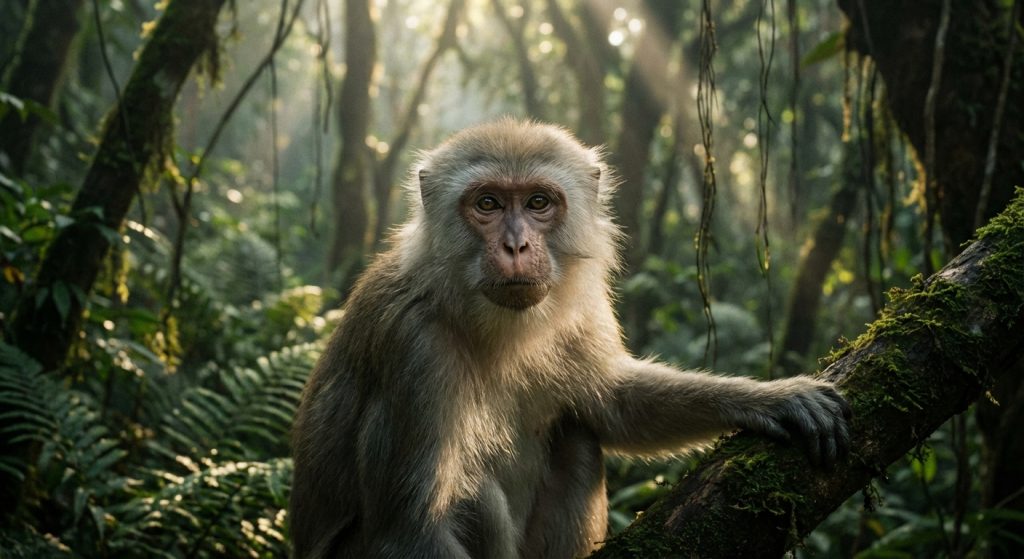
Primate psychology is a fascinating field. It delves into the complex minds of our closest relatives. Understanding their cognitive abilities offers profound insights. This is especially true when studying primates in diverse environments like Vietnam. These intelligent beings exhibit remarkable problem-solving skills. They also show sophisticated social structures. Furthermore, they demonstrate complex communication methods. These findings challenge our understanding of non-human intelligence. Therefore, ethologists and animal behaviorists are increasingly focused on primate cognition.
Vietnam is a biodiversity hotspot. It hosts several primate species. These include langurs, macaques, and lorises. Each species possesses unique cognitive adaptations. These are shaped by their specific ecological niches. Studying them provides a window into evolutionary psychology. It also highlights conservation needs. Many of these primates face significant threats. Habitat loss is a major concern. Illegal trade also poses a serious risk. Thus, understanding their minds is vital for their protection.
The Cognitive Toolkit of Primates
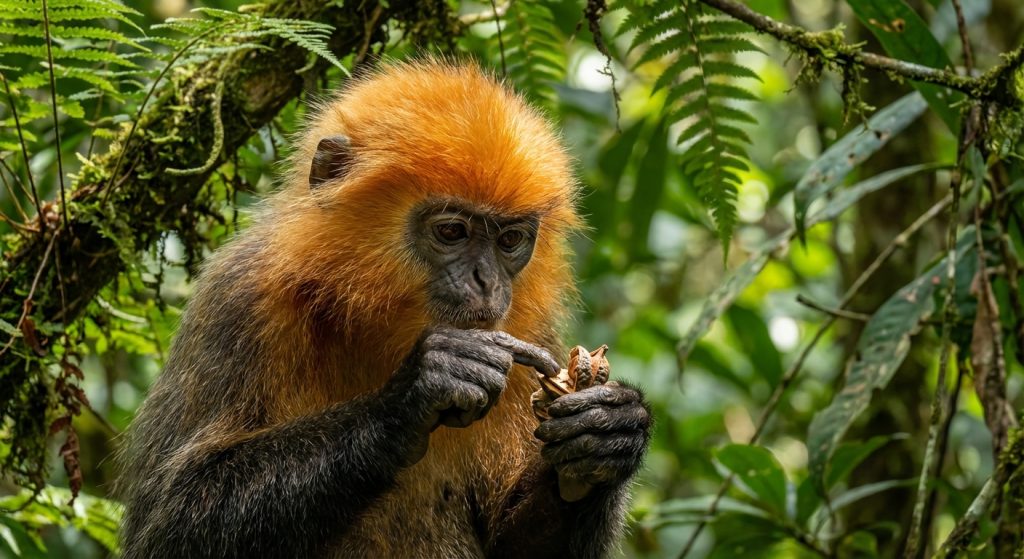
Primates possess a remarkable cognitive toolkit. This includes advanced memory capabilities. They also exhibit impressive learning abilities. Tool use is another hallmark. Many primate species fashion and use tools. This suggests foresight and planning. For instance, some chimpanzees use sticks to extract termites. Others use stones to crack nuts. These actions are not merely instinctual. They often involve learned behaviors. Social learning plays a crucial role. Young primates learn by observing their elders. This transmission of knowledge is key to cultural development.
Furthermore, primates demonstrate complex social intelligence. They navigate intricate social hierarchies. They form alliances and friendships. They also engage in deception and reconciliation. These social dynamics require sophisticated cognitive processing. Understanding these interactions is central to animal psychology. It helps us grasp the evolution of social behavior. It also sheds light on the roots of human sociality. The ability to understand others’ intentions is key. This is known as theory of mind. Evidence for this is emerging in primate studies.
Social Learning and Cultural Transmission
Social learning is paramount in primate societies. It allows for rapid adaptation. It also enables the spread of innovations. For example, a new foraging technique might emerge. It can then spread through a group. This happens via observation and imitation. This is a form of cultural transmission. It is not limited to tool use. It extends to social behaviors. Grooming techniques can be learned. Vocalizations can also be culturally transmitted. This diversity in learned behaviors is striking. It highlights the cognitive flexibility of primates.
In Vietnam, specific primate populations show unique learned behaviors. These are often tied to local food sources. For instance, different macaque groups may have distinct foraging strategies. One group might be adept at cracking hard-shelled fruits. Another might specialize in catching small prey. This variation underscores the importance of environment. It also emphasizes the role of social learning. Understanding these cultural differences is important. It helps conserve genetic diversity. It also preserves unique behavioral traditions. You can learn more about animal minds and their cognitive depths in our other articles.
Problem-Solving Prowess
Primates excel at problem-solving. This is evident in their foraging behaviors. They devise strategies to access difficult food. They also overcome environmental challenges. Studies using puzzle boxes show their capabilities. Primates can learn complex sequences. They can also adapt their strategies. This flexibility is a testament to their cognitive abilities. It demonstrates a capacity for flexible thinking. This is not limited to simple rewards. They can also solve problems for social gain. For example, gaining access to a desirable mate.
The study of primate cognition is ongoing. New research constantly reveals more. Scientists use various methods. These include observational studies and controlled experiments. Cognitive tasks are designed to test specific abilities. These might involve spatial reasoning or memory recall. They might also test understanding of cause and effect. The results consistently show high levels of cognitive function. This is true across many primate species. It suggests a shared evolutionary heritage of intelligence.
Tool Use in Vietnamese Primates
Tool use is a fascinating area of primate cognition. In Vietnam, certain species exhibit this. For instance, some macaque species use stones. They use these to open shellfish. This requires significant dexterity and planning. They must select the right stone. They must also position the shellfish correctly. This is a learned behavior. It is passed down through generations. Therefore, it represents a form of technology. This technology is adapted to their environment. It allows them to exploit new food resources. This is a significant cognitive achievement.
Furthermore, the development of tool use is gradual. It shows a progression from simple to complex. This suggests a capacity for innovation. It also points to a long-term evolutionary trajectory. The study of tool use helps us understand intelligence. It moves beyond abstract reasoning. It focuses on practical application. This is a key aspect of primate cognition. It is a vital area for ethologists to explore.
Communication and Social Bonds
Primate communication is rich and complex. It involves vocalizations, gestures, and facial expressions. These signals convey a range of information. They communicate warnings, greetings, and social status. For example, different alarm calls can alert others. These calls can specify the type of predator. This level of detail is impressive. It shows a sophisticated understanding of the environment. It also demonstrates social coordination. The ability to share information is crucial for survival.
Social bonds are central to primate life. They are maintained through various interactions. Grooming is a key activity. It strengthens social ties. It also reduces tension within groups. Play is also important. It helps young primates learn social skills. It also develops physical coordination. These social interactions require emotional intelligence. Primates can recognize individuals. They can also remember past interactions. This social memory is vital for managing relationships.
Emotional Intelligence in Primates
Emotional intelligence is a critical component of primate cognition. Primates display a range of emotions. They can express happiness, fear, and anger. They also show empathy and consolation. For example, after a conflict, individuals may reconcile. They may groom each other. This reduces aggression. It restores social harmony. This ability to manage emotions is key. It underpins their complex social systems. It also contributes to group cohesion. Understanding primate emotions is a sensitive area. It requires careful observation and interpretation.
The study of animal emotions is challenging. However, evidence suggests primates experience rich emotional lives. This is important for their welfare. It also informs our ethical considerations. Recognizing their emotional depth is paramount. It helps us appreciate their sentience. You can learn more about animal psychology and understanding their cognitive depths in our related content.
Conservation and Cognitive Research
Research into primate cognition has direct conservation implications. Understanding their needs is vital. It helps us design effective conservation strategies. For instance, knowing their social structures can inform habitat management. It can help create corridors that support social interaction. It can also highlight the importance of group cohesion. This is especially true for social species. Protecting their complex social lives is crucial. It ensures their long-term survival.
Moreover, understanding primate intelligence can foster greater appreciation. It can highlight their sentience. This can lead to increased public support for conservation efforts. It can also influence policy decisions. Recognizing their cognitive depth is a powerful argument. It underscores their intrinsic value. It also emphasizes our responsibility to protect them. This is particularly relevant in places like Vietnam. The country’s unique primate populations need our attention. Their cognitive abilities are a treasure worth preserving.
Challenges in Studying Primate Cognition
Studying primate cognition in the wild presents challenges. It requires extensive fieldwork. It also demands specialized expertise. Observing natural behaviors can be difficult. Factors like dense vegetation can hinder observation. Furthermore, ethical considerations are paramount. Research must not harm the animals. It must minimize disturbance to their natural lives. Therefore, non-invasive methods are preferred. These might include remote sensing or camera traps. They can also involve careful behavioral observation. The goal is always to learn without interference.
Controlled studies in semi-natural or captive environments offer alternatives. These allow for more precise testing. However, they may not fully replicate wild conditions. Therefore, a combination of approaches is often best. This provides a more comprehensive understanding. It balances ecological validity with experimental control. For Vietnam’s primates, this dual approach is essential. It helps us understand their minds. It also aids in their protection.
Frequently Asked Questions
What makes primate cognition so special?
Primates exhibit advanced cognitive abilities. These include complex social intelligence, tool use, problem-solving skills, and sophisticated communication. Their capacity for social learning and cultural transmission is also remarkable.
How does the environment in Vietnam influence primate psychology?
Vietnam’s diverse ecosystems shape primate cognitive adaptations. Different species develop unique foraging strategies, social structures, and communication methods suited to their specific habitats. Social learning plays a key role in passing down these adaptations.
Why is understanding primate cognition important for conservation?
Knowing how primates think and interact helps conservationists design effective strategies. It informs habitat management, the creation of wildlife corridors, and the protection of their complex social lives. It also raises awareness about their sentience and need for protection.
Are there specific cognitive tests used for primates?
Yes, researchers use various cognitive tasks. These can include puzzle boxes for problem-solving, tests of memory recall, spatial reasoning tasks, and assessments of social understanding like theory of mind. Observational studies also provide rich data.
What are the main threats to primates in Vietnam?
The primary threats include habitat loss due to deforestation and development, and illegal wildlife trade. These factors directly impact their ability to survive and thrive, making cognitive research crucial for their protection.
Conclusion
The study of primate psychology in Vietnam offers a unique lens. It reveals the intricate cognitive depths of these remarkable animals. From sophisticated tool use to complex social bonds, their minds are a testament to evolution. Understanding their intelligence is not just an academic pursuit. It is fundamental to their survival. As ethologists and animal behaviorists, we must continue this vital work. We need to advocate for their protection. We must ensure their habitats are preserved. By appreciating their cognitive richness, we can better safeguard their future. This is a shared responsibility. It is essential for biodiversity. It is also key for a more compassionate world.