
Avian Flu Mutations: Veterinary Containment Strategies
Published on December 25, 2025 by Admin
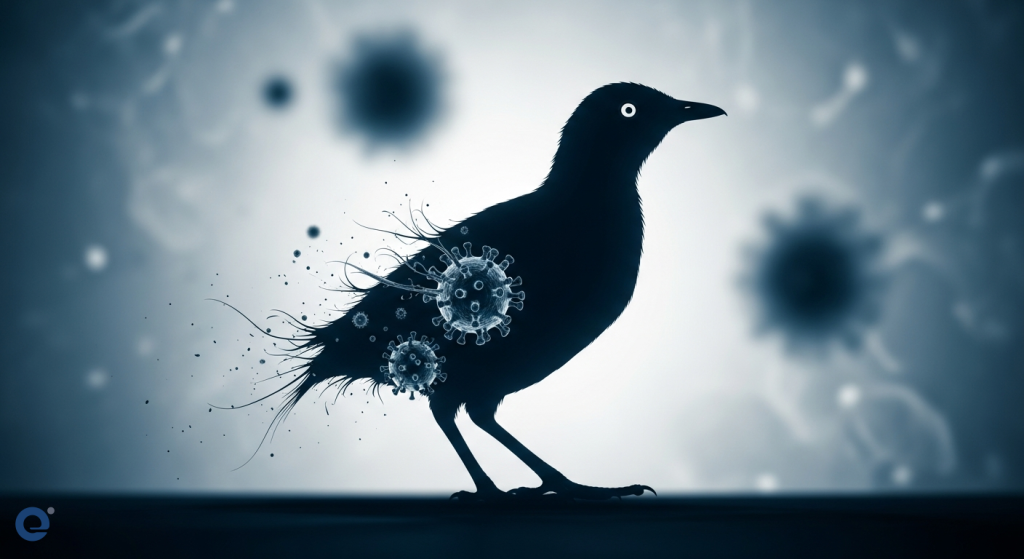
Avian influenza, commonly known as bird flu, is a persistent threat to both animal and human health. This highly pathogenic avian influenza (HPAI) is caused by Type A influenza viruses. As this virus continues to circulate globally, understanding its mutations is paramount for effective disease containment. Veterinary efforts play a crucial role in this ongoing battle. Therefore, this article delves into the complexities of avian flu mutations and the veterinary strategies employed to keep this disease in check.
The Evolving Threat of Avian Influenza
The current epizootic of highly pathogenic avian influenza (HPAI), specifically avian influenza type A H5N1, has been spreading globally for several years. A new variant, the clade 2.3.4.4b viruses, is particularly concerning due to its ability to jump to new animal species, including humans. This virus is widespread in wild birds worldwide. It has also caused outbreaks in poultry and, more recently, in U.S. dairy cows. Sporadic human cases have been reported in U.S. dairy and poultry workers.
The complexity of HPAI outbreaks necessitates a coordinated “One Health” response. This approach integrates animal health, human health, and environmental stewardship. Because H5N1 circulates among wild and migratory birds, its knack for infecting a broad range of mammalian species is a significant concern. The associated morbidity and mortality rates are also worrying.
Why Mutations Matter
Experts worry that H5N1 will eventually mutate into a lethal strain capable of human-to-human transmission. Such a development could trigger another pandemic. However, the Centers for Disease Control and Prevention (CDC) reports that the current risk to individual and population health remains low. This risk has not significantly changed from previous assessments. For example, a similar H5N1 virus caused an outbreak among mink in Spain in 2023. The virus strain found in dairy cows in the U.S. might only need one mutation to spread among humans, according to a study published in the journal Science. “The longer this virus circulates unchecked, the higher the likelihood it will acquire the mutations needed to cause a pandemic. We need to act urgently to prevent this scenario,” warned Dr. Les Sims, a veterinary consultant with extensive international experience. This underscores the critical need for swift and decisive veterinary action.
Veterinary Surveillance and Detection
Veterinary efforts are at the forefront of detecting and monitoring avian flu. This includes rigorous surveillance programs in both wild and domestic bird populations. Early detection is key to preventing widespread outbreaks. Furthermore, the ability to identify novel strains and their characteristics is crucial for developing effective containment strategies.
Monitoring Wild Bird Populations
Wild and migratory birds are natural reservoirs for avian influenza viruses. Therefore, monitoring these populations is essential. Tracking the presence and genetic makeup of viruses in wild birds helps predict potential spread to domestic animals and humans. This surveillance provides early warnings of emerging threats.
Poultry Health Monitoring
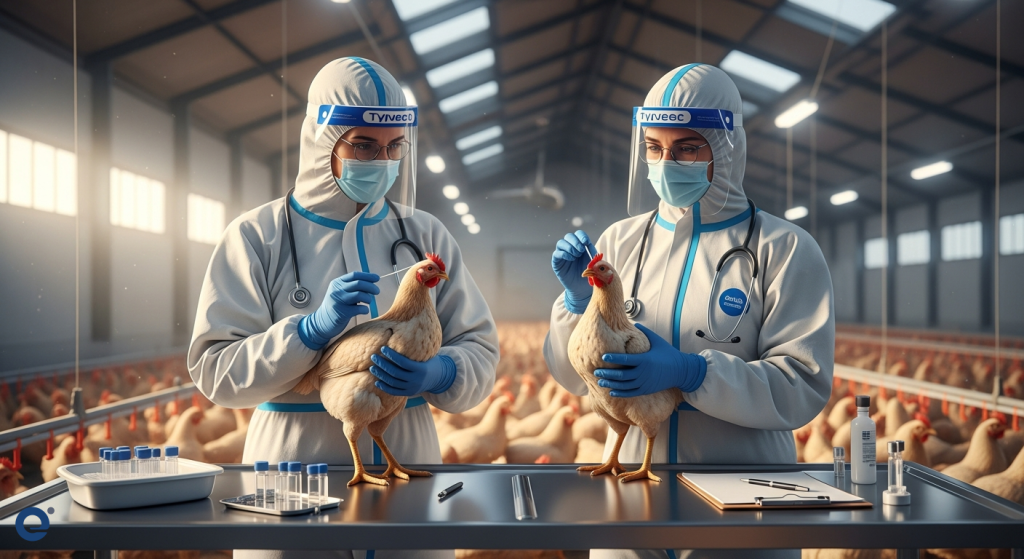
Poultry farms, from large commercial operations to small backyard flocks, are particularly vulnerable. Strict biosecurity measures are vital. Veterinary professionals work closely with farmers to implement these measures. Regular testing of poultry for avian influenza is a standard practice. This helps in the rapid identification of infected flocks. Prompt culling of infected birds is often necessary to prevent further spread.
The U.S. Department of Agriculture (USDA) plays a significant role in tracking HPAI detections in animals. Data on these detections can be found on the USDA’s website. The CDC, on the other hand, focuses on human cases and monitoring people with animal exposures. Data on the number of people monitored and tested for bird flu are reported monthly by the CDC. National flu surveillance data is updated on the first Friday of every month.
The Role of Pigs as “Mixing Vessels”
Pigs can act as “mixing vessels” for influenza viruses. Specifically, they can be infected by avian, human, and swine influenza viruses. This makes them a potential site for genetic reassortment, leading to entirely novel strains. Such reassorted viruses could have increased virulence and transmissibility across species. This represents a higher risk to people. Therefore, monitoring swine populations is also a critical component of avian flu containment.
Recent Concerns in Swine
The recent detection of H5N1 in backyard pigs in Oregon raised concerns about potential interspecies transmission. Genomic sequencing indicated that both the infected poultry and swine on the farm harbored the D1.1 genotype of H5N1. Similar sequences were found in local migratory birds. This suggests that the farm animals likely contracted the virus through contact with these birds. The farm’s setup, where poultry and swine shared water sources, housing, and equipment, may have facilitated interspecies transmission. One pig was even observed eating a dead duck prior to the outbreak.
Out of an abundance of caution, the infected pigs were euthanized. While U.S. swine producers have largely kept H5N1 at bay, the fact that pigs on this farm were infected is troubling when considering how an HPAI pandemic might begin. The American Association of Swine Veterinarians has a robust influenza surveillance program. This program monitors endemic, emerging, and novel influenza strains affecting swine. Since 2009, U.S. pork producers and swine veterinarians have actively participated in USDA’s swine influenza surveillance program. This enhances animal and public health by sharing crucial information with the CDC and other public health officials.
Emergence of New Strains and Their Implications
The emergence of new strains, like the D1.1 virus, is a significant development. This strain was recently found in cattle for the first time. Previously, D1.1 had only been detected in wild birds and poultry. Its spread to cows indicates a recent transmission event. Shortly after, Nevada reported its first human bird flu case. This case, confirmed by the CDC, involved the D1.1 strain in a dairy farm worker.
D1.1 Strain: A Closer Look
The D1.1 strain has been linked to more severe disease in humans. This includes a severe case in British Columbia and a death in Louisiana. The individuals affected had underlying health conditions. For instance, the British Columbia patient had asthma and a high BMI. The Louisiana patient was over age 65 and had pre-existing conditions. As such, the detection of D1.1 warrants increased surveillance and raises questions about potential mutations that could facilitate human-to-human transmission. Infectious disease experts emphasize that the more the virus circulates and infects new animals and people, the more opportunities there are for mutations and adaptations. This could result in a strain that is more infectious or leads to human-to-human transmission, potentially triggering a pandemic. Experts are concerned about multiple strains being transmitted from birds to cattle and then to humans.
However, there is some reassuring news. No mutations were detected in the D1.1 strain that infected Nevada cattle. These mutations would have allowed for easier transmission from one cow to another or to people. Crucially, there has been no evidence of person-to-person transmission of the virus in Nevada or any other state. Furthermore, there were no changes to the H5 hemagglutinin portion of the virus. This is significant because the hemagglutinin is the part of the virus’s external coat that helps it bind to mammalian cells. From a disease control perspective, this is reassuring. It increases confidence that cows recovered from older versions of the virus will have antibodies that can neutralize this newer D1.1 version. This is important for ongoing disease control efforts.
Veterinary Efforts in Containment
Veterinary efforts in disease containment are multi-faceted. They involve surveillance, rapid response, and the implementation of biosecurity measures. These efforts are crucial for protecting both animal and public health.
Biosecurity Measures on Farms
Implementing robust biosecurity measures on farms is a cornerstone of avian flu prevention. This includes strict protocols for animal movement, hygiene, and pest control. Disinfection of vehicles and equipment entering and leaving farms is essential. Limiting access to farm premises also helps reduce the risk of introducing the virus. For poultry farms, measures like maintaining separate areas for different age groups of birds and preventing contact with wild birds are vital.
Rapid Response and Outbreak Management
When an outbreak is detected, rapid response is critical. This involves swift isolation of infected premises. It also includes prompt culling of affected animals to prevent further spread. Veterinary authorities work with farmers to implement these measures effectively. The goal is to contain the outbreak to the smallest possible area.
The CDC is actively monitoring the situation and working with states to monitor people with animal exposures. They are using their flu surveillance systems to watch for H5 bird flu activity in people. The CDC provides regular updates on the current situation and public health recommendations.
Vaccination Strategies
While not always the primary strategy, vaccination can be a tool in avian flu containment. Vaccines can help reduce the severity of illness and viral shedding in birds. However, the development and deployment of effective vaccines for avian influenza are complex. They need to be tailored to specific strains and consider the potential for virus evolution. The effectiveness of vaccination strategies is an ongoing area of research and development.
The “One Health” Approach in Action
The interconnectedness of animal, human, and environmental health is central to managing avian flu. The “One Health” approach ensures that all relevant sectors collaborate. This collaboration is essential for effective surveillance, risk assessment, and response planning. By working together, veterinarians, public health officials, and environmental agencies can better anticipate and mitigate the impacts of avian flu.
Interdisciplinary Collaboration
Collaboration between veterinary epidemiologists, public health professionals, and wildlife biologists is crucial. This interdisciplinary approach allows for a comprehensive understanding of the virus’s spread. It also helps in developing integrated strategies for control. Sharing data and insights across these disciplines is key to staying ahead of potential outbreaks. This is similar to how understanding zoonotic diseases requires a delicate balance between human and animal health. The concept of zoonotic diseases highlights the importance of this interconnectedness.
Future Outlook and Challenges
The ongoing evolution of avian flu viruses presents a continuous challenge. The potential for mutations that enhance transmissibility or virulence remains a significant concern. Furthermore, the increasing number of animal species affected by the virus complicates containment efforts.
Adapting to Viral Evolution
Veterinary science must continually adapt to the evolving nature of avian flu. This includes developing new diagnostic tools, refining surveillance methods, and exploring novel control strategies. The ability to quickly identify and characterize new viral variants is paramount. This allows for a more targeted and effective response.
The long-term circulation of H5N1 in animal populations increases the likelihood of it acquiring mutations that could lead to a pandemic. Therefore, urgent and sustained action is needed to prevent this scenario. This includes strengthening global surveillance and response capabilities. It also involves fostering greater collaboration between all stakeholders.
Should we exterminate wild birds to control avian influenza?
Frequently Asked Questions (FAQ)
What is avian influenza (bird flu)?
Avian influenza, or bird flu, is a disease caused by infection with avian (bird) influenza Type A viruses.
What is the current risk of H5 bird flu to humans?
While the current public health risk is low, the CDC is watching the situation carefully and working with states to monitor people with animal exposures.
Why are pigs considered “mixing vessels” for influenza viruses?
Pigs can be infected by avian, human, and swine influenza viruses. This allows for genetic reassortment, potentially creating new, more virulent strains.
What is the significance of the D1.1 strain of bird flu?
The D1.1 strain has been detected in cattle for the first time and has been linked to more severe disease in humans, raising concerns about its potential for mutation and increased transmissibility.
What is the “One Health” approach?
The “One Health” approach is a collaborative effort that integrates animal health, human health, and environmental stewardship to address health threats.
How can poultry farmers prevent avian flu outbreaks?
Farmers can prevent outbreaks by implementing strict biosecurity measures, including hygiene protocols, limiting access to premises, and preventing contact with wild birds.
Are there vaccines for avian flu?
Vaccination can be a tool, but developing effective and strain-specific vaccines for avian influenza is complex and an ongoing area of research.
In conclusion, understanding avian flu mutations is essential for effective veterinary efforts in disease containment. Through vigilant surveillance, rapid response, robust biosecurity, and interdisciplinary collaboration, we can work to mitigate the threat posed by this evolving virus. The One Health approach remains our strongest strategy in safeguarding both animal and human populations.
