
City life is noisy. Birds living in urban environments face a constant barrage of sound. This includes traffic, construction, and human chatter. Therefore, they have had to adapt. One fascinating adaptation is how they change their songs. They are essentially learning to sing louder and at higher pitches. This helps them to be heard over the urban din. This phenomenon is a remarkable example of evolutionary adaptation.
Scientists have observed this change across many bird species. It’s not just about volume. Birds are also altering the frequency and timing of their songs. For example, many species now sing earlier in the morning. This is before the city noise reaches its peak. This proactive adjustment ensures their songs can still reach potential mates or rivals. Thus, their survival and reproductive success are maintained.
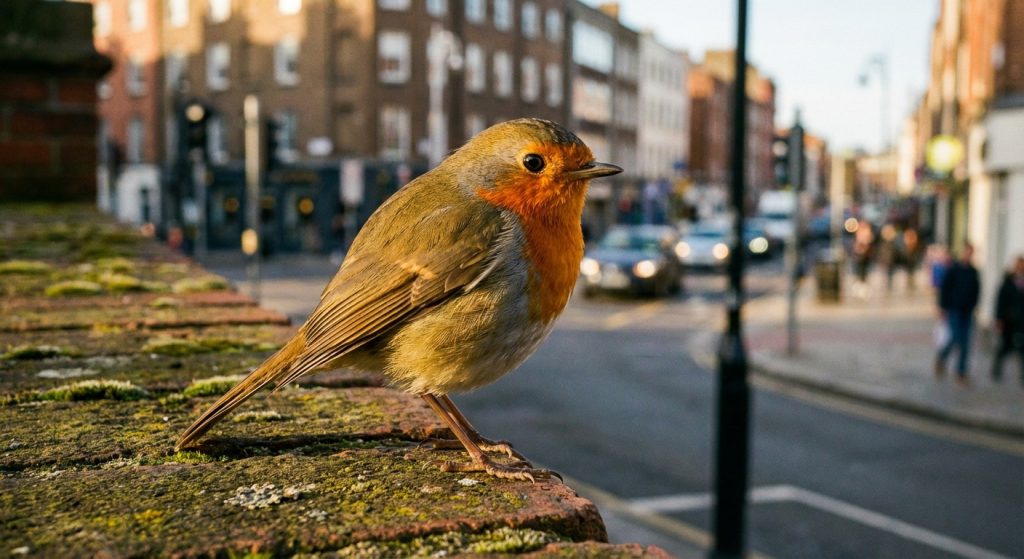
The Challenge of Urban Acoustics
Urban environments present unique acoustic challenges for birds. The constant low-frequency rumble of traffic masks many natural sounds. Therefore, birds must find ways to cut through this noise. They need their songs to be effective for communication. This includes attracting mates and defending territories. Without effective communication, their chances of survival decrease.
Furthermore, the soundscape of a city is constantly changing. This means birds need to be flexible. They cannot rely on a static song structure. They must be able to adjust their vocalizations in real-time. This requires a sophisticated level of auditory processing and vocal control.
Changes in Song Structure and Pitch
One of the most significant adaptations is the change in song pitch. Birds living in noisy areas tend to sing at a higher frequency. This is because low-frequency sounds are more easily masked by urban noise. Higher frequencies can travel further and are less likely to be drowned out. For instance, many urban Great Tits sing at a higher pitch than their rural counterparts.
Moreover, the volume of their songs has also increased. Birds are essentially turning up the volume. This is a direct response to the need to be heard. They are also shortening their songs. This makes them more concise and less likely to be interrupted by loud noises. As a result, their communication becomes more efficient.
Singing Louder to Be Heard
Simply put, urban birds are singing louder. This is a clear adaptation to overcome the overwhelming noise pollution. Studies have shown a direct correlation between noise levels and song amplitude. Therefore, areas with higher noise pollution often have birds with louder songs. This is a survival strategy in action.
However, singing louder also comes at a cost. It requires more energy. Birds have to expend more effort to produce these amplified sounds. This can impact their overall energy reserves. Yet, for survival, it is a necessary trade-off. It ensures their message gets across.
Shifting Song Timing
Another key adaptation is the shift in the timing of bird songs. Many urban bird species have started singing earlier in the day. This often occurs during the pre-dawn hours. This is when the urban environment is relatively quieter. By singing before the main noise pollution begins, they maximize the chances of their songs being heard.
This temporal adjustment is crucial. It allows them to engage in vital activities like mate attraction and territory defense without being drowned out. It is a clever way to exploit brief windows of acoustic opportunity. Thus, they can still fulfill their ecological roles.
Which Birds Are Adapting?
This phenomenon is not limited to a single species. Many common urban birds are showing these vocal adaptations. These include:
- Sparrows
- Robins
- Great Tits
- Blackbirds
These species are often found in close proximity to humans. They have had to adapt to the human-dominated soundscape. Therefore, their songs provide clear examples of urban adaptation. It is interesting to note that species with more complex song structures may find it harder to adapt. However, even they show significant changes.
The Science Behind the Song Changes
How do birds actually change their songs? This involves changes in their vocal anatomy and neural control. They learn songs from their parents and peers. Therefore, they can learn new song patterns. This vocal plasticity is key to their adaptation. It allows them to modify their songs in response to environmental cues.
Research into how animals evolve vocalizations, like cats talking to humans, highlights the importance of frequency. Birds are doing something similar. They are adjusting their vocal frequencies to better suit their environment. This is a powerful example of natural selection at work.
Implications for Urban Ecology
The changes in bird songs have significant implications for urban ecology. Firstly, it shows that wildlife can adapt to human-altered environments. This offers hope for biodiversity conservation in cities. However, it also highlights the pressures urban environments place on wildlife. It is a double-edged sword.
Secondly, these vocal changes can affect population dynamics. If birds cannot communicate effectively, it can impact mating success and territorial defense. This can lead to population declines. Therefore, understanding these adaptations is crucial for urban conservation efforts. It helps us to create more bird-friendly cities. We can learn from how birds adapt to noise pollution. This knowledge can inform urban planning. For instance, creating quieter zones could benefit many species. You can also explore how urban wildlife corridors help animals navigate cityscapes safely.
Future Research and Conservation
Further research is needed to fully understand these adaptations. Scientists are studying the genetic basis of these changes. They are also investigating the long-term effects on bird populations. Understanding how birds perceive and react to urban noise is key. This will help in developing effective conservation strategies.
Ultimately, the singing of urban birds is a testament to their resilience. It is a beautiful example of nature’s ability to adapt. As cities continue to grow, these adaptations will become even more important. They will shape the future of urban wildlife. This is a dynamic process. It shows evolution in action.
Frequently Asked Questions (FAQ)
Why do city birds sing differently than country birds?
City birds often sing at higher pitches and louder volumes. This helps them to be heard over the constant noise of traffic and human activity. They also tend to sing earlier in the morning before noise levels peak.
Are all bird species affected by urban noise?
While many common urban birds show adaptations, the extent varies by species. Birds with more flexible vocal abilities tend to adapt more readily. However, the intense noise in cities poses a challenge to most urban bird populations.
Does singing louder use more energy for birds?
Yes, producing louder songs requires more energy. Birds must expend greater effort. This is a trade-off they make for effective communication and survival in noisy environments.
Can birds learn new songs throughout their lives?
Many bird species exhibit vocal plasticity. This means they can learn and modify their songs throughout their lives. This ability is crucial for adapting to changing environmental conditions like urban noise.
What are the long-term consequences of these song changes?
The long-term consequences are still being studied. Effective communication is vital for mating and survival. If adaptations are insufficient, it could impact population sizes. However, these changes demonstrate remarkable resilience.