The Ethics of Zoos: Virtual Futures & Conservation Hubs
Published on February 7, 2026 by Admin
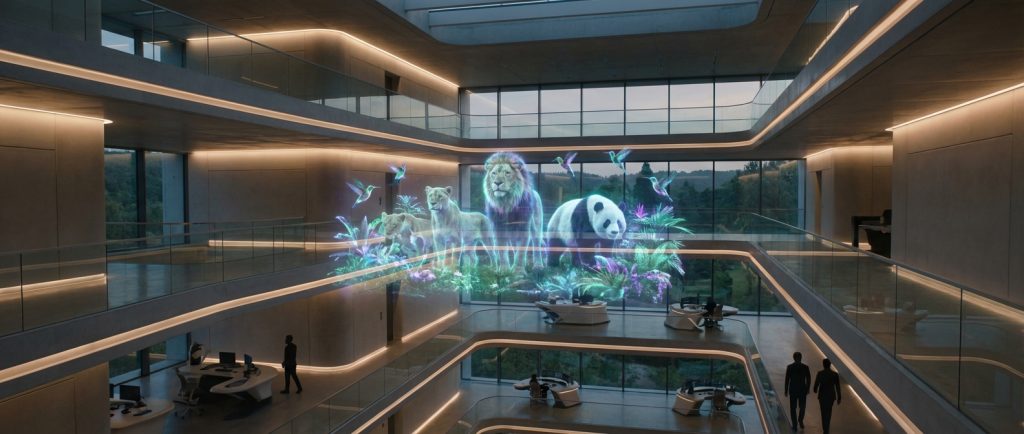
Zoos have long been places of wonder. They offer glimpses into the lives of exotic animals. However, ethical debates surround their existence. Many question if keeping animals in captivity is truly justifiable. This has led to discussions about new models. One such model is the rise of “virtual zoos.” Another is the evolution of zoos into dedicated conservation hubs.
This article explores these evolving ideas. We will examine the ethical considerations. We will also look at the potential of virtual experiences. Furthermore, we will discuss how traditional zoos can transform. The goal is to create spaces that benefit animals and conservation efforts.
The Ethical Tightrope of Traditional Zoos
Historically, zoos served dual purposes. They were centers for entertainment and education. They also played a role in species preservation. Yet, the ethical landscape has shifted significantly. Advocates for animal rights raise valid concerns. They highlight issues like limited space. They also point to the unnatural environments animals endure. Furthermore, the psychological impact of captivity is a major concern.
Animals in zoos may suffer from boredom. They can also experience stress and abnormal behaviors. These are often called “zoochosis.” This term describes repetitive, stereotypical actions. These can include pacing or head-bobbing. Such behaviors indicate an animal is not thriving. Therefore, we must consider animal welfare very carefully.
Conservation Role: A Double-Edged Sword
Zoos do contribute to conservation. They often participate in breeding programs for endangered species. These programs can help prevent extinction. For example, some species might not survive in the wild. Zoos provide a sanctuary for them. They can also conduct valuable research. This research helps us understand animal behavior and biology. This knowledge can aid conservation efforts in natural habitats.
However, the effectiveness of zoo-based conservation is debated. Critics argue that resources could be better spent. They suggest focusing on habitat preservation. This approach directly protects animals in their natural environments. It addresses the root causes of endangerment. Protecting wild spaces is crucial. It ensures ecosystems remain healthy and balanced.
The Dawn of Virtual Zoos
Technology offers new possibilities. Virtual zoos are emerging as a compelling alternative. These platforms use advanced technology. They create immersive digital experiences. Visitors can explore animal habitats virtually. They can observe animals in simulated natural settings. This offers a unique educational perspective.
Virtual zoos remove the ethical concerns of captivity. Animals are not confined. They can live freely in their natural or simulated environments. This allows for more natural behaviors. It also eliminates the stress associated with physical enclosures. Therefore, virtual zoos present a humane alternative.
Benefits of Virtual Exploration
Virtual zoos offer several advantages. Firstly, they provide global accessibility. Anyone with an internet connection can visit. This democratizes access to wildlife education. Secondly, they are highly engaging. Interactive elements can enhance learning. Visitors can learn about animal diets, behaviors, and conservation status. This can foster a deeper appreciation for wildlife.
Moreover, virtual experiences can be tailored. They can be adapted for different age groups and learning styles. This makes them powerful educational tools. They can also be used for scientific research. For instance, researchers can observe animal behavior in controlled virtual environments. This minimizes human interference. This also allows for detailed study without disturbing the animals. For example, understanding animal psychology is crucial for effective conservation.
The Transformation into Conservation Hubs
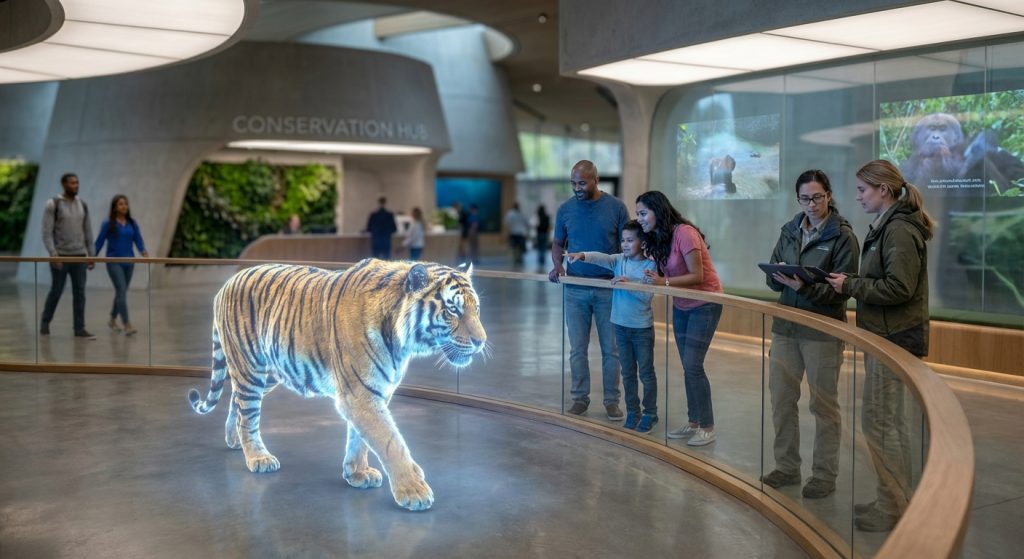
Zoos are not necessarily obsolete. Instead, they can evolve. They can transform into dedicated conservation hubs. This means shifting focus from entertainment to science and conservation. The primary mission becomes safeguarding species. It also includes restoring ecosystems.
These hubs would prioritize breeding programs. They would focus on species critically endangered. They would also conduct vital field research. Furthermore, they would act as centers for wildlife rescue and rehabilitation. This model emphasizes direct action for conservation. It moves beyond just displaying animals.
Key Features of Conservation Hubs
These evolved institutions would feature several key elements. Firstly, they would have state-of-the-art research facilities. These would support genetic studies and veterinary care. They would also facilitate habitat restoration projects. Secondly, they would serve as crucial gene banks. This is vital for preserving genetic diversity. This is particularly important for species facing extinction. Saving genetic heritage through DNA banking is a critical conservation strategy.
Thirdly, these hubs would focus on education. They would educate the public about conservation challenges. They would also inspire action. This could involve immersive exhibits. These exhibits would highlight the importance of biodiversity. They would also showcase successful conservation stories. Finally, they would collaborate with international conservation organizations. This ensures a coordinated global effort. This integrated approach is essential for success.
Bridging the Gap: Technology and Conservation
Technology plays a pivotal role in this transition. High-tech solutions can enhance conservation efforts. For instance, drones can monitor vast wildlife populations. They can also track poachers. Technology is a powerful tool against illegal wildlife trade. AI can analyze animal vocalizations. This helps in understanding species behavior. It also aids in detecting threats. GPS tracking devices provide data on animal movements. This information is vital for habitat management.
Furthermore, advancements in genetics are revolutionary. Gene editing technologies can help combat inbreeding. This is a major threat to small populations. For example, CRISPR technology offers genetic rescue for species like the Saola. These tools provide new hope for species survival. They allow for targeted interventions.
The Role of Educators and Advocates
Educators and animal rights advocates are crucial. They are at the forefront of this discussion. Educators can shape public perception. They can teach younger generations about ethics. They can also promote empathy for animals. Curricula can incorporate discussions about animal welfare. They can also highlight the importance of conservation. This fosters a generation that values animal rights.
Animal rights advocates provide a vital voice. They challenge existing practices. They push for more humane solutions. Their advocacy drives ethical progress. They encourage institutions to adopt better standards. They also champion innovative approaches like virtual zoos. Their work ensures that animal welfare remains a priority. It is essential to remember that protecting wildlife is key to preventing future pandemics.
Frequently Asked Questions (FAQ)
Are virtual zoos a complete replacement for real zoos?
Virtual zoos offer an ethical and accessible alternative for education and engagement. However, they do not fully replace the role of physical conservation hubs. Dedicated centers are still needed for breeding programs, rehabilitation, and hands-on scientific research.
What are the main ethical concerns with traditional zoos?
The primary ethical concerns include limited space for animals, unnatural environments, potential psychological distress (zoochosis), and the overall debate about keeping sentient beings in captivity for human viewing.
How can zoos transition to conservation hubs effectively?
Zoos can transition by shifting their focus from entertainment to scientific research, breeding programs for endangered species, wildlife rescue and rehabilitation, and habitat restoration initiatives. This requires a significant reorientation of resources and mission.
What is the role of technology in modern conservation?
Technology, including drones, AI, GPS tracking, and advanced genetic tools like CRISPR, plays a critical role. It aids in monitoring wildlife, combating poaching, understanding animal behavior, and implementing targeted genetic interventions for species survival.
Can virtual zoos contribute to actual conservation efforts?
Yes, virtual zoos can contribute by raising awareness and funds for conservation projects. They can also provide educational platforms that inspire public support for wildlife protection and habitat preservation. Furthermore, they can offer opportunities for citizen science initiatives.
Conclusion: A Future for Animals and Conservation
The conversation around zoos is evolving. It is moving towards more ethical and effective models. Virtual zoos offer an accessible and humane way to connect with wildlife. Simultaneously, the transformation of zoos into conservation hubs promises direct impact. These hubs can become vital centers for species survival. They can also drive scientific innovation. By embracing technology and prioritizing welfare, we can build a future. This future benefits both animals and our planet’s biodiversity. Therefore, this shift is not just an option; it is a necessity.