eDNA: Revolutionizing Endangered Species Monitoring in VN Rivers
Published on February 7, 2026 by Admin

Executive Summary: Environmental DNA (eDNA) analysis is emerging as a powerful, non-invasive tool for monitoring endangered species in Vietnam’s vital river systems. This innovative approach allows scientists and NGOs to detect the presence of rare aquatic life by analyzing genetic material shed into the water. Consequently, this offers a more efficient and comprehensive understanding of biodiversity, crucial for effective conservation strategies in Vietnam’s unique freshwater ecosystems.
The Challenge of Monitoring Aquatic Biodiversity
Vietnam boasts an incredibly rich tapestry of aquatic life. Its rivers are lifelines, supporting a vast array of species, many of which are critically endangered. However, traditional monitoring methods often fall short. They are labor-intensive, expensive, and can disturb sensitive habitats. For instance, electrofishing or netting can be intrusive. Furthermore, many elusive species are difficult to spot. This makes it challenging to accurately assess population health and distribution.
Moreover, habitat degradation and pollution pose significant threats. Understanding the extent of these impacts on endangered species is paramount. Without reliable data, conservation efforts can be misdirected. This leads to wasted resources and missed opportunities to protect vulnerable populations. Therefore, a new paradigm in monitoring is urgently needed.
Introducing Environmental DNA (eDNA)
Environmental DNA, or eDNA, refers to genetic material shed by organisms into their environment. This includes skin cells, feces, mucus, and gametes. In aquatic ecosystems, these trace amounts of DNA are suspended in the water column. eDNA analysis involves collecting water samples and then extracting and sequencing any DNA present. Sophisticated laboratory techniques can then identify the species from which the DNA originated.
This method is revolutionary because it is entirely non-invasive. Scientists simply collect water samples. They do not need to capture or even see the target species. This significantly reduces disturbance to wildlife and their habitats. Additionally, eDNA can detect species present even if they are rare or difficult to observe directly. It can also identify species that have recently left an area. This provides a more complete picture of biodiversity.
eDNA in Action: VN Rivers
The application of eDNA in Vietnam’s rivers offers immense potential. Imagine trying to find a rare freshwater turtle or an elusive fish species. Traditional methods might require days of searching. With eDNA, a single water sample could reveal its presence. This is especially valuable for species that are highly mobile or live in deep, inaccessible waters. Furthermore, eDNA can detect a wide range of organisms simultaneously. This allows for a comprehensive biodiversity assessment from a single sampling event.
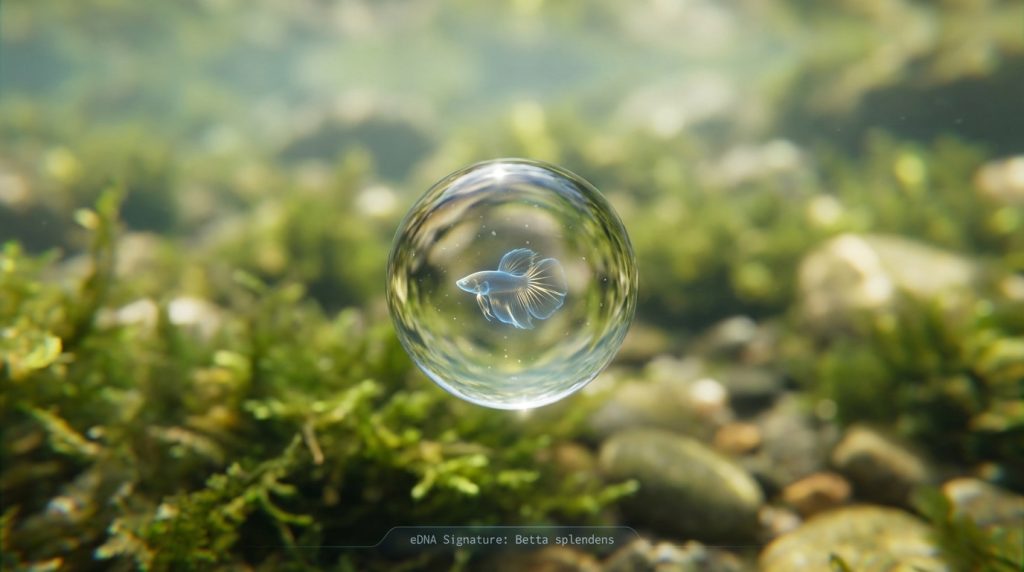
The Mekong River Delta, for example, is a biodiversity hotspot. It is home to many endemic and endangered species. However, it faces numerous environmental pressures. eDNA can help map the distribution of critically endangered species like the Mekong dolphin or various endemic fish. This information is vital for designing effective protected areas and management plans. It also helps in understanding the impact of pollution. For instance, detecting specific species’ DNA might indicate the health of the ecosystem. Conversely, a decline in certain eDNA signals could warn of environmental distress.
Advantages of eDNA for Conservation
The benefits of using eDNA in conservation efforts are numerous and significant. Firstly, it is highly sensitive. This means it can detect even very small amounts of DNA. This is crucial for finding rare or elusive species. Secondly, it is cost-effective compared to many traditional methods. While lab analysis has costs, the reduced fieldwork and increased efficiency can lead to overall savings. Thirdly, it is non-invasive. This protects both the environment and the species being studied. This aligns perfectly with the ethical considerations of conservation work.
Moreover, eDNA can provide temporal and spatial data. By sampling at different times and locations, researchers can track species movements and population changes. This dynamic understanding is essential for adaptive management. It also allows for the monitoring of invasive species. Early detection of an invasive species through eDNA can prevent widespread ecological damage. This is a critical concern in many river systems worldwide.
Specific Applications in Vietnam
In Vietnam, eDNA can be applied to monitor a variety of endangered aquatic species. This includes:
- Fish Species: Many endemic fish in Vietnamese rivers are threatened by overfishing and habitat loss. eDNA can help identify their presence and distribution, aiding in the creation of no-take zones or habitat restoration efforts.
- Amphibians and Reptiles: Several species of frogs, turtles, and crocodiles are endangered. Water samples can reveal their presence, especially for those that spend much of their lives in or near water.
- Invertebrates: Even small invertebrates like certain freshwater shrimp or mollusks, which form crucial parts of the food web, can be detected.
- Mammals: For aquatic mammals like the Mekong dolphin, eDNA offers a way to confirm their presence in areas where sightings are rare.
Furthermore, eDNA analysis can be integrated with other monitoring techniques. This provides a more robust dataset. For example, combining eDNA data with citizen science observations can enhance coverage. It can also help in assessing the impact of human activities. For instance, detecting DNA from species sensitive to pollution can serve as an indicator of water quality. This is particularly relevant given concerns about microplastics in Vietnam’s freshwater fish and their broader ecological implications.
Challenges and Future Directions
Despite its immense promise, eDNA monitoring is not without its challenges. One significant hurdle is the potential for false positives or negatives. DNA can persist in the environment for some time. This means detecting DNA doesn’t always confirm the presence of living organisms. Moreover, inhibitors in the water sample can interfere with DNA extraction. Developing standardized protocols is crucial for reliable results. Therefore, ongoing research aims to refine detection methods and improve data interpretation.
Another challenge is the cost of advanced laboratory equipment and expertise. However, as the technology becomes more widespread, costs are expected to decrease. Capacity building within Vietnam is also essential. Training local scientists and technicians in eDNA techniques will ensure long-term sustainability. Collaboration between international research institutions and Vietnamese NGOs is key here. This ensures knowledge transfer and the development of locally relevant solutions.
Looking ahead, the integration of eDNA with artificial intelligence (AI) and machine learning holds exciting possibilities. AI can help analyze vast datasets generated by eDNA sequencing. This can speed up species identification and population modeling. Furthermore, portable eDNA analysis kits could enable real-time monitoring in remote locations. This would revolutionize rapid response to conservation threats. Ultimately, the goal is to make eDNA a routine tool for biodiversity management.
The Role of NGOs and Policymakers
Non-governmental organizations (NGOs) play a pivotal role in driving the adoption of eDNA technology. They can champion pilot projects, secure funding, and advocate for policy changes. By demonstrating the effectiveness of eDNA, NGOs can encourage wider implementation. They can also facilitate partnerships between research institutions and local communities. Public awareness campaigns are also important. Educating the public about the importance of biodiversity and the innovative tools used to protect it can foster greater support for conservation.
Policymakers must also recognize the value of eDNA. Integrating eDNA data into national biodiversity assessments and environmental impact assessments is crucial. This ensures that conservation strategies are informed by the best available science. Furthermore, supporting research and development in this field is vital. This will help Vietnam remain at the forefront of aquatic biodiversity monitoring. Protecting Vietnam’s rivers is not just an environmental issue; it is essential for the nation’s ecological health and economic prosperity.
Frequently Asked Questions (FAQ)
What exactly is environmental DNA (eDNA)?
Environmental DNA (eDNA) is genetic material that organisms shed into their surroundings, such as skin cells, waste, or mucus. Analyzing this DNA in water or soil samples allows scientists to detect the presence of species without directly observing them.
How is eDNA different from traditional species monitoring methods?
Traditional methods often involve direct observation, capture, or sampling (like netting or electrofishing), which can be invasive and time-consuming. eDNA is non-invasive, can detect rare or elusive species more easily, and can identify multiple species from a single sample.
Can eDNA tell us how many individuals of a species are present?
While eDNA can indicate presence, quantifying exact population sizes is more complex. Researchers are developing methods to estimate abundance based on DNA concentration, but this is an active area of research.
What are the main challenges of using eDNA in Vietnam’s rivers?
Challenges include potential for false positives/negatives, the need for specialized lab equipment and expertise, and the cost of analysis. Standardizing protocols and building local capacity are also important.
How can eDNA help protect endangered species specifically in Vietnam?
eDNA can help map the distribution of rare fish, turtles, and mammals in Vietnamese rivers. This information guides conservation efforts like creating protected areas and understanding the impact of pollution on these species. It is a powerful tool for saving Vietnam’s genetic heritage.
Conclusion
The use of eDNA in monitoring endangered species in Vietnam’s rivers represents a significant leap forward. It offers a sensitive, non-invasive, and potentially cost-effective way to understand aquatic biodiversity. By embracing this technology, scientists and conservationists can make more informed decisions. This is crucial for protecting Vietnam’s invaluable freshwater ecosystems. As the technology advances, eDNA will undoubtedly become an indispensable tool in the global effort to conserve endangered species.