Regenerative Grazing: Animals Restoring VN’s Soil Health
Published on February 7, 2026 by Admin
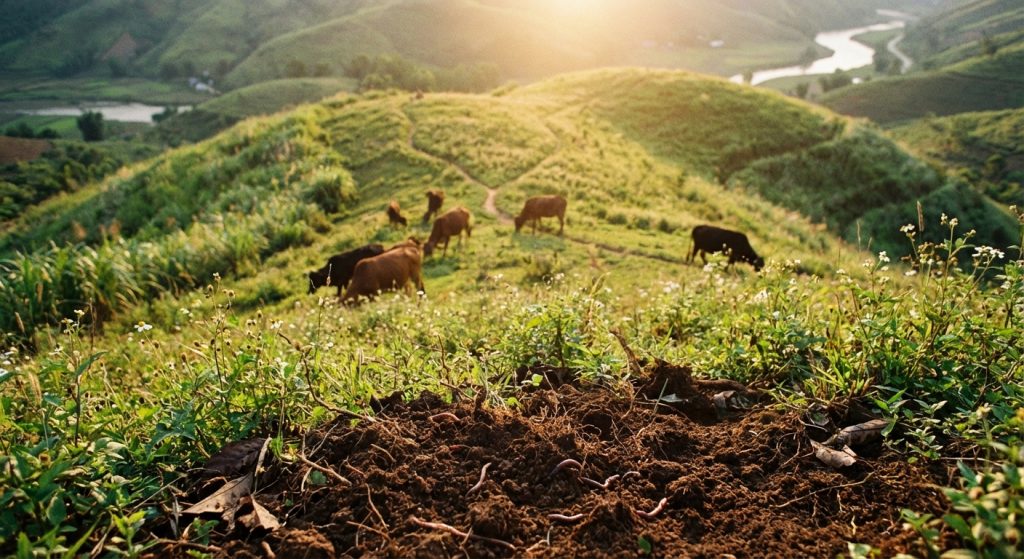
The health of our planet’s soil is foundational to our food systems and overall environmental well-being. In Vietnam, a growing movement is exploring innovative ways to revitalize this crucial resource. Regenerative grazing offers a compelling solution. It uses livestock strategically. This approach aims to heal and improve soil health naturally. It also presents significant opportunities for sustainable agriculture and responsible investment.
This article delves into regenerative grazing. We will explore its principles. We will also discuss its benefits for soil. Furthermore, we will examine its potential impact on Vietnam’s agricultural landscape. Finally, we will look at why this practice is attractive to ESG investors.
What is Regenerative Grazing?
Regenerative grazing is not just about letting animals graze. It is a holistic approach. It mimics natural patterns. Animals are managed intensively. They are moved frequently. This prevents overgrazing. It also allows plants to recover. The goal is to improve the ecosystem. This includes soil, water, and biodiversity.
Unlike conventional grazing, regenerative practices focus on building soil health. This means increasing organic matter. It also means enhancing soil structure. Furthermore, it promotes microbial life within the soil. Therefore, the land becomes more resilient.
Key Principles of Regenerative Grazing
Several core principles guide regenerative grazing. Understanding these is key to appreciating its benefits.
- Mimicking Nature: Natural grazing patterns involve large herds. These herds move often. They are driven by predators. This prevents them from staying in one place too long. Regenerative grazing replicates this.
- Rest and Recovery: After grazing, pastures are allowed to rest. This rest period is crucial. It lets plants regrow. It also allows soil to recover.
- Diversity: A variety of plants is encouraged. This supports a diverse soil microbiome. It also provides varied nutrition for livestock.
- Animal Integration: Livestock are seen as tools for ecosystem improvement. Their manure fertilizes the soil. Their grazing stimulates plant growth.
- Continuous Learning: Farmers observe their land. They adapt their practices. This ensures they are responding to the specific needs of their environment.
The Science Behind Soil Restoration
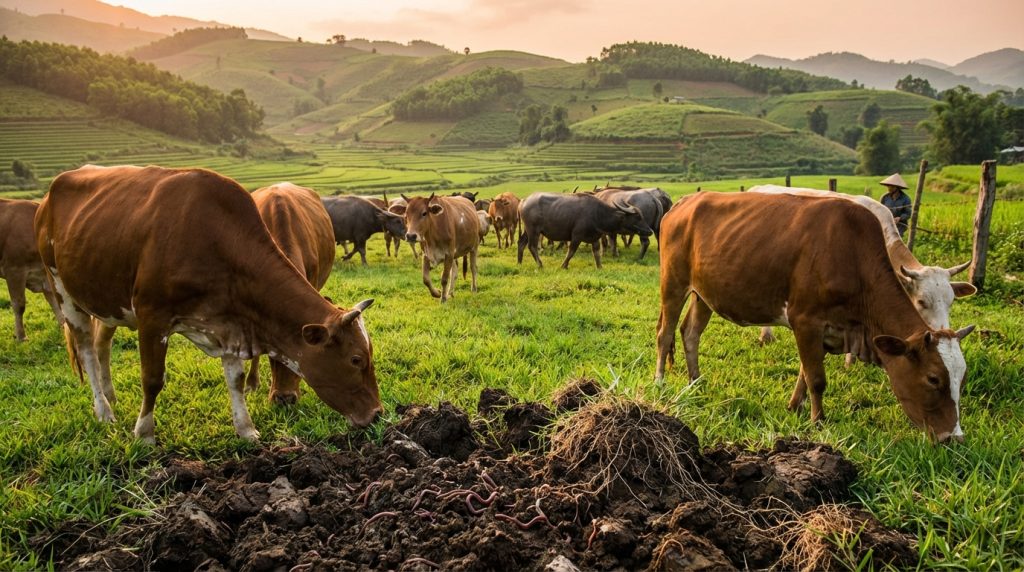
Regenerative grazing directly impacts soil health. It does so through several biological and physical processes. These processes are vital for long-term agricultural sustainability.
Boosting Soil Organic Matter
One of the most significant benefits is increased soil organic matter. Animal manure and urine add nutrients. They also add carbon to the soil. Additionally, decaying plant roots contribute organic material. Higher organic matter improves soil structure. It also increases water retention. This is very important in areas prone to drought.
Furthermore, increased organic matter acts like a sponge. It holds more water. This reduces runoff. It also improves soil aeration. Healthy soil is alive. It teems with beneficial microbes. Regenerative grazing fosters this microbial diversity.
Enhancing Soil Structure and Water Infiltration
Animal hooves, when managed correctly, can help break up compacted soil. This improves water infiltration. Water can then penetrate deeper into the soil profile. This is essential for plant root development. It also helps recharge groundwater. Conversely, overgrazing compacts soil. It also leads to erosion.
Therefore, the careful management of animal movement is critical. It ensures the benefits of hoof action are realized. It also prevents negative impacts. This careful balance is a hallmark of regenerative systems. You can learn more about the importance of healthy soil in regenerative soil science.
Carbon Sequestration
Healthy soils are significant carbon sinks. Regenerative grazing practices enhance this capacity. By increasing soil organic matter, more carbon is stored underground. This process, known as carbon sequestration, is vital. It helps mitigate climate change. It removes carbon dioxide from the atmosphere.
This offers a dual benefit. It improves soil fertility. It also contributes to global climate goals. This makes regenerative agriculture a key player in climate solutions.
Benefits for Farmers in Vietnam
For Vietnamese farmers, regenerative grazing offers a pathway to greater resilience and profitability. It addresses many common challenges faced in traditional agriculture.
Reduced Reliance on External Inputs
Regenerative systems reduce the need for synthetic fertilizers and pesticides. The animals provide natural fertilization. Healthy soil is more resistant to pests and diseases. This leads to lower input costs. It also reduces environmental pollution. Farmers can achieve more with less.
Moreover, this shift aligns with global trends. There is increasing consumer demand for sustainably produced food. Farmers adopting regenerative practices can tap into these markets. They can often command premium prices.
Improved Livestock Health and Productivity
Animals grazing on diverse, healthy pastures receive a more balanced diet. This leads to better health. It also improves productivity. Reduced reliance on costly supplements is another advantage. Healthier animals mean fewer veterinary costs. This directly impacts the farmer’s bottom line.
Indeed, the well-being of the animals is intrinsically linked to the health of the land. This holistic view is central to regenerative agriculture.
Enhanced Drought and Flood Resilience
Soils rich in organic matter absorb more water. This makes farms more resilient to drought. They can also better withstand heavy rainfall. This reduces the risk of crop failure. It provides greater stability for farmers. This is particularly important in regions like Vietnam that experience varied weather patterns.
Furthermore, improved water infiltration reduces soil erosion. This preserves valuable topsoil. It ensures the land remains productive for future generations.
Opportunities for ESG Investors
Environmental, Social, and Governance (ESG) investing is on the rise. Regenerative grazing presents a compelling investment opportunity. It aligns with key ESG principles.
Environmental Impact
Regenerative grazing directly addresses several environmental concerns. These include soil degradation, water quality, and climate change. By restoring soil health, it sequesters carbon. It also reduces the need for harmful chemicals. Furthermore, it enhances biodiversity. These positive environmental outcomes are highly attractive to ESG-focused investors.
The potential for carbon sequestration alone makes regenerative agriculture a significant climate solution. Investors are increasingly looking for ways to support such initiatives. You can find more on regenerative agribusiness and its investment potential.
Social Benefits
This practice strengthens rural communities. It provides economic stability for farmers. It also promotes healthier food production. This benefits consumers and the wider society. By supporting regenerative agriculture, investors contribute to a more equitable and sustainable food system.
Additionally, improved land health can lead to better water resources. This benefits local communities. It also supports ecosystem services. These social benefits are a crucial component of ESG value.
Governance and Transparency
Regenerative farming often involves transparent practices. Farmers are accountable for their land stewardship. There is a clear focus on measurable outcomes, such as soil organic matter content and biodiversity levels. This transparency is appealing to investors seeking to understand the real-world impact of their investments.
Moreover, the long-term, sustainable nature of regenerative practices aligns with strong governance principles. It signals a commitment to enduring value creation. This is a key differentiator for businesses and investment funds.
Challenges and the Path Forward
Despite its many benefits, regenerative grazing faces challenges. Transitioning from conventional practices requires knowledge and investment. Farmers may need training and support. Access to capital for initial setup can also be a barrier.
However, the long-term rewards are substantial. Education and demonstration farms are crucial. They can showcase the success of regenerative methods. Policy support and financial incentives can accelerate adoption. Collaboration between farmers, researchers, and investors is vital.
Vietnam has a rich agricultural heritage. Embracing regenerative grazing can help preserve and enhance this legacy. It offers a path towards a more sustainable and prosperous future for its farmers and its environment.
Frequently Asked Questions
What is the difference between regenerative grazing and conventional grazing?
Conventional grazing often focuses on maximizing animal output. It can lead to overgrazing and soil degradation. Regenerative grazing, however, prioritizes soil health and ecosystem restoration. Animals are managed to improve the land, not just to be raised on it.
Can regenerative grazing be implemented in different climates?
Yes, the principles of regenerative grazing are adaptable. While specific practices may vary based on climate and landscape, the core idea of mimicking natural grazing patterns and allowing for rest and recovery remains universal.
What are the economic benefits for farmers adopting regenerative grazing?
Farmers often see reduced input costs (fertilizers, pesticides). They also experience improved livestock health, leading to higher productivity. Furthermore, increased resilience to extreme weather events minimizes losses. Access to premium markets for sustainably produced goods is another benefit.
How can ESG investors get involved in regenerative grazing projects?
Investors can support regenerative agriculture through direct investment in farms, impact funds focused on sustainable agriculture, or by investing in companies that source from regenerative farms. Transparency in reporting on soil health improvements and carbon sequestration is key.
Conclusion
Regenerative grazing represents a paradigm shift in agriculture. It harnesses the power of animals to heal the land. For Vietnam, this approach offers a sustainable future. It promises healthier soils, more resilient farms, and a stronger rural economy. Furthermore, it provides a powerful avenue for ESG investors. They can contribute to environmental stewardship while seeking financial returns. By embracing regenerative grazing, Vietnam can lead the way in building a truly sustainable agricultural sector.