Veterinary Forensics: Uncovering Cruelty in Vietnam
Published on February 7, 2026 by Admin
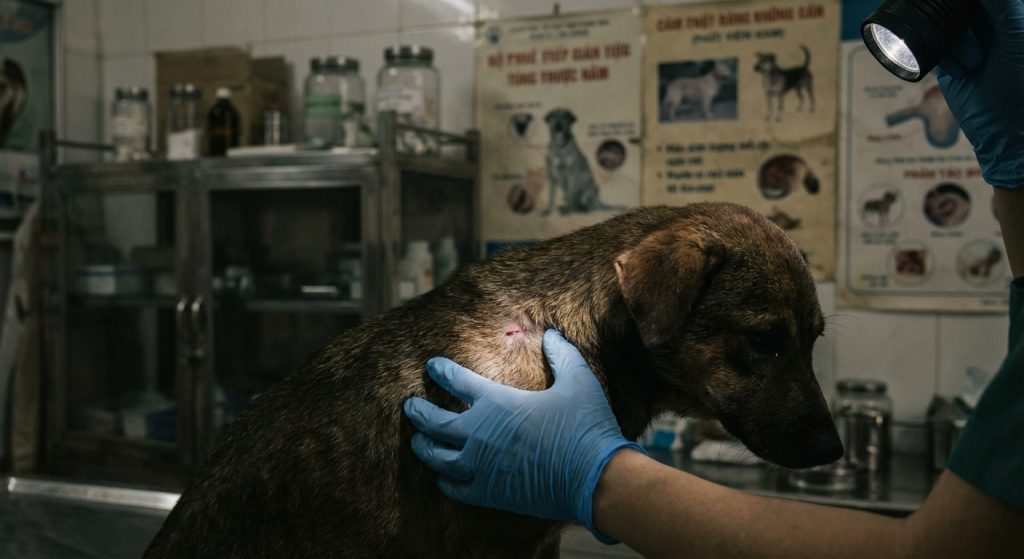
Animal cruelty is a serious issue. It impacts countless animals. Legal experts and animal welfare officers need strong tools. Veterinary forensic science offers these tools. It helps solve cases of abuse and neglect. This field combines veterinary medicine with legal investigation. It provides objective evidence. This evidence is crucial for prosecution. Therefore, understanding its role is vital.
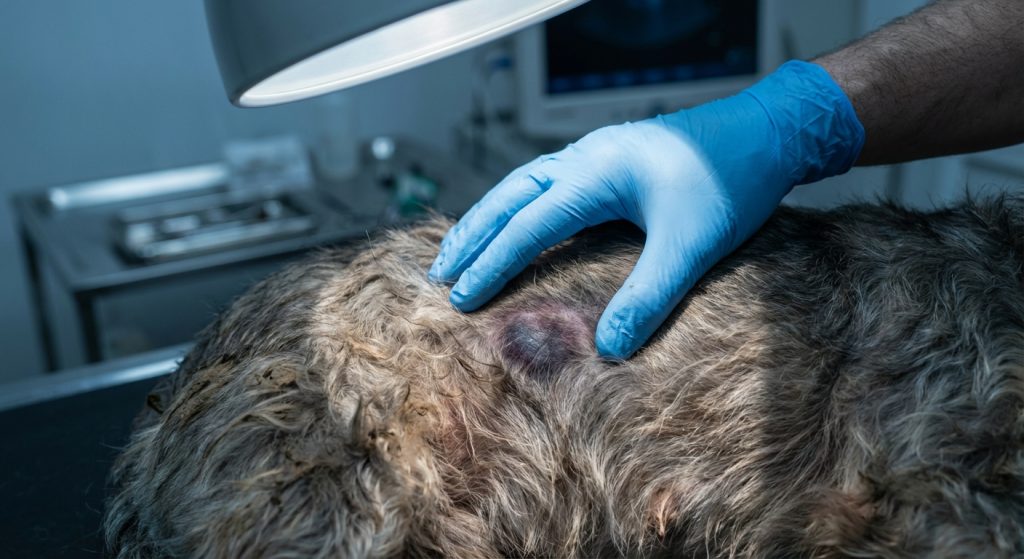
The Role of Veterinary Forensic Science
Veterinary forensic science is a specialized discipline. It applies scientific knowledge to legal matters. This involves animals. It seeks to establish facts. These facts relate to animal abuse or neglect. For example, it can determine the cause of death. It can also identify injuries. Furthermore, it can assess the timeline of harm. This scientific approach lends credibility to investigations. It moves beyond assumptions. It relies on demonstrable proof.
Establishing Causation and Intent
A key aspect is proving causation. This means linking injuries to a specific act. It also involves assessing intent. Was the harm accidental or deliberate? Veterinary forensic experts can analyze patterns. They look at the types of wounds. They also consider their severity. Moreover, they examine the animal’s overall condition. This helps distinguish between neglect and intentional harm. For instance, starvation patterns are distinct. So are signs of blunt force trauma. This detailed analysis is indispensable.
Evidence Collection and Preservation
Proper evidence handling is paramount. This starts at the scene. It continues through the lab. Experts must collect evidence carefully. This includes photographs, samples, and the carcass itself. Preservation is also critical. Evidence must not degrade. It must remain admissible in court. Therefore, strict protocols are followed. This ensures the integrity of the findings. Any mish-step can jeopardize a case. This is why trained professionals are essential.
Key Applications in Animal Cruelty Cases
Veterinary forensic science has many applications. It is vital in cases of physical abuse. It is also crucial for neglect cases. These often involve starvation or lack of care. Additionally, it aids in identifying illegal activities. This might include animal fighting rings. It can also help in cases of abandonment. Each situation requires a unique approach.
Physical Abuse and Trauma
When an animal suffers physical abuse, evidence is key. Veterinary forensic scientists examine wounds. They look for bruises, lacerations, and fractures. Radiographs can reveal bone breaks. The pattern of injuries can indicate the weapon used. For example, certain patterns suggest blunt force. Others might suggest sharp objects. The location of injuries can also be telling. This helps reconstruct the events. It provides a clear picture of the abuse. This is critical for building a strong case.
Neglect and Starvation
Neglect often leads to severe emaciation. Experts assess the animal’s body condition score. They look for signs of dehydration. They also examine for secondary infections. These often arise from poor living conditions. Furthermore, they can determine if the condition was chronic. This is done by looking at the degree of muscle loss. It also involves examining organ health. Therefore, identifying neglect requires a thorough assessment. It’s not just about being thin. It’s about the overall deterioration of health due to lack of care.
Illegal Animal Fighting Operations
Cases involving animal fighting are particularly brutal. Veterinary forensics can identify specific injuries. These often include bite wounds. They can also show evidence of mauling. Scarring patterns are also examined. These can indicate repeated fights. Moreover, examination of the environment is important. This includes looking for makeshift fighting arenas. It also involves finding evidence of training or breeding. This field helps dismantle these cruel operations. It is a vital tool in combating organized animal abuse.
The Scientific Techniques Employed
Several scientific disciplines contribute to veterinary forensics. Microscopy is fundamental. Histopathology examines tissue samples. Toxicology can detect poisons or drugs. DNA analysis can identify individuals. It can also link animals to specific locations or owners. These advanced techniques provide irrefutable evidence. They are powerful allies in the pursuit of justice.
Histopathology: Microscopic Evidence
Histopathology involves microscopic examination of tissues. This can reveal cellular changes. It can show inflammation, necrosis, or infection. For instance, it can confirm the presence of disease. It can also show the effects of trauma at a cellular level. This is especially useful in chronic conditions. It helps determine the duration of suffering. Therefore, it offers a deeper understanding of the animal’s condition. This is a crucial step in many investigations.
Toxicology: Detecting Harmful Substances
Toxicology is vital for cases of poisoning. Samples of blood, urine, or tissue are analyzed. This identifies the presence of harmful chemicals. It can be anything from pesticides to household cleaners. It can also detect illegal drugs. Furthermore, it can quantify the amount of the substance. This helps determine if it was enough to cause harm or death. This is a complex but essential area. It requires specialized laboratories.
DNA Analysis: Unraveling Genetic Clues
DNA analysis offers powerful identification capabilities. It can be used to identify an animal. It can also link a suspect to an animal. For example, hair or blood samples can be analyzed. This is particularly useful in cases of abandonment. It can help trace ownership. Moreover, it can be used in forensic entomology. This involves studying insects found on a carcass. Their DNA can help estimate the time of death. Therefore, DNA is a versatile forensic tool.
Challenges and Future Directions in Vietnam
While veterinary forensic science is growing, challenges remain. Vietnam is developing its capacity in this area. There is a need for more trained professionals. Resources for specialized equipment are also limited. Furthermore, legal frameworks are evolving. They need to fully integrate forensic evidence. Raising awareness among law enforcement is also important. The “One Health” approach is gaining traction. This recognizes the interconnectedness of animal, human, and environmental health. It highlights the importance of robust animal welfare. This approach can drive progress. It encourages collaboration. For example, advancements in One Health are crucial. They can inform policy and practice.
Building Expertise and Resources
Training programs are essential. These should focus on veterinary students and practicing veterinarians. They need to cover evidence collection, preservation, and analysis. Collaboration with international experts is also beneficial. Investing in modern forensic equipment is also necessary. This includes advanced imaging and laboratory tools. Furthermore, developing standardized protocols is key. This ensures consistency and reliability. This is how expertise is built over time.
Strengthening Legal Frameworks and Awareness
Laws need to be clear. They must define animal cruelty. They must also specify penalties. The role of veterinary forensic evidence should be explicitly recognized. Public awareness campaigns are also vital. These should educate the public. They should also inform legal professionals. They should highlight the importance of reporting suspected cruelty. Greater awareness can lead to more successful prosecutions. This, in turn, can deter future acts of abuse. It is a multi-faceted approach.
Conclusion: A Crucial Tool for Justice
Veterinary forensic science is indispensable. It provides objective evidence. This evidence is critical for prosecuting animal cruelty cases. It moves investigations forward. It ensures justice for animals. As Vietnam develops, strengthening this field is paramount. It requires investment in training and resources. It also needs supportive legal frameworks. By embracing veterinary forensics, we can better protect animals. We can create a more compassionate society. This science is a powerful force for good. It speaks for those who cannot speak for themselves.
Frequently Asked Questions
What is veterinary forensic science?
Veterinary forensic science is the application of veterinary medicine and scientific principles to legal investigations, particularly those involving animal cruelty, abuse, neglect, or death.
How does veterinary forensics help in animal cruelty cases?
It provides objective, scientific evidence. This evidence can establish the cause of death, identify injuries, determine the timeline of abuse, and assess intent, all of which are crucial for legal proceedings.
What are some common scientific techniques used?
Common techniques include histopathology (tissue analysis), toxicology (detecting poisons), DNA analysis, radiology, and forensic entomology (study of insects on carcasses).
What are the biggest challenges in this field in Vietnam?
Challenges include a shortage of trained professionals, limited resources for specialized equipment, and the need to further develop and integrate legal frameworks that recognize forensic evidence.
How can the field of veterinary forensics be strengthened?
Strengthening involves investing in training programs for veterinarians, acquiring modern forensic equipment, and fostering collaboration with international experts. Developing robust legal frameworks and raising public awareness are also key.
What is the “One Health” approach and how does it relate?
The “One Health” approach recognizes the interconnectedness of animal, human, and environmental health. It emphasizes that protecting animal welfare is crucial for overall public health and can drive progress in areas like veterinary forensics.