
Pet-Tech: Smart Feeders & Health Monitors Revolutionize Pet Care
Published on February 7, 2026 by Admin
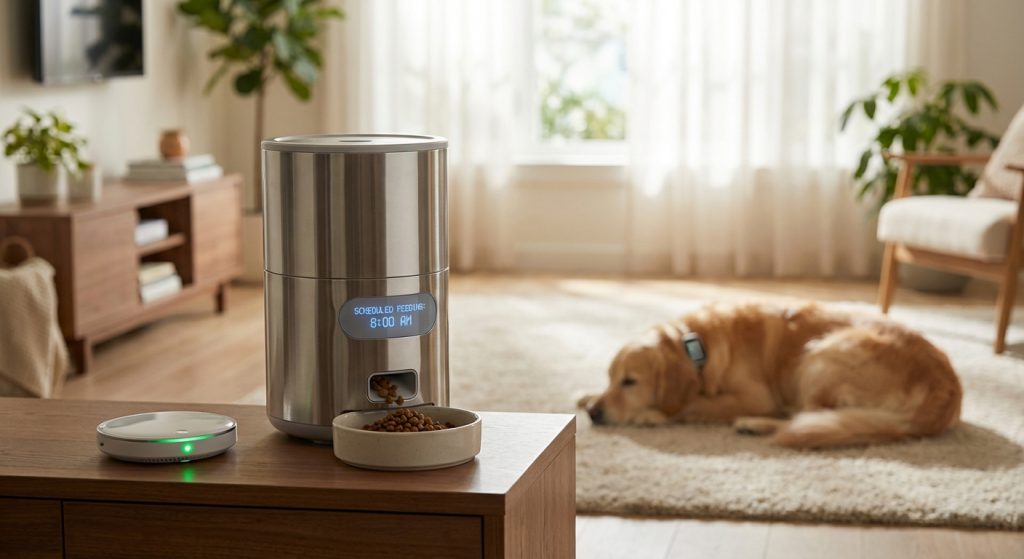
For many, pets are cherished family members. Busy lives, however, can make providing constant care a challenge. Fortunately, technology is stepping in. The rise of “Pet-Tech” offers innovative solutions. Smart feeders and automated health monitors are transforming how we care for our animal companions. This technology brings convenience and peace of mind to pet owners everywhere.
These devices leverage advanced engineering. They aim to simplify daily routines. Furthermore, they help ensure pets receive optimal care. This is especially true when owners are away. The market for pet technology is growing rapidly. It reflects a deep human desire to provide the best for our pets. Let’s explore these fascinating innovations.
The Evolution of Pet Care Technology
Historically, pet care involved manual feeding and basic observation. Owners relied on intuition and routine. However, modern lifestyles demand more flexibility. This led to the development of automated solutions. Early innovations focused on simple timers. These timers dispensed food at set intervals. They were a significant improvement. Yet, they lacked intelligence and adaptability.
Today’s pet tech is far more sophisticated. It integrates with smartphones. It offers remote control and monitoring. Connectivity is a key feature. This allows owners to manage their pets’ needs from anywhere. The goal is to enhance pet well-being. It also aims to reduce owner stress. This technological leap benefits both pets and their people.
Smart Feeders: Beyond Basic Portion Control
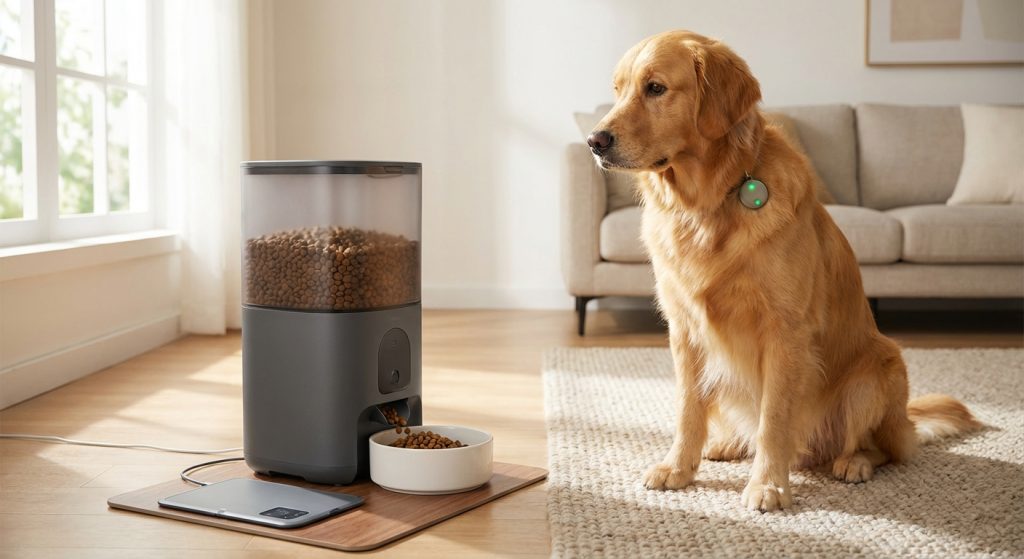
Smart feeders are a cornerstone of modern pet tech. They go far beyond simple timed food dispensing. Many models allow precise portion control. This is vital for managing pet weight. Overfeeding is a common issue. It can lead to obesity and related health problems. Thus, accurate measurements are crucial.
Moreover, these feeders often feature app integration. Owners can schedule meals remotely. They can adjust portion sizes on demand. Some even offer voice activation. This provides ultimate convenience. For instance, if you’re running late, you can still feed your pet on time. Additionally, many feeders have built-in cameras. This allows owners to see their pets during feeding times. It offers visual confirmation and interaction.
Furthermore, some advanced feeders can track consumption. They may alert owners if a pet isn’t eating. This can be an early indicator of illness. This proactive monitoring is invaluable. It helps address potential health issues quickly. The ability to customize feeding schedules is also a huge plus. It caters to individual pet needs and owner lifestyles.
Automated Health Monitors: Vigilance in a Device
Automated health monitors represent another frontier in pet care. These devices are designed to track vital signs and activity levels. They often take the form of smart collars or tags. These trackers collect data continuously. This data provides a comprehensive picture of a pet’s health. It’s like having a constant, silent observer.
Key metrics tracked can include:
- Activity levels: Monitoring how much a pet moves throughout the day.
- Sleep patterns: Observing rest duration and quality.
- Heart rate: Some advanced devices can monitor cardiovascular health.
- Body temperature: Useful for detecting fever or hypothermia.
- Location tracking: GPS features help locate lost pets.
This data is typically uploaded to a cloud platform. Owners can access it via an app. The app often provides insights and alerts. For example, a sudden drop in activity might signal a problem. Similarly, unusual sleep patterns could indicate distress. These monitors can detect subtle changes. These changes might otherwise go unnoticed. Therefore, they are excellent tools for early detection of illness. This proactive approach to health is a game-changer for pet owners. It aligns with the growing focus on preventive care for pets. This mirrors trends in human healthcare. You can learn more about the importance of preventive care in livestock through preventive care protocols for livestock health, which shares similar principles.
Benefits for Tech-Savvy Pet Owners
For busy professionals, pet-tech offers immense benefits. It alleviates the guilt of leaving pets alone. Knowing their needs are met provides peace of mind. Remote feeding ensures pets don’t go hungry. Health monitoring allows owners to stay informed. They can track their pet’s well-being even from afar. This technology supports a more engaged ownership experience.
Furthermore, it promotes healthier pets. Precise portion control prevents obesity. Early detection of illness leads to faster treatment. This can result in better outcomes. Ultimately, it contributes to a longer, happier life for the pet. The integration of these devices simplifies complex care routines. It makes pet ownership more manageable for everyone.
Challenges and Considerations
Despite the advantages, there are challenges. The initial cost of some devices can be high. Battery life and connectivity issues can also arise. Ensuring data privacy and security is another concern. Owners must also ensure the technology is appropriate for their pet’s specific needs. Not all pets adapt to new devices easily. Some may find them stressful.
Additionally, technology should supplement, not replace, human interaction. While smart feeders and monitors offer convenience, they cannot replicate the bond built through direct care. Owners must still dedicate time for play, training, and affection. It’s about finding the right balance between technology and traditional care. For instance, while tracking activity is useful, it doesn’t replace a good walk. Similarly, automated feeding is great, but it doesn’t replace a cuddle during mealtime.
Ensuring Pet Safety and Well-being
When choosing pet-tech, safety is paramount. Devices should be made from non-toxic materials. They should be robust enough to withstand chewing or scratching. Ensure feeders are easy to clean to prevent bacterial growth. Health monitors should be comfortable and not cause irritation. Always read reviews and check for certifications. Reputable brands prioritize pet safety and device durability. For example, understanding potential risks is also crucial for other technologies, such as the ethical considerations in animal testing, which highlights the importance of responsible development.
Data Privacy and Security
Many pet-tech devices collect personal data. This includes pet habits and owner location. It is essential to understand the manufacturer’s privacy policy. Choose devices from companies with strong security measures. This helps protect your information from breaches. Always use strong, unique passwords for app accounts. Regularly update device firmware for security patches. This ensures your data remains secure.
The Future of Pet-Tech
The pet-tech landscape is constantly evolving. We can expect even more advanced features. AI-powered diagnostics might become commonplace. Imagine devices that can predict health issues before symptoms appear. This could involve analyzing subtle behavioral changes. Or perhaps monitoring micro-fluctuations in vital signs. Such predictive capabilities would be revolutionary.
Further integration with veterinary services is also likely. Telemedicine for pets is already a growing field. Smart devices could seamlessly share data with veterinarians. This would enable more informed remote consultations. This technology could even extend to personalized nutrition. Devices might recommend specific food types or quantities. They could adjust based on a pet’s real-time health data. The possibilities are vast. They promise a future of even more personalized and proactive pet care. This aligns with the broader trend of personalized healthcare. For instance, advancements in AI in personalized healthcare are paving the way for similar innovations in human medicine.
Conclusion
The rise of pet-tech, particularly smart feeders and automated health monitors, is a testament to our evolving relationship with pets. These innovations offer unparalleled convenience and enhanced care. They empower busy pet owners to provide a higher standard of well-being for their companions. While challenges exist, the benefits are undeniable. As technology continues to advance, we can anticipate even more sophisticated solutions. These will undoubtedly further deepen the human-animal bond. They will ensure our beloved pets lead healthier, happier lives.
Frequently Asked Questions
What is a smart feeder for pets?
A smart feeder is an automated device that dispenses pet food. It allows owners to schedule meals, control portion sizes remotely via a smartphone app, and sometimes offers features like built-in cameras and food consumption tracking.
How do automated health monitors work for pets?
These devices, often worn as collars or tags, track various health metrics like activity levels, sleep patterns, and sometimes heart rate. The data is usually synced to an app, providing insights and alerts to the owner.
Are smart feeders and health monitors safe for pets?
Generally, yes, if chosen from reputable brands. Safety features include non-toxic materials, durable construction, and secure app access. Always check product specifications and reviews.
Can pet-tech replace human interaction?
No, pet-tech is designed to supplement, not replace, human interaction. It enhances care and convenience but cannot replicate the emotional bond and direct engagement essential for a pet’s well-being.
What are the main benefits of using pet-tech?
The main benefits include convenience for busy owners, peace of mind, precise portion control to manage weight, and early detection of potential health issues through continuous monitoring.
What is the future outlook for pet-tech?
The future likely holds more AI-driven diagnostics, seamless integration with veterinary services, personalized nutrition recommendations, and advanced predictive health monitoring capabilities.
