AI Predicts Coral Spawning for Nha Trang’s Reefs
Published on February 7, 2026 by Admin
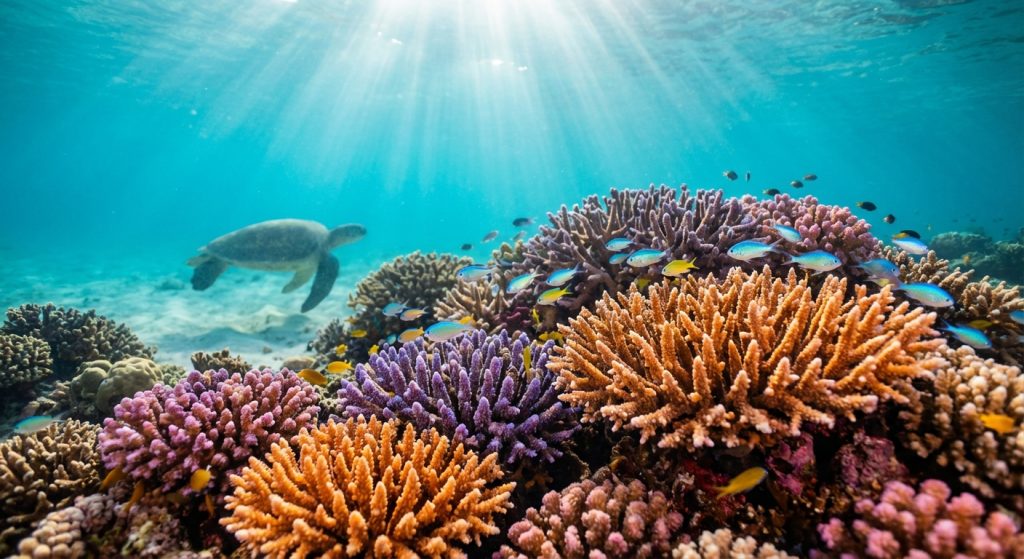
Coral reefs are vital. They support marine life. They also protect coastlines. However, these ecosystems face many threats. Climate change is a major one. Pollution is another. Overfishing also harms them. Protecting these natural wonders is crucial. Nha Trang, Vietnam, has beautiful coral reefs. These reefs are now at risk. But there is hope. AI is offering new solutions. It can help predict coral spawning. This allows for better protection efforts. Therefore, we can safeguard Nha Trang’s reefs.
Understanding Coral Spawning
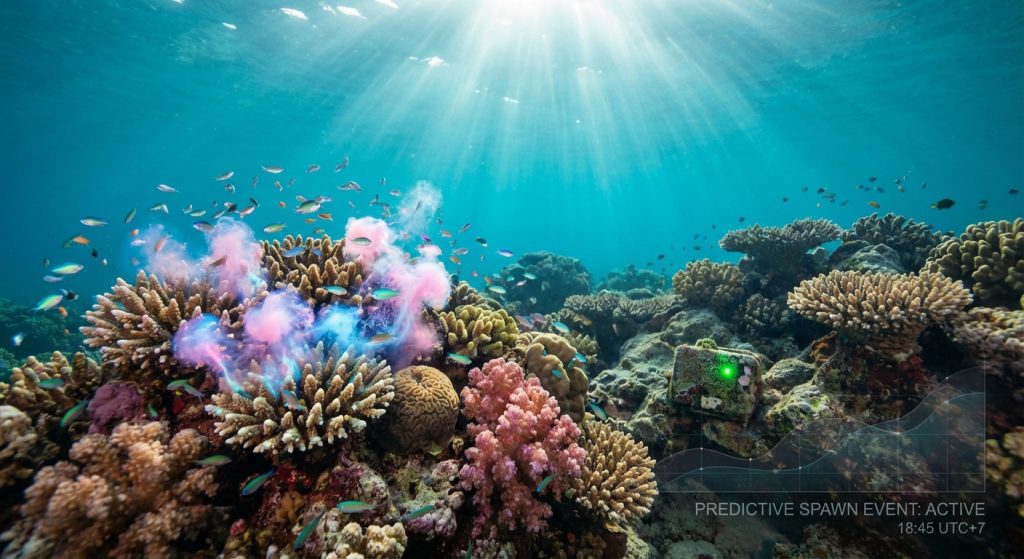
Coral spawning is a natural event. It is how corals reproduce. Many coral species release eggs and sperm. This often happens at night. It usually occurs at specific times of the year. These times are linked to lunar cycles. They also depend on water temperature. Ocean currents play a role too. Predicting this event is complex. Many factors must be considered. For example, precise timing is key. This timing is vital for successful fertilization. Without accurate predictions, conservation efforts can miss their mark.
Why Prediction Matters for Conservation
Predicting coral spawning is essential. It allows for targeted conservation. Scientists can monitor reefs more effectively. They can also deploy resources. This includes managing human activities. For instance, fishing can be restricted. Boat traffic can be limited. This minimizes stress on corals. It also helps protect vulnerable larvae. Therefore, conservationists can create safe zones. These zones are crucial for reproduction. AI is revolutionizing this process. It can analyze vast amounts of data. This leads to more accurate predictions.
The Role of AI in Coral Reef Monitoring
Artificial intelligence is a powerful tool. It can process complex environmental data. This includes sea surface temperature. It also includes salinity levels. Lunar phases are another factor. AI algorithms can learn patterns. They identify correlations between these factors. This helps forecast spawning events. For instance, machine learning models can be trained. They use historical spawning data. They also use current environmental conditions. As a result, predictions become more precise.
How AI Predicts Spawning
AI models examine environmental cues. These cues trigger coral reproduction. For example, temperature thresholds are important. Changes in light also play a part. AI can analyze satellite imagery. It can also process data from buoys. These sources provide real-time information. The AI then identifies patterns. These patterns indicate upcoming spawning. Therefore, scientists get advance warnings. This allows them to prepare. This is a significant advancement.
Nha Trang’s Coral Reefs: A Jewel at Risk
Nha Trang Bay is famous. It boasts vibrant coral ecosystems. These reefs are a major draw. They support local tourism. They also sustain marine biodiversity. Unfortunately, these reefs are under pressure. Coastal development is a factor. Agricultural runoff pollutes the water. Plastic waste is another issue. Furthermore, rising sea temperatures threaten coral health. These factors combined create a dire situation. Urgent conservation is needed.
Threats to Nha Trang’s Corals
Several factors endanger Nha Trang’s reefs. These include:
- Rising Sea Temperatures: Warmer waters cause coral bleaching.
- Pollution: Runoff from land introduces harmful substances.
- Overfishing: This disrupts the delicate reef ecosystem balance.
- Physical Damage: Anchors and careless divers can harm corals.
- Ocean Acidification: Increased CO2 absorption makes seawater more acidic.
These threats are interconnected. They create a challenging environment. Therefore, a comprehensive approach is vital.
AI for Coral Reef Protection in Nha Trang
AI offers a new hope for Nha Trang. It can provide precise spawning predictions. This enables targeted interventions. For example, marine protected areas can be enforced. These areas can be temporarily expanded during spawning. This offers crucial protection. Furthermore, AI can monitor reef health. It can detect early signs of stress. This proactive approach is key. It helps prevent irreversible damage.
Case Study: Implementing AI in Nha Trang
Imagine an AI system in place. It constantly monitors oceanographic data. It analyzes temperature, salinity, and light. It also considers lunar cycles. The AI predicts a major spawning event. This is forecasted for next week. Local authorities are alerted immediately. They implement stricter regulations. Fishing is temporarily banned in key areas. Boat anchoring is prohibited. Dive sites are carefully managed. This ensures a safe environment. As a result, more coral larvae survive. This boosts reef resilience.
Challenges and Future Directions
While promising, AI for coral conservation faces challenges. Data availability can be an issue. Not all reefs have comprehensive monitoring systems. Technical expertise is also needed. Training local scientists is important. Furthermore, AI is a tool. It must be integrated with broader conservation strategies. This includes policy changes. It also involves community engagement. For instance, educating local fishermen is crucial. They can become stewards of the reefs.
The Future of AI and Marine Conservation
The future is bright. AI technology is advancing rapidly. We can expect even more sophisticated models. These models will offer finer-grained predictions. They will also monitor more aspects of reef health. For example, AI could track disease outbreaks. It could also identify pollution sources more accurately. Collaboration between AI experts and marine biologists is key. This partnership will drive innovation. Ultimately, it will lead to healthier oceans. This is crucial for our planet’s future.
Frequently Asked Questions (FAQ)
What is coral spawning?
Coral spawning is the synchronized release of eggs and sperm by corals. It is their primary method of sexual reproduction.
Why is predicting coral spawning important?
Predicting spawning allows conservationists to implement targeted measures. This includes protecting vulnerable eggs and larvae during critical reproductive periods.
How does AI help predict coral spawning?
AI analyzes complex environmental data like water temperature, salinity, light, and lunar cycles. It identifies patterns to forecast when spawning events are likely to occur.
What are the main threats to coral reefs in Nha Trang?
The primary threats include rising sea temperatures, pollution from land-based sources, overfishing, physical damage, and ocean acidification.
Can AI alone save coral reefs?
No, AI is a powerful tool that aids conservation efforts. However, it must be combined with effective management policies, community involvement, and a reduction in global threats like climate change.
Conclusion
AI-powered coral spawning prediction is a game-changer. It offers a vital tool for protecting precious marine ecosystems. Nha Trang’s coral reefs can benefit greatly. By understanding and anticipating these natural events, we can implement more effective conservation strategies. This synergy between technology and nature is our best hope. It ensures these underwater cities thrive for generations to come. Therefore, embracing AI in marine conservation is not just innovative; it is essential. It is a step towards a healthier ocean. It also supports the vibrant life it sustains.