
Canine Companions Aid Mental Recovery in VN Hospitals
Published on February 7, 2026 by Admin
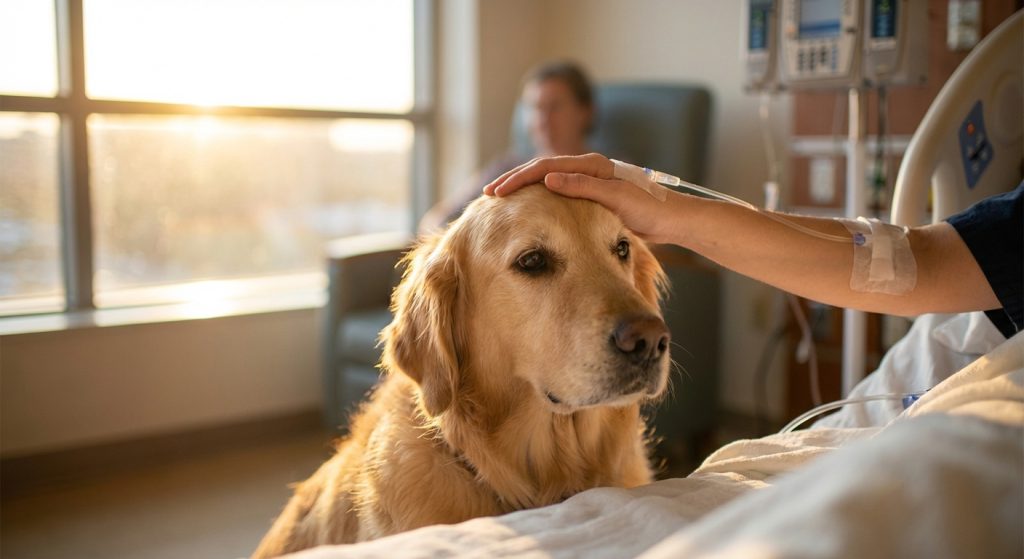
The pursuit of holistic patient care is a constant endeavor for healthcare administrators and social workers. Traditional therapies are vital, but innovative approaches are increasingly being explored. One such promising area is animal-assisted therapy (AAT). Specifically, the integration of dogs into hospital settings in Vietnam is showing remarkable potential for mental recovery. This article explores the benefits, challenges, and future of AAT with dogs in Vietnamese hospitals.
The Healing Power of Paws: Understanding AAT
Animal-assisted therapy is a goal-directed intervention. It is facilitated by a qualified handler. The animal is an integral part of the treatment process. The primary goal is to improve a patient’s physical, social, emotional, and cognitive functioning. Dogs, with their inherent sociability and trainability, are particularly well-suited for this role. Therefore, they are frequently used in AAT programs worldwide.
In Vietnam, like many countries, mental health challenges are significant. Stress, anxiety, depression, and trauma can affect patients recovering from physical ailments or those with chronic mental health conditions. Traditional treatments are effective, but they can sometimes feel impersonal. This is where the presence of a therapy dog can make a profound difference. Dogs offer unconditional affection and a non-judgmental presence. This can help break down emotional barriers and foster a sense of calm.
Benefits of Canine-Assisted Therapy in Healthcare
The benefits of AAT with dogs are multifaceted. They extend across various patient populations and therapeutic goals. For instance, physical touch from a dog can lower blood pressure and heart rate. This physiological response helps reduce stress. Moreover, interacting with a dog can release endorphins. These are natural mood boosters. As a result, patients often report feeling happier and more relaxed.
Social workers and administrators can observe several key improvements:
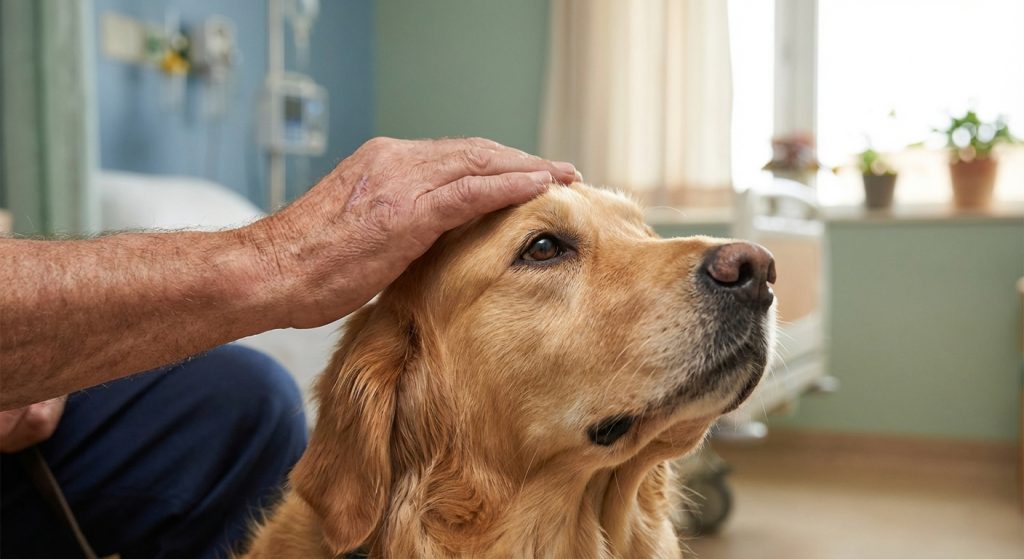
- Reduced Anxiety and Stress: The simple act of petting a dog can be incredibly calming. It distracts patients from their worries. This is particularly helpful for those experiencing pain or fear.
- Improved Mood: Dogs bring joy and a sense of normalcy. Their playful nature can elicit smiles and laughter. Therefore, AAT combats feelings of isolation and depression.
- Enhanced Social Interaction: Therapy dogs can act as social catalysts. They encourage patients to talk to each other and to the handlers. This fosters a sense of community within the hospital.
- Increased Motivation for Therapy: Some patients may be hesitant to engage in traditional therapy. The presence of a dog can make them more willing to participate. For example, they might be more open to discussing their feelings.
- Reduced Feelings of Loneliness: Hospitalization can be a lonely experience. A therapy dog provides companionship. It offers a sense of connection and comfort.
- Facilitation of Physical Activity: In some cases, patients might be encouraged to engage in light physical activity with the dog, such as a short walk or throwing a ball. This can aid in physical rehabilitation.
Implementing AAT in Vietnamese Hospitals: Considerations and Challenges
While the benefits are clear, implementing AAT programs in Vietnamese hospitals requires careful planning. Several factors need to be addressed. Firstly, the selection and training of therapy dogs are paramount. These dogs must be calm, well-behaved, and comfortable in unfamiliar environments. They need to be thoroughly screened for temperament and health. Rigorous training ensures they can handle the demands of a hospital setting. This includes being around different people, noises, and medical equipment.
Secondly, handler training is crucial. Handlers must understand animal behavior and therapeutic principles. They also need to be trained in infection control protocols. Furthermore, clear guidelines and protocols must be established. These should cover aspects like:
- Patient eligibility and consent.
- Hygiene and sanitation procedures.
- Safety measures for both patients and dogs.
- Session frequency and duration.
- Emergency procedures.
Hygiene is a significant concern in any healthcare setting. Strict protocols are necessary to prevent the transmission of any potential pathogens. This includes regular grooming of the dogs, vaccination checks, and immediate cleaning after any accidents. Moreover, it is essential to consider patient allergies and phobias. Not all patients will be comfortable or able to participate. Therefore, AAT should always be an optional component of care.
Another challenge might be institutional buy-in and funding. Healthcare administrators need to see the tangible benefits of AAT. They must understand its potential to improve patient outcomes and satisfaction. Securing funding for training, dog acquisition, and ongoing program management is also vital. However, the long-term benefits, such as reduced patient anxiety and potentially shorter recovery times, can offset initial costs. Investing in such programs aligns with a commitment to designing more ethical and patient-centered healthcare systems.
Case Studies and Emerging Trends
While specific large-scale data from Vietnam might still be emerging, anecdotal evidence and pilot programs are promising. Hospitals in Ho Chi Minh City and Hanoi, for example, are beginning to explore AAT initiatives. These often start with partnerships with local animal welfare organizations or therapy dog training centers. Social workers often lead these initial efforts. They champion the human-animal bond for therapeutic purposes.
Globally, AAT is expanding beyond traditional mental health settings. It is being used in:
- Pediatric wards to comfort children undergoing treatment.
- Geriatric care facilities to combat loneliness and cognitive decline.
- Rehabilitation centers to motivate patients during physical therapy.
- Hospice care to provide emotional support to terminally ill patients and their families.
The trend is towards more structured and evidence-based AAT programs. This involves research into specific canine breeds and training methods best suited for different clinical environments. For example, research into dog genomics could one day inform breeding for optimal temperament. This would further enhance their suitability as therapy animals.
The Role of Social Workers and Healthcare Administrators
For social workers, AAT offers a powerful tool to enhance their practice. It provides a non-verbal pathway for patients to express emotions. It also builds rapport between the patient, the dog, and the handler. Social workers can help identify suitable patients. They can also facilitate the integration of AAT into a patient’s overall care plan. Their role is crucial in advocating for these programs.
Healthcare administrators play a pivotal role in enabling these programs. They must champion the adoption of AAT. They should allocate resources for training, equipment, and staff. They also need to ensure that AAT programs meet all regulatory and safety standards. Collaboration with veterinary professionals and animal behaviorists is essential. This ensures the well-being of the therapy dogs.
Ultimately, the success of AAT hinges on a collaborative effort. It requires a commitment to innovation in patient care. It also demands a deep understanding of the profound connection between humans and animals. This approach can lead to more compassionate and effective healing environments. Furthermore, integrating such therapies reflects a broader understanding of how environmental factors, like noise pollution, can impact mental well-being, suggesting a holistic view of healing.
Frequently Asked Questions (FAQ)
What is animal-assisted therapy (AAT)?
AAT is a structured intervention. It uses animals as part of a patient’s treatment plan. The goal is to improve a patient’s physical, social, emotional, or cognitive functioning. A qualified handler always supervises the animal.
Are therapy dogs safe in hospitals?
Yes, when proper protocols are followed. Therapy dogs undergo rigorous health and temperament screenings. Strict hygiene and sanitation measures are implemented. This includes regular veterinary check-ups and cleaning routines.
Who benefits from canine-assisted therapy?
A wide range of individuals can benefit. This includes patients with mental health conditions, those recovering from illness or surgery, children, the elderly, and individuals experiencing loneliness or stress.
What are the main benefits of AAT with dogs?
Key benefits include reduced anxiety and stress, improved mood, enhanced social interaction, increased motivation for therapy, and a reduction in feelings of loneliness. Dogs offer comfort and a non-judgmental presence.
What are the challenges in implementing AAT in Vietnam?
Challenges include selecting and training suitable dogs and handlers, establishing strict hygiene protocols, gaining institutional buy-in, securing funding, and addressing patient allergies or phobias. Regulatory frameworks may also need development.
Conclusion
Animal-assisted therapy, particularly with dogs, offers a powerful and compassionate avenue for mental recovery in Vietnamese hospitals. By fostering a sense of calm, reducing stress, and promoting emotional well-being, these canine companions can significantly enhance the healing process. While challenges exist in implementation, the benefits for patients and the healthcare system are substantial. As Vietnam continues to advance its healthcare landscape, embracing innovative therapies like AAT will be key. It is a step towards more holistic, patient-centered care. Investing in these programs is an investment in better patient outcomes and overall well-being. It is a testament to the enduring power of the human-animal bond.
