
Fungal Scourge: Tracking Vietnam’s Rare Frog Killer
Published on February 7, 2026 by Admin
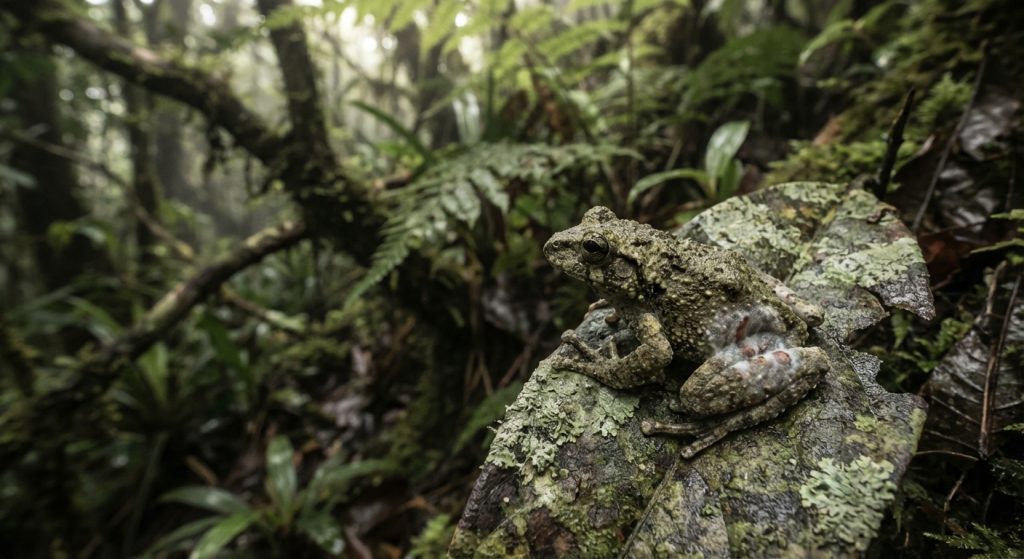
Vietnam’s rich biodiversity is under threat. A deadly fungus is decimating its rare frog populations. This article explores this crisis. It also discusses conservation efforts. Understanding this threat is crucial. It helps protect these unique amphibians. We must act quickly to save them.
The Invisible Enemy: Chytridiomycosis
A devastating disease is spreading. It is called chytridiomycosis. This fungal infection affects amphibians worldwide. It is caused by the pathogen Batrachochytrium dendrobatidis (Bd). This fungus attacks their skin. It disrupts their ability to breathe and absorb water. Sadly, many frog species cannot survive it.
The impact on Vietnam’s amphibian populations is severe. Many endemic frog species are highly vulnerable. They have limited natural resistance. This makes them prime targets for the fungus. Researchers are working hard to understand its spread. They are also seeking ways to combat it. The situation is urgent for these unique creatures.
Vietnam’s Endangered Amphibians: A Looming Crisis
Vietnam is a hotspot for amphibian diversity. It is home to many rare and endemic species. Unfortunately, many of these frogs are now critically endangered. The chytrid fungus is a major contributor to this decline. It is pushing some species towards extinction.
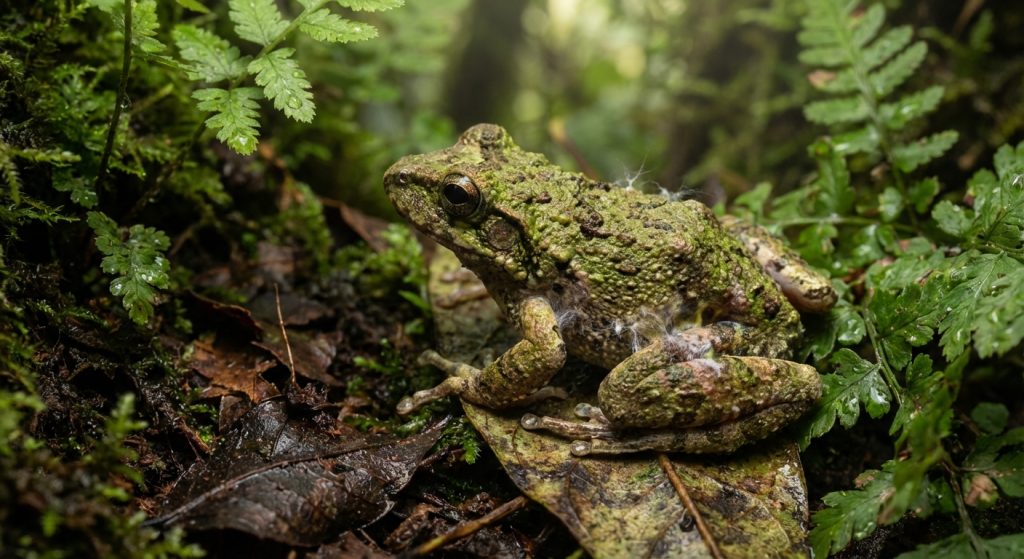
Consider the Annam Mountain Cross Frog (Rana annamensis). This beautiful frog is now exceptionally rare. Its populations have plummeted due to the fungus. Similarly, other unique species face an uncertain future. Their habitats are also shrinking. This dual threat makes their survival even more precarious.
Tracking the Fungus: Scientific Monitoring and Research
Scientists are deploying advanced methods. They are tracking the fungus’s presence. Environmental DNA (eDNA) analysis is a key tool. This technique detects traces of the fungus in water and soil. It allows for non-invasive monitoring. Researchers can map out infection hotspots. This helps them understand transmission patterns. Early detection is vital for intervention.
Field surveys are also essential. Scientists visit known frog habitats. They collect samples and observe amphibian populations. This provides direct evidence of infection. It helps identify affected species. Furthermore, genetic studies are underway. These studies aim to understand fungal strains. They also look for potential genetic resistance in frogs. This research is fundamental to developing effective strategies. eDNA is revolutionizing endangered species monitoring in Vietnam’s rivers.
The Role of Citizen Science
Beyond professional research, citizen science plays a role. Enthusiasts can report frog sightings. They can also document unusual amphibian behavior. This crowdsourced data is invaluable. It expands the reach of monitoring efforts. It helps identify new areas of concern. Therefore, public participation is encouraged. It amplifies our ability to protect these species. Citizen science initiatives empower the public to contribute to biodiversity monitoring.
Conservation Strategies: Hope for the Future
Combating chytridiomycosis requires a multi-faceted approach. Conservationists are implementing several strategies. These aim to protect remaining frog populations. They also seek to restore habitats.
Habitat Protection and Restoration
Protecting and restoring frog habitats is paramount. This includes reducing deforestation. It also means controlling pollution. Clean water sources are vital for amphibians. Creating wildlife corridors can help. These corridors connect fragmented habitats. This allows frogs to move more freely. It also reduces their isolation. Wildlife corridors bridge VN highways for animal safety, facilitating movement.
Captive Breeding Programs
Captive breeding programs offer a lifeline. These programs safeguard vulnerable species. Frogs are bred in controlled environments. This protects them from the fungus. Once healthy, they can be reintroduced. Reintroduction efforts are carefully planned. They focus on suitable, uninfected habitats. Success hinges on rigorous monitoring.
Innovative Treatments and Management
Researchers are exploring treatments. One promising area is the use of beneficial bacteria. Some frog skin bacteria can inhibit Bd growth. Introducing these bacteria might offer protection. Another approach involves antifungal treatments. These are applied cautiously in field settings. They aim to reduce fungal loads on infected frogs. However, these treatments are often experimental. They require careful application.
Challenges and the Road Ahead
The fight against amphibian decline is challenging. Funding is often limited. Conservation efforts require sustained support. Political will is also crucial. Vietnam’s environmental policies play a key role. International cooperation can also help. Sharing research and resources is vital.
Furthermore, climate change poses an additional threat. Warming temperatures and altered rainfall patterns affect habitats. They can also influence disease dynamics. Therefore, integrated conservation strategies are needed. These must address multiple threats simultaneously.
Why Amphibian Conservation Matters
Amphibians are vital to ecosystems. They are indicators of environmental health. Their decline signals broader ecological problems. They also play a role in the food chain. Many species are insectivores. They help control insect populations. Their loss can disrupt delicate ecological balances.
Protecting frogs also has economic implications. Healthy ecosystems support tourism and agriculture. Furthermore, amphibians hold potential for scientific discovery. Their unique biology might offer insights into medicine. Therefore, their conservation benefits us all. It is an investment in our planet’s future. We must recognize the interconnectedness of life. This includes the smallest frog species. Their fate is tied to our own. The fight against the fungal scourge is a fight for biodiversity itself. It also relates to the broader concept of the “One Health” approach, recognizing the link between animal, human, and environmental health.
Frequently Asked Questions (FAQ)
What is chytridiomycosis and how does it affect frogs?
Chytridiomycosis is a devastating infectious disease affecting amphibians. It is caused by the fungus Batrachochytrium dendrobatidis (Bd). This fungus infects the skin of frogs, toads, salamanders, and newts. It disrupts their skin’s function, leading to dehydration, electrolyte imbalances, and ultimately, death. Affected amphibians may show lethargy, loss of appetite, and skin abnormalities.
Why are Vietnam’s rare frogs particularly vulnerable?
Vietnam is home to many unique and endemic frog species. These species have often evolved in isolation. Therefore, they may lack the genetic diversity or natural resistance to combat new pathogens like the chytrid fungus. Their specialized habitats can also make them more susceptible to environmental changes and disease outbreaks.
What are the main methods used to track the chytrid fungus?
Scientists use several methods to track the chytrid fungus. These include:
- Environmental DNA (eDNA) analysis: Detecting fungal DNA in water or soil samples.
- Field surveys: Directly observing frog populations and collecting physical samples from infected individuals.
- Laboratory culturing: Growing the fungus from collected samples to confirm its presence and identify strains.
These methods help map the spread of the disease and identify at-risk areas.
Can chytridiomycosis be treated in wild frog populations?
Treating chytridiomycosis in wild populations is very challenging. However, research is ongoing. Some strategies include:
- Antifungal treatments: Applying safe antifungal agents to infected frogs, often in controlled settings or specific release sites.
- Probiotic therapies: Introducing beneficial skin bacteria that can outcompete the chytrid fungus.
- Habitat management: Improving habitat quality can help frogs build resilience.
These methods are still largely experimental and require careful evaluation.
What can ordinary people do to help amphibian conservation in Vietnam?
Individuals can contribute in several ways. Firstly, they can support reputable conservation organizations working in Vietnam. Secondly, they can avoid disturbing natural habitats. Thirdly, they can educate themselves and others about the importance of amphibians. Finally, if they live near amphibian habitats, they can practice responsible land use. This includes minimizing pesticide and chemical use. These actions collectively support broader conservation goals.
Conclusion
The fungal threat to Vietnam’s rare frogs is a stark reminder. It highlights the fragility of biodiversity. Urgent action is needed. Continued research and dedicated conservation efforts are essential. By understanding and combating this disease, we can protect these unique amphibians. We can also safeguard Vietnam’s natural heritage for future generations. The interconnectedness of ecosystems means their survival is our survival too. Therefore, we must champion their cause.
