
Wildlife Rehabilitation: The Uphill Battle for Animal Recovery
Published on December 25, 2025 by Admin
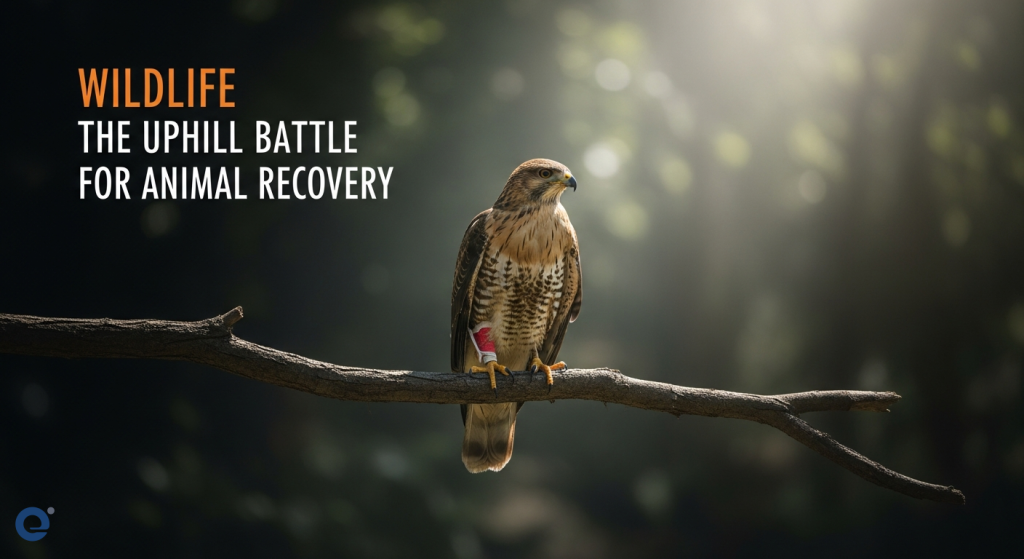
Discover the intricate and often demanding journey of wildlife rehabilitation. This article explores the challenges faced by volunteers, rescue centers, and biologists in their mission to heal injured animals and give them a second chance at life in the wild.
The Heart of Wildlife Rehabilitation
It’s a natural instinct to help when you find a creature in distress. However, intervening with wild animals requires expert knowledge and careful consideration. Wildlife rehabilitation is a complex field. It involves dedicated individuals and organizations committed to the rescue, care, and release of injured, orphaned, or imperiled wildlife.
These efforts are crucial for conserving biodiversity. They also help maintain ecological balance. Many animals face threats from human activities. These include habitat loss, pollution, and vehicle collisions. Wildlife rehabilitators act as a vital bridge. They offer a lifeline to these vulnerable creatures.
Why Wildlife Needs Rehabilitation
Wild animals are often exposed to dangers. A common cause of injury is impact trauma, such as collisions with vehicles or windows. A common nighthawk, for example, suffered severe fractures to its wing from suspected impact trauma. This highlights the frequent dangers they face.
Other issues include entanglement in fishing gear or fences. Animals can also ingest toxins or become victims of illegal pet trade. Orphaned young animals, separated from their parents due to death or human disturbance, also require specialized care. These situations demand immediate and expert intervention.
The Challenging Road to Recovery
The path to recovery for injured wildlife is rarely straightforward. It’s a long, arduous, and often unpredictable journey. Each animal presents unique challenges. Their needs vary greatly depending on species, age, and the nature of their injuries.
Volunteers and professionals must possess a deep understanding of animal behavior and physiology. They also need specialized medical knowledge. Furthermore, patience and dedication are paramount. The goal is always to return the animal to its natural habitat healthy and capable of survival.
Specialized Care Requirements
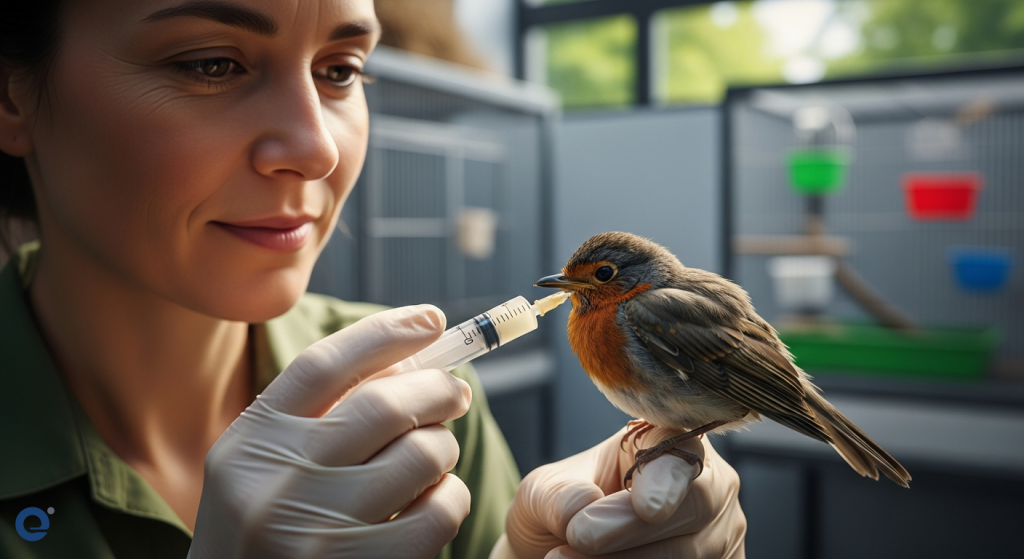
Rehabilitation is not a one-size-fits-all process. Different species have vastly different dietary and environmental needs. For instance, some birds, like the common nighthawk, have highly specialized feeding methods. They catch insects mid-flight. This means they cannot simply eat from a bowl. This necessitates frequent hand-feedings, sometimes every 1-2 hours, for over two months.
Similarly, providing the correct diet for a predator versus a herbivore requires distinct approaches. The environment must also mimic their natural habitat as closely as possible. This includes appropriate enclosures, perching opportunities, and water sources. Creating a safe space that promotes healing and reduces stress is essential.
The Role of Physical Therapy and Exercise
Many injured animals require extensive physical therapy. This is especially true for those with fractures or mobility issues. Flight conditioning for birds is a critical step. It involves gradually increasing their exercise in flight aviaries. This helps them regain strength and coordination.
For mammals, this might involve supervised movement in larger enclosures. The aim is to build muscle and improve stamina. This phase is crucial for ensuring the animal can successfully hunt, evade predators, and thrive once released. Without proper conditioning, even a healed animal may struggle to survive in the wild.
When to Intervene: A Delicate Balance
A common question is when to intervene. It’s important to remember that nature often has its own way. Sometimes, a seemingly orphaned animal is not truly alone. Mother animals may leave their young for extended periods while foraging.
The Washington Department of Fish & Wildlife advises caution. You should only consider intervening if an animal is clearly sick or injured. You must also be certain that the parent is dead. Leaving fawns alone unless certain the mother is dead or the fawn is clearly sick or injured is a key recommendation.
Assessing the Situation
Before attempting any rescue, observe the animal from a distance. Look for obvious signs of distress. These include lethargy, visible wounds, labored breathing, or abnormal behavior. If a baby bird has fallen from its nest, assess if it is old enough to be out. Sometimes, parents will continue to feed fledglings on the ground.
If you encounter an immediate public safety issue, a wildlife violation, or a dangerous animal, contact the authorities. In Washington State, this means calling the WDFW Enforcement office or 911. For general inquiries about injured wildlife, contacting a licensed wildlife rehabilitator is the next step.
The Network of Wildlife Rehabilitators
Wildlife rehabilitation relies heavily on a network of licensed professionals and volunteers. These individuals are trained to provide the specific care each animal needs. Many states have programs to license and oversee these rehabilitators.
Organizations like the Seaside Seabird Sanctuary exemplify the dedication involved. They care for numerous patients, each with a unique story and treatment plan. This work is often supported by donations and community efforts. These centers are essential for providing immediate care to animals in need.
Finding Local Help
If you find an animal that requires assistance, the first step is to locate a licensed wildlife rehabilitator in your area. Many government wildlife agencies provide directories. For example, the Indiana Department of Natural Resources offers resources for finding help. They guide individuals on what to do when encountering injured or orphaned wildlife.
Similarly, departments in states like Kentucky and Minnesota also provide guidance and lists of rehabilitators. Kentucky’s Fish and Wildlife Department details how to assist injured wildlife. Minnesota’s DNR also outlines procedures for injured and orphaned wildlife.
The Long-Term Impact and Ethical Considerations
Wildlife rehabilitation is more than just healing wounds. It’s about restoring an animal’s ability to function in its natural environment. The ultimate goal is successful release. This signifies a true victory for conservation efforts.
However, not all animals can be returned to the wild. Some injuries are too severe, or some animals may become too habituated to humans. In such cases, these animals may live out their lives in captivity. They might serve as educational ambassadors or participate in conservation breeding programs. This is a difficult but sometimes necessary ethical consideration.
The Emotional Toll on Rehabilitators
The work is emotionally taxing. Rehabilitators form bonds with the animals under their care. Witnessing an animal’s struggle and eventual recovery can be incredibly rewarding. Conversely, facing difficult decisions about euthanasia or dealing with the loss of a patient takes a significant emotional toll.
The sheer volume of animals needing help can also be overwhelming. As highlighted by the Seaside Seabird Sanctuary, they often care for nearly 100 patients simultaneously. This requires immense dedication and resilience from their team.
Supporting Wildlife Rehabilitation Efforts
Wildlife rehabilitation centers often operate on tight budgets. They rely heavily on donations, grants, and volunteer support. Contributing to these organizations is vital for their continued operation.
Donations can help cover costs for food, medical supplies, housing, and specialized equipment. Volunteering provides hands-on assistance. This can range from cleaning enclosures to assisting with feeding and therapy. Even sharing information about rehabilitation efforts can raise awareness and encourage support.
How You Can Help
- Donate: Financial contributions are essential for purchasing supplies and maintaining facilities.
- Volunteer: Offer your time and skills. Many centers need help with animal care, fundraising, and administrative tasks.
- Educate: Spread awareness about the importance of wildlife rehabilitation and responsible wildlife interaction.
- Preventative Measures: Reduce the number of animals needing rescue by being mindful of wildlife in your surroundings. Secure trash, drive cautiously, and avoid disturbing wildlife habitats.
- Report Concerns: If you witness animal cruelty or neglect, report it to the appropriate authorities.
Supporting these efforts is an investment in our planet’s biodiversity. It ensures that injured wildlife has a chance to heal and return to their natural homes.
Scuba Diver Saves Stranded Seal from Entrapment! #rescue #animals #wildlife
Frequently Asked Questions
What is the first step if I find an injured wild animal?
Observe the animal from a distance first. If it appears truly sick or injured, contact a licensed wildlife rehabilitator in your area. Avoid direct contact unless advised by a professional.
Can I keep an injured wild animal as a pet?
No. It is illegal and harmful to keep wild animals as pets. They have specific needs that cannot be met in a domestic environment, and they can pose risks to human health.
How do wildlife rehabilitators fund their work?
Funding typically comes from private donations, grants, fundraising events, and sometimes government support. Many centers rely heavily on the generosity of the public and volunteer efforts.
What is the success rate of wildlife rehabilitation?
Success rates vary widely depending on the species, the severity of the injury, and the resources available. The ultimate goal is release, and many animals do recover and return to the wild. However, some animals may not be candidates for release due to permanent injuries or habituation.
How can I help prevent wildlife injuries?
Drive cautiously, especially at dawn and dusk. Secure garbage cans to avoid attracting animals. Keep pets indoors or on a leash. Avoid feeding wild animals, and be mindful of their habitats when engaging in outdoor activities. Making your home wildlife-friendly can also reduce conflicts.
