
The Future of Aquaculture: Closed-loop Systems for Clean Shrimp in VN
Published on February 7, 2026 by Admin
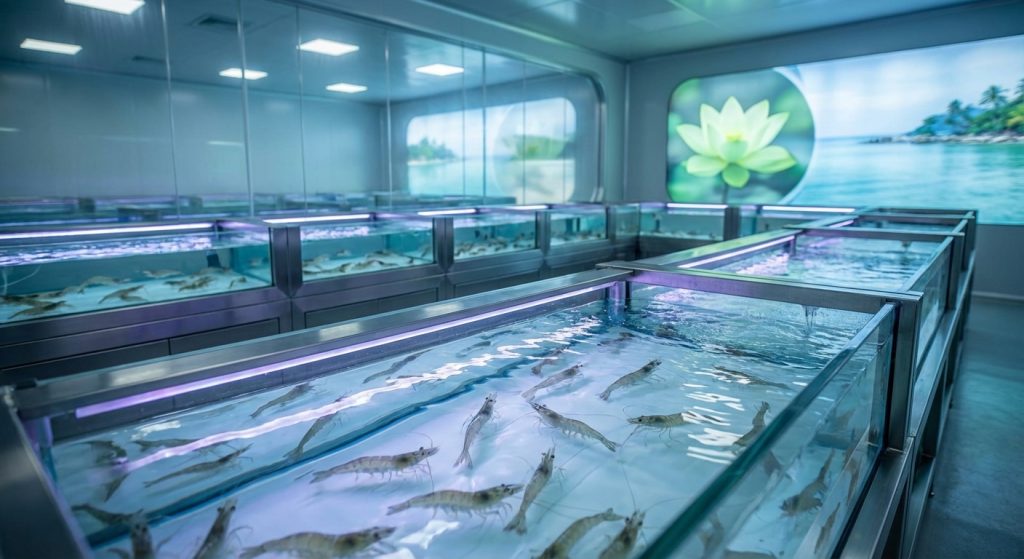
Vietnam’s aquaculture industry is booming. Shrimp farming, in particular, is a major economic driver. However, traditional methods often face challenges. These include disease outbreaks, environmental pollution, and inconsistent product quality. Therefore, a new approach is needed. Closed-loop aquaculture systems offer a promising solution. They promise cleaner shrimp and a more sustainable future for Vietnam’s fisheries.
Why Vietnam Needs Sustainable Shrimp Farming
Shrimp farming is vital for Vietnam’s economy. It provides jobs and export revenue. Yet, intensive farming practices can harm the environment. Large-scale farms often use significant amounts of water. They also discharge wastewater. This wastewater can contain excess nutrients and antibiotics. Consequently, this pollutes local waterways and coastal ecosystems. Furthermore, disease outbreaks can devastate entire harvests. This leads to significant financial losses for farmers. It also impacts the global shrimp supply chain.
Moreover, consumer demand for safe and sustainably produced seafood is growing. Consumers want to know their food is healthy. They also want to know it was produced responsibly. This trend puts pressure on traditional farming methods. Vietnam needs to adapt to meet these evolving demands.
Understanding Closed-Loop Aquaculture Systems
A closed-loop system is a more controlled environment. It aims to recycle resources within the system. This minimizes external inputs and waste outputs. In shrimp farming, this means creating a self-contained ecosystem. Water is treated and recirculated. Waste products are processed and reused. The goal is to achieve a balance. This balance supports healthy shrimp growth with minimal environmental impact.
These systems often involve advanced technologies. They can include sophisticated filtration and bio-treatment processes. They also utilize precise monitoring and control systems. As a result, they create optimal conditions for shrimp. This reduces stress and the risk of disease.
Key Components of Closed-Loop Systems
Several key components work together in a closed-loop system. These ensure efficiency and sustainability:
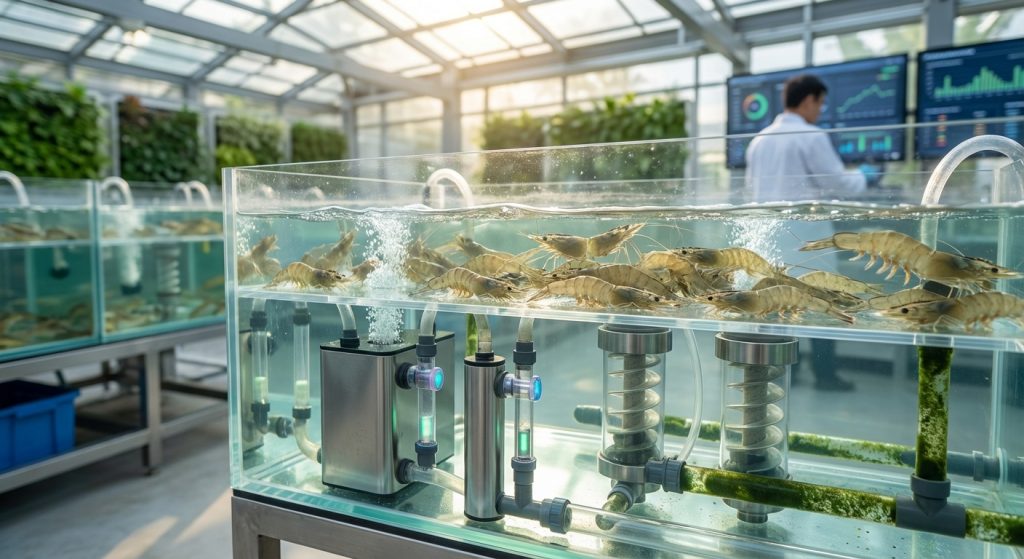
- Water Treatment and Recirculation: Water is continuously filtered. It removes solid waste and harmful substances. Then, it is treated to remove pathogens. Finally, it is returned to the tanks. This drastically reduces water usage.
- Waste Management and Nutrient Recycling: Solid waste is collected. It can be processed. For example, it can be used as fertilizer. It can also be fed to other organisms. This turns waste into a valuable resource.
- Biofiltration: Beneficial bacteria are used. They break down toxic compounds like ammonia. This keeps the water clean and safe for shrimp.
- Controlled Environment: Temperature, oxygen levels, and pH are carefully managed. This ensures optimal growth conditions. It also prevents disease outbreaks.
- Monitoring and Automation: Sensors and automated systems track water quality and shrimp health. This allows for quick adjustments. It also reduces the need for manual labor.
Benefits of Closed-Loop Systems for Clean Shrimp
The advantages of adopting closed-loop systems are significant. They address many of the issues plaguing traditional aquaculture. Firstly, they produce cleaner shrimp. The controlled environment reduces the need for antibiotics. This leads to a healthier, safer product for consumers. In addition, the reduced discharge of pollutants protects natural ecosystems. This is crucial for Vietnam’s delicate coastal environments. Furthermore, these systems can improve water efficiency. This is especially important in regions facing water scarcity.
Moreover, the stable environment leads to more consistent yields. This predictability benefits farmers. It also helps stabilize market supply. The reduced risk of disease means fewer crop losses. This enhances farmer profitability. Ultimately, closed-loop systems contribute to a more resilient and responsible aquaculture sector.
Challenges and Opportunities in Vietnam
Implementing closed-loop systems in Vietnam is not without its hurdles. The initial investment in technology can be substantial. This might be a barrier for smallholder farmers. Training and technical expertise are also essential. Farmers need to understand how to operate and maintain these complex systems. There is also a need for supportive government policies and infrastructure. This includes access to reliable energy and technical support.
However, the opportunities are immense. Vietnam has a strong existing aquaculture base. It also has a growing demand for high-quality seafood. With the right support, closed-loop systems can revolutionize the industry. They can position Vietnam as a leader in sustainable aquaculture. This can attract investment and open new export markets. The focus on clean production aligns with global sustainability goals. It also addresses concerns about zoonotic risks and environmental stewardship.
The Role of Technology and Innovation
Technological advancements are key to making closed-loop systems more accessible. Innovations in sensor technology, AI-driven monitoring, and efficient bio-filtration are crucial. For instance, AI can predict potential issues before they impact shrimp health. AI in environmental monitoring is already showing promise in other sectors. Applying similar principles to aquaculture is the next step. Furthermore, research into alternative feeds and disease prevention methods is vital. This reduces reliance on external inputs.
Collaboration between researchers, technology providers, and farmers is essential. This partnership can drive innovation. It can also ensure that solutions are practical and affordable. The development of specialized training programs will empower farmers. They will learn to manage these advanced systems effectively. This will ensure the long-term success of closed-loop aquaculture.
The Economic and Environmental Impact
The economic benefits of clean shrimp production are clear. Higher quality products can command premium prices. Reduced disease outbreaks mean greater farmer income stability. Moreover, a sustainable industry attracts investment. It also fosters long-term economic growth. Vietnam can strengthen its position in the global seafood market. It can also diversify its export portfolio.
The environmental benefits are equally significant. Reduced water pollution protects marine ecosystems. This supports biodiversity. It also safeguards fisheries that depend on healthy environments. Minimizing antibiotic use is also critical. This helps combat the growing threat of antimicrobial resistance (AMR). This is a global health concern. By embracing closed-loop systems, Vietnam can demonstrate environmental leadership. It can also ensure the long-term health of its coastal resources.
Future Outlook for Vietnamese Aquaculture
The future of aquaculture in Vietnam looks promising with closed-loop systems. These systems represent a paradigm shift. They move away from extensive, environmentally taxing methods. They embrace intensive, controlled, and sustainable practices. This transition is not just about shrimp. It’s about building a resilient food system for the future. It’s about ensuring that aquaculture contributes positively to both the economy and the environment.
As technology advances and costs decrease, these systems will become more widespread. Consumer awareness and demand for sustainable products will continue to grow. Therefore, early adoption of closed-loop aquaculture positions Vietnam for success. It ensures that the industry thrives responsibly. It also secures its place as a global leader in clean seafood production.
Frequently Asked Questions (FAQ)
What exactly is a closed-loop aquaculture system?
A closed-loop aquaculture system is a method where water is continuously treated and recirculated. Waste products are managed and often reused within the system. This minimizes the need for fresh water input and reduces waste discharge.
Are closed-loop systems more expensive than traditional methods?
Initially, closed-loop systems can have higher setup costs due to advanced technology. However, over time, they can be more cost-effective. This is due to reduced water usage, lower feed costs (through waste recycling), and fewer losses from disease.
How do closed-loop systems ensure shrimp are “clean”?
The controlled environment in closed-loop systems significantly reduces the risk of disease. This minimizes the need for antibiotics. Therefore, the shrimp produced are healthier and free from antibiotic residues.
What are the main environmental benefits?
The primary environmental benefits include drastic reductions in water usage and wastewater discharge. This prevents pollution of surrounding water bodies. It also helps conserve local water resources.
Can small-scale farmers adopt these systems?
While initial investment can be a challenge, technological advancements are making smaller-scale systems more feasible. Government support, subsidies, and cooperative models can also help smaller farmers adopt these technologies.
Conclusion
The adoption of closed-loop aquaculture systems represents a vital step forward for Vietnam’s shrimp industry. It offers a path to producing clean, high-quality shrimp. It also ensures environmental sustainability and economic resilience. While challenges exist, the benefits far outweigh them. By embracing innovation and sustainable practices, Vietnam can lead the way in responsible aquaculture. This will secure a healthier future for its fisheries and its people.
