
Ethology in Farming: Happier Animals, Healthier Food
Published on February 7, 2026 by Admin
Understanding animal behavior is crucial. Ethology is the study of animal behavior. This science helps us improve farm animal welfare. Better welfare leads to higher quality food products. It also benefits the animals themselves. This article explores the ethology of farm animals. We will discuss how this knowledge improves welfare and food quality.
What is Ethology and Why Does It Matter for Farms?
Ethology is the scientific study of animal behavior. It looks at how animals interact with their environment. It also examines their social structures and communication. For livestock, ethology provides vital insights. Farmers can use this knowledge to create better living conditions. This is especially true for conscious consumers. They demand ethically produced food. They want to know animals are treated well.
Understanding natural behaviors is key. For example, pigs are naturally curious. They like to root and explore. Chickens need space to dust bathe. Cows are social herd animals. They feel safer in groups. When these needs are met, animals are less stressed. This leads to better health. It also improves the final food products.
Key Behavioral Needs of Farm Animals
Different species have different needs. We must respect these. Meeting these needs is part of good ethology. It is also good practice for livestock owners.
Cattle
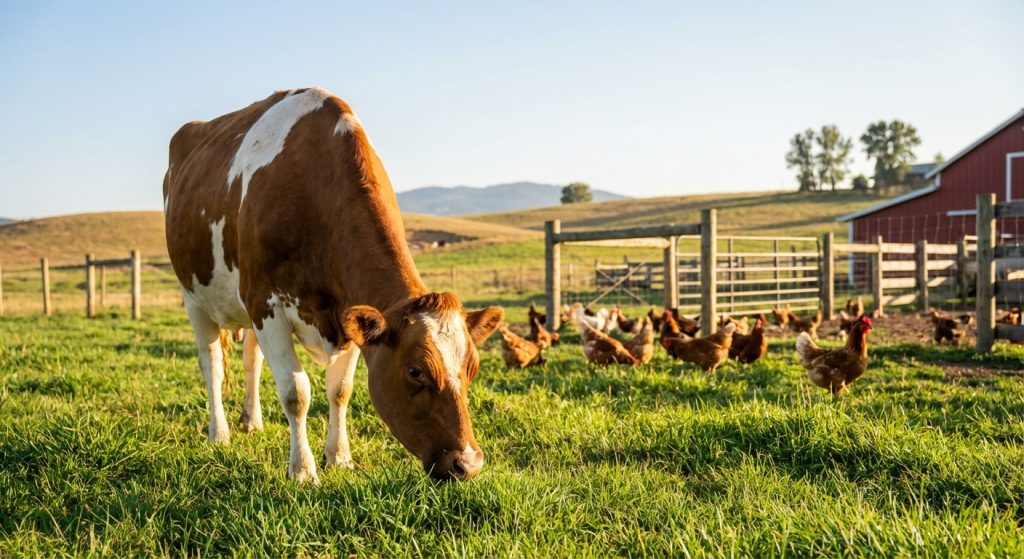
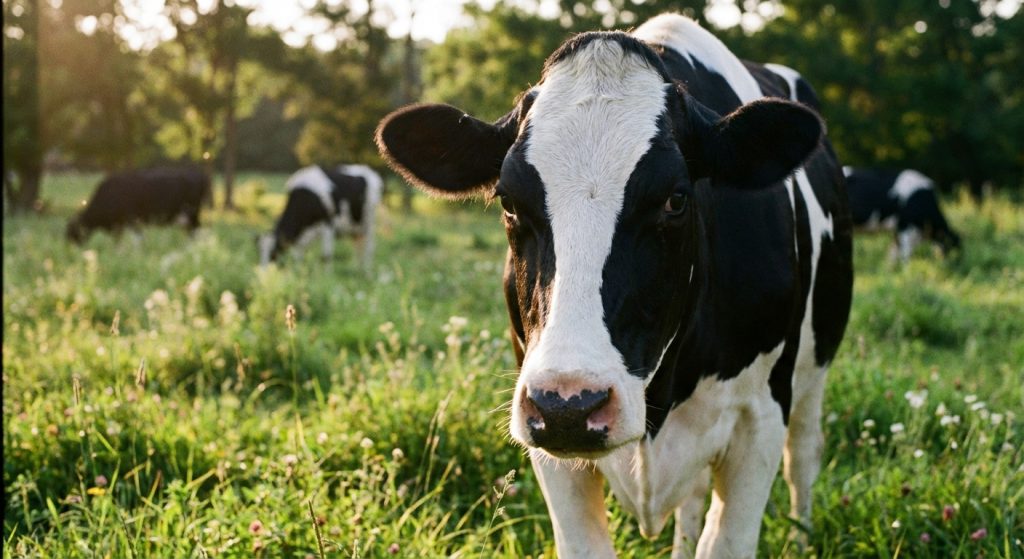
Cattle are grazing animals. They prefer to eat grass. They also need social interaction. They form strong bonds within herds. Providing ample space for movement is essential. This allows for natural grazing behaviors. It also supports their social needs. Overcrowding causes stress. Stress negatively impacts milk and meat quality. For instance, cows experiencing stress may produce less milk. The milk might also have altered composition.
Pigs
Pigs are intelligent and social. They enjoy rooting and exploring. They also need clean environments. They are known to be fastidious. They will separate areas for sleeping and waste. Confining them in barren pens restricts these natural instincts. This can lead to frustration and aggression. Providing enrichment, like straw or rooting materials, is important. This helps satisfy their behavioral needs. It also reduces stress.
Poultry (Chickens, Ducks, etc.)
Poultry species have unique requirements. Chickens, for example, need to perch. They also need space for dust bathing. This behavior helps them maintain feather health. Providing perches and areas for dust baths is crucial. Free-range systems often allow for these natural activities. This contrasts with crowded battery cages. Such cages severely limit natural behaviors. This can lead to feather pecking and stress. Understanding the poultry microbiome is also vital for their health.
Sheep and Goats
These ruminants are also herd animals. They graze and forage. They are curious and agile. Providing varied pasture is beneficial. It allows for exploration and foraging. They also need secure housing. This protects them from predators. Social interaction is important for their well-being. Boredom and isolation can lead to stress behaviors.
How Ethology Improves Animal Welfare
Applying ethological principles directly enhances animal welfare. We can observe and interpret their behaviors. Then, we can make informed changes. This is a proactive approach to animal care.
Reducing Stress and Fear
Stress is a major welfare concern. It can manifest in various ways. These include stereotypical behaviors. Examples are pacing or excessive grooming. Fear can also arise from handling or environment. Understanding what causes fear is crucial. For instance, sudden loud noises or rough handling can be frightening. By minimizing these stressors, we create calmer animals. Calmer animals are healthier animals.
Promoting Natural Behaviors
Animals thrive when they can express natural behaviors. This includes foraging, social interaction, and exploration. Designing housing and environments that allow for these behaviors is key. For example, providing enrichment items for pigs. This could be balls or edible materials. These stimulate their minds. They also satisfy their need to explore. Similarly, offering varied pasture for cattle supports grazing.
Enhancing Social Well-being
Many farm animals are social. They live in groups or herds. Social dynamics are important. They need space to interact appropriately. They also need to form social bonds. Segregating animals unnecessarily can be detrimental. It can lead to isolation and distress. Understanding herd dynamics helps manage groups effectively. This ensures a harmonious social environment.
The Link Between Animal Welfare and Food Quality
There is a strong, scientifically supported link. It connects animal welfare to the quality of food products. This is not just anecdotal. It is backed by research. Conscious consumers are increasingly aware of this. They seek products from animals that have lived well.
Meat Quality
Stress hormones negatively affect meat quality. High cortisol levels can lead to tougher meat. It can also affect color and flavor. Animals that are raised in low-stress environments tend to produce more tender meat. For example, pigs with more space and enrichment may develop better muscle structure. This results in a more desirable eating experience. Regenerative grazing practices, which focus on animal well-being and soil health, also contribute to better meat quality.
Dairy Quality
Dairy cows experiencing stress produce less milk. The milk composition can also change. For instance, stress can affect fat and protein levels. It can also increase the somatic cell count. This indicates inflammation and potential infection. Happy, healthy cows produce higher quality milk. This milk is better for consumption and processing. Understanding animal welfare in different farming contexts is crucial for consumers.
Egg Quality
For poultry, welfare impacts egg quality. Hens in enriched environments lay more eggs. The eggs also tend to have stronger shells. They may also have better yolk color and nutritional profiles. Battery cage systems, which restrict movement and natural behaviors, often result in lower quality eggs. Providing space for dust bathing and foraging is beneficial.
Ethological Innovations in Modern Farming
Technology and scientific understanding are advancing. This allows for more sophisticated approaches to ethology in farming.
Environmental Enrichment
This involves providing stimuli. These stimuli encourage natural behaviors. Examples include providing straw for pigs to root in. For cattle, it might mean varied pasture. For poultry, it could be perches and dust baths. Enrichment reduces boredom and stress. It makes the animals’ lives more engaging. This approach is becoming standard in high-welfare systems.
Precision Livestock Farming
This uses technology to monitor animals. Sensors and cameras track behavior. They can detect early signs of distress or illness. For example, smart collars can monitor cattle stress levels. This allows for timely intervention. It helps maintain both welfare and productivity. Drones are also being used for livestock health monitoring. They provide a bird’s-eye view of herds.
Housing Design
Modern housing designs consider ethology. They provide ample space. They also incorporate features that allow natural behaviors. This includes areas for social interaction. It also includes resting areas and opportunities for foraging. Designing for animal comfort is paramount. This leads to healthier, happier animals.
Consumer Impact and Ethical Choices
Consumers play a vital role. Their choices drive change in the industry. By choosing products from farms that prioritize ethology, consumers support better welfare. This also signals demand for higher quality food. Look for certifications. These indicate a commitment to animal welfare. Labels like “free-range” or “pasture-raised” can be good indicators. However, understanding the underlying practices is best. Educated consumers make informed decisions.
Frequently Asked Questions
What is the main goal of studying ethology in farm animals?
The main goal is to understand their natural behaviors. This knowledge helps improve their living conditions. It ensures their physical and psychological well-being. Ultimately, it leads to better food quality.
How does animal stress affect food quality?
Stress hormones can negatively impact meat and dairy. They can make meat tougher. They can alter milk composition. They can also increase the risk of illness in animals. This compromises the food’s quality and safety.
Are all farm animals the same in terms of their behavioral needs?
No, different species have distinct behavioral needs. For example, pigs need to root. Chickens need to dust bathe. Cows are herd animals that graze. Understanding these species-specific needs is essential.
What is environmental enrichment for farm animals?
Environmental enrichment provides stimuli. These stimuli encourage natural behaviors. Examples include straw for pigs or perches for chickens. It helps reduce boredom and stress.
How can I, as a consumer, support farms that use ethology principles?
You can choose products with welfare certifications. You can also research farming practices. Supporting local farms that prioritize animal well-being is a good step. Look for transparency in their operations.
Conclusion
Ethology offers a powerful lens. It helps us understand farm animals better. By respecting their natural behaviors and needs, we improve their welfare. This, in turn, leads to healthier animals. It also results in superior food products. For conscious consumers and responsible livestock owners, ethology is not just a science. It is a pathway to more humane and sustainable food systems. Embracing these principles benefits everyone. It creates a win-win for animals, consumers, and the environment.
