Climate Change: Marine Mammal Migration & Health Under Threat
Published on December 25, 2025 by Admin
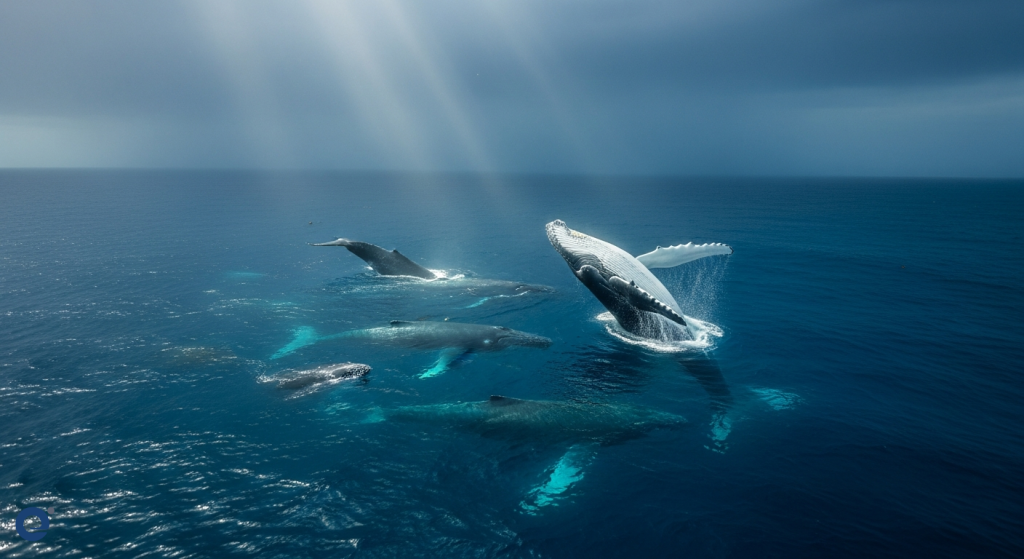
Climate change is profoundly altering our oceans. This transformation poses significant risks to marine mammals, impacting their migrations and overall health. As temperatures rise and ecosystems shift, these magnificent creatures face unprecedented challenges. Understanding these impacts is crucial for effective conservation efforts.
The Shifting Seas: How Climate Change Affects Marine Mammals
The world’s oceans are experiencing rapid changes. These include rising temperatures, altered ocean circulation, and melting ice caps. Furthermore, extreme weather events are becoming more frequent. These shifts directly affect marine ecosystems. For marine mammals, this translates into a complex web of challenges.
For instance, changes in water temperature, turbulence, and salinity can disrupt prey availability. This was predicted decades ago. Scientists foresaw these impacts on cetaceans as early as 1996. The Arctic, in particular, is warming at an accelerated rate. This leads to significant sea ice loss. Consequently, ocean heat content has increased disproportionately.
Oceanic Heatwaves and Ecosystem Disruption
Marine heatwaves are becoming more common. These events can cause significant ecological disruption. In 2014, a major marine heatwave in the North East Pacific led to a rise in sea surface temperatures. This had severe consequences for the marine ecosystem. Mass strandings of marine mammals and seabirds were reported. Moreover, species began to shift their geographical distribution.
Extreme climatic events, predicted to increase, can induce rapid ecosystem changes. This directly alters patterns of resource availability. For example, a habitat shift can occur. This forces species to adapt or face decline.
Impacts on Migration Patterns
Climate change forces marine mammals to alter their traditional migration routes. This is primarily due to changes in prey distribution and availability. As prey species move to find more suitable conditions, so too must their predators.
Consider the Arctic. Rapid sea ice melt affects ice-adapted seals. They rely on ice for nursing their pups. Seals and walruses use ice platforms for resting. Bowhead and beluga whales inhabit ice-covered waters. This ice may offer refuge from predators and competitors. Polar bears depend on sea ice for hunting.
With less ice, these species face significant challenges. Their populations may decline if they cannot adjust. On the other hand, less ice opens the Arctic to less ice-adapted species. This includes humpback, fin, and killer whales.
Shifts in Prey and Habitat for Sharks and Rays
Sharks and rays are also heavily impacted. Warming ocean temperatures and more intense storms affect their prey and habitat. This forces them to shift their geographic distributions. Their complex life histories mean that climate change affects each species differently. Understanding these species-specific vulnerabilities is essential.
For example, oceanic whitetip sharks rely on pelagic fish and squid. These prey species are also affected by climate-induced changes. As oceans warm, prey will migrate to follow nutrient cycles. If prey becomes insufficient, these sharks must move with them to survive. This species prefers warmer surface waters. However, they are cold-blooded and dive deep to regulate their body temperature. Increasing ocean temperatures may affect their movement patterns and their ability to maintain optimal body temperatures.
Scalloped hammerhead sharks depend on shallow coastal areas. These include bays and mangroves for breeding. These coastal habitats are particularly vulnerable to climate change. Intense storms and flooding can increase freshwater runoff and sedimentation. These changes affect water temperature and nutrient cycles. This impacts young sharks at a sensitive life stage.
Consequences for Marine Mammal Health
Beyond migration, climate change directly impacts the health of marine mammals. Lower prey availability can lead to malnutrition. Habitat loss further exacerbates these issues. This is especially severe for threatened species or those with limited ranges.
Furthermore, climate change can increase the concentration of contaminants in aquatic environments. Arctic meltwater and increased rainfall contribute to higher land-based runoff. These persistent and mobile contaminants can bioaccumulate. This leads to ecotoxicity. Severe consequences can affect reproductive organs, immune systems, and metabolism.
The Cumulative Impact of Stressors
It is vital to assess the cumulative impact of multiple stressors. Climate change, habitat alteration, low prey availability, and contaminants do not act in isolation. Human activities, such as fishing, also perturb foraging abilities. These human-caused perturbations add to climate change-associated stressors.
A greater understanding of how multiple stressors affect cetacean metabolism is needed. This will ultimately inform their population trajectory. The complexity of these interactions highlights the interconnectedness of marine ecosystems.
Adaptation and Resilience in Marine Mammals
Despite the challenges, marine mammal populations are exhibiting varying degrees of adaptation. In Northern and Western Alaska, Indigenous hunters have observed significant changes. These include altered migratory timing and routes, distribution, abundance, health, and behavior of marine mammals. Traditional knowledge highlights these shifts in the marine environment.
Sea ice conditions are a primary concern. Later freeze-up, thinner ice, and earlier break-up make hunting more dangerous or impossible. Rapid break-up reduces the time available for spring hunting. Social changes and industrial development also affect hunting opportunities and marine mammal distribution.
While some species have shown positive responses, such as bowhead whales and ringed seals, the future remains uncertain. Ecological change may accelerate. Social and regulatory factors will continue to influence the ability of communities to adapt.
The Role of Traditional Knowledge
Traditional knowledge plays a vital role in understanding and responding to these changes. Indigenous communities have long observed and interacted with marine environments. Their accumulated knowledge provides invaluable insights into ecological shifts. This information complements scientific studies.
The process of hunters gathering new information and integrating it into their existing understanding is key. This is essential for monitoring change and fostering adaptation. Retaining traditional values while acquiring new information is crucial for resilience.
Future Directions in Research and Conservation
Addressing the multifaceted impacts of climate change on marine mammals requires a comprehensive approach. Firstly, continued research is essential to monitor population health and distribution shifts.
Secondly, understanding the cumulative effects of multiple stressors is paramount. This includes investigating the interplay between climate change, pollution, and human activities. NOAA Fisheries emphasizes the need for climate-focused science and management to foster recovery of endangered species.
Thirdly, conservation strategies must be adaptive. They need to account for the dynamic nature of marine ecosystems. This might involve dynamic management areas or flexible quotas.
Finally, bridging the gap between scientific research and traditional knowledge can lead to more effective conservation outcomes. This collaborative approach ensures that diverse perspectives inform decision-making.
Frequently Asked Questions
How does rising ocean temperature specifically affect marine mammals?
Rising ocean temperatures can directly impact marine mammals by altering the distribution and abundance of their prey species. Warmer waters may also affect their ability to regulate body temperature, potentially leading to stress or requiring them to move to deeper, cooler waters, which can disrupt their feeding and breeding patterns.
What are some of the key contaminants that are becoming more concentrated due to climate change?
Climate change can lead to increased concentrations of persistent and mobile contaminants. This occurs through processes like Arctic meltwater and increased rainfall, which enhance land-based runoff into coastal areas. These contaminants can bioaccumulate in the food web, leading to ecotoxicity in marine mammals.
Are all marine mammal species equally affected by climate change?
No, not all species are affected equally. Species that are highly adapted to specific environments, such as ice-dependent seals in the Arctic, are particularly vulnerable. Conversely, some species might initially benefit from changing conditions, like less ice opening up new feeding grounds for certain whales. However, the long-term impacts are complex and often negative across the board.
How can traditional knowledge contribute to marine mammal conservation in a changing climate?
Traditional knowledge, gathered over generations by Indigenous communities, offers invaluable long-term observations of marine ecosystems and species behavior. This knowledge can complement scientific data, providing insights into subtle environmental shifts, historical patterns, and the adaptive strategies of marine mammals that might otherwise be missed. It is crucial for monitoring change and developing effective, culturally relevant conservation plans.
What are the biggest challenges in studying the impact of climate change on marine mammals?
The vastness and inaccessibility of marine environments pose significant challenges. Studying the long-term effects of climate change requires extensive data collection and monitoring. Additionally, disentangling the impacts of climate change from other stressors like pollution and fishing presents a complex scientific puzzle. The cumulative effects of multiple stressors are particularly difficult to quantify.
Conclusion: Navigating an Uncertain Future
The impact of climate change on marine mammal migration and health is undeniable and growing. From altered migration routes and prey availability to increased contaminant exposure and direct health impacts, these animals face a precarious future. The interconnectedness of marine ecosystems means that changes at one level cascade through the entire food web.
However, by fostering a deeper understanding of these complex interactions, integrating diverse knowledge systems, and implementing adaptive conservation strategies, we can work towards nurturing resilient marine ecosystems. The health of marine mammals is intrinsically linked to the health of our planet. Therefore, their plight serves as a critical indicator of our planet’s well-being. Continued research and dedicated conservation efforts are essential to safeguard these vital ocean inhabitants.
Nature’s Symphony, Silenced? Climate Change and Migration