
The Soil’s Silent Scream: How Chemical Fertilizers Harm Earth
Published on February 8, 2026 by Admin
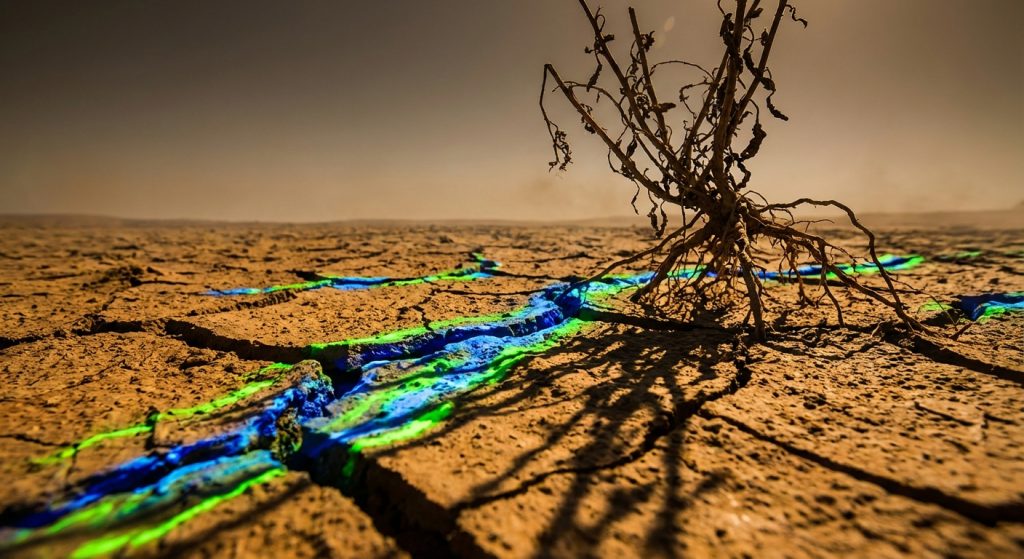
Our planet’s soil is a living, breathing ecosystem. It’s teeming with life. This life is crucial for healthy plant growth. It also sustains all life on Earth. However, modern agricultural practices often ignore this. We rely heavily on chemical fertilizers. These synthetic inputs provide quick nutrients. But they come at a steep cost. Indeed, they are actively destroying the very earth we depend on.
This article explores why chemical fertilizers are so damaging. We will look at their impact on soil health. We will also discuss the consequences for our environment. Finally, we will suggest better, sustainable alternatives.
What Are Chemical Fertilizers?
Chemical fertilizers are synthetic products. They are manufactured using industrial processes. Their primary goal is to supply plants with essential nutrients. These include nitrogen (N), phosphorus (P), and potassium (K). They are often called NPK fertilizers. They are designed for rapid plant uptake. This leads to fast growth and higher yields. Farmers use them widely. They aim to boost productivity significantly.
The Devastating Impact on Soil Health
While they offer short-term gains, chemical fertilizers wreak havoc on soil in the long run. They disrupt the delicate balance of soil ecosystems. This leads to a cascade of negative effects.
Killing the Soil’s Living Organisms
Healthy soil is a complex web of life. It contains billions of microorganisms. These include bacteria, fungi, and protozoa. These microbes are vital. They break down organic matter. They make nutrients available to plants. They also improve soil structure. They help with water retention. Chemical fertilizers kill many of these beneficial microbes. The high salt content and extreme pH levels are toxic to them. As a result, the soil becomes sterile.
Furthermore, fungi are particularly important. They form vast networks called mycorrhizae. These networks connect plant roots. They help plants access water and nutrients. They also communicate between plants. Chemical fertilizers disrupt these crucial fungal networks. This weakens plants. It makes them more susceptible to diseases.
Destroying Soil Structure
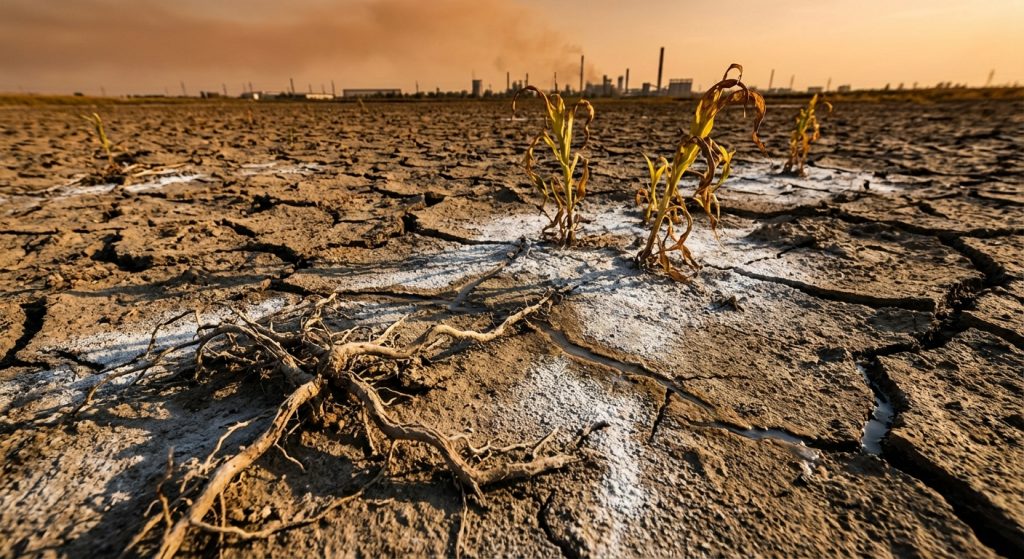
Over time, chemical fertilizers degrade soil structure. They reduce the amount of organic matter. Organic matter acts like glue. It binds soil particles together. This creates stable aggregates. These aggregates allow for good aeration and drainage. Without enough organic matter, soil becomes compacted. It forms a hard crust. This crust prevents water infiltration. It also hinders root growth. Consequently, the soil loses its ability to support healthy plant life.
Nutrient Imbalance and Leaching
Chemical fertilizers provide nutrients in soluble forms. These are easily washed away by rain or irrigation. This process is called nutrient leaching. Leached nutrients contaminate waterways. They cause eutrophication. This leads to algal blooms. It depletes oxygen in water. This harms aquatic life.
Moreover, excessive use of certain fertilizers can create nutrient imbalances. For instance, high nitrogen levels can lead to phosphorus deficiency. This further stresses plants. It makes them less resilient.
Soil Acidification
Many nitrogen-based fertilizers, like ammonium sulfate, are acidic. Their repeated application lowers the soil’s pH. This acidification process releases essential minerals. It makes them unavailable to plants. It can also release toxic heavy metals. These metals can be absorbed by crops. This poses a risk to human health.
Environmental Consequences
The damage caused by chemical fertilizers extends far beyond the farm. It impacts ecosystems globally.
Water Pollution
As mentioned, nutrient leaching is a major problem. Excess nitrogen and phosphorus runoff into rivers, lakes, and oceans. This fuels harmful algal blooms. These blooms deplete oxygen. They create “dead zones.” Many aquatic species cannot survive in these areas. This severely impacts marine ecosystems and fisheries.
Greenhouse Gas Emissions
The production of synthetic nitrogen fertilizers is energy-intensive. It relies heavily on fossil fuels. This process releases significant amounts of carbon dioxide. Furthermore, nitrogen fertilizers can lead to the release of nitrous oxide (N₂O). Nitrous oxide is a potent greenhouse gas. It is about 300 times more powerful than carbon dioxide. Its release from agricultural soils contributes significantly to climate change.
Biodiversity Loss
The simplification of soil ecosystems due to chemical fertilizers leads to a loss of biodiversity. Fewer types of plants can grow. This reduces the habitat available for insects, birds, and other wildlife. The overall ecological balance is disrupted. This can have long-term consequences for entire ecosystems.
The Sustainable Alternative: Organic Farming
Fortunately, there is a better way. Organic farming practices prioritize soil health. They work with nature, not against it. They build soil fertility naturally.
Composting and Manure
Organic farmers use compost and animal manure. These are rich in organic matter. They provide nutrients slowly. They also feed the soil microbiome. Composting breaks down waste materials. It creates a nutrient-rich soil amendment. Manure from livestock, when properly composted, adds essential nutrients. It also improves soil structure and water-holding capacity.
Using compost is a cornerstone of regenerative agriculture. It actively revitalizes depleted soils. You can learn more about regenerative agriculture and its carbon sequestration benefits.
Cover Cropping
Cover crops are plants grown specifically to improve soil health. They are not typically harvested for sale. Instead, they are grown during off-seasons. They protect the soil from erosion. They suppress weeds. They also add organic matter when tilled back into the soil. Some cover crops, like legumes, fix nitrogen from the air. This naturally enriches the soil.
Crop Rotation
Rotating different crops in a field helps prevent soil depletion. Different crops have different nutrient needs. They also have different root structures. This practice can break pest and disease cycles. It also improves soil structure over time. For example, rotating a nitrogen-fixing legume with a heavy-feeding crop like corn can maintain soil fertility.
No-Till or Reduced Tillage Farming
Excessive tilling can damage soil structure. It disrupts soil organisms. No-till or reduced tillage methods minimize soil disturbance. This helps preserve soil organic matter. It also reduces erosion. It keeps soil microbes and fungi intact.
Encouraging Beneficial Insects and Wildlife
Organic farms often support a wider range of biodiversity. They avoid harmful pesticides. This allows beneficial insects to thrive. These insects can help control pests naturally. A healthy ecosystem on the farm benefits the soil and the crops.
The interconnectedness of nature is fascinating. For instance, the health of soil is linked to the health of our pets. You might find our article on pet gut health and soil contact insightful.
Why Consumers Should Care
Eco-conscious consumers play a vital role. Their choices influence farming practices. By choosing organic and sustainably grown produce, you support healthy soil. You also reduce your exposure to chemical residues. Furthermore, you contribute to a healthier planet.
Look for certifications. Organic labels are a good indicator. Also, support local farmers who practice sustainable methods. Your purchasing power can drive positive change.
Frequently Asked Questions (FAQ)
Are all fertilizers bad for the soil?
Not all fertilizers are inherently bad. Organic fertilizers, like compost and manure, enrich the soil. They improve its structure and support microbial life. The primary concern is the overuse and reliance on synthetic chemical fertilizers, which deplete soil health over time.
How long does it take for soil to recover from chemical fertilizer damage?
Soil recovery can take time. It depends on the extent of damage and the methods used for restoration. With consistent organic practices, significant improvements can be seen within a few years. However, full recovery of a complex soil ecosystem might take a decade or more.
Can I use chemical fertilizers sparingly and still be eco-friendly?
Using chemical fertilizers sparingly might reduce immediate harm. However, the underlying issue of soil degradation remains. A truly eco-friendly approach involves transitioning to organic and regenerative practices. This builds long-term soil health rather than just supplementing it.
What are the signs of unhealthy soil?
Signs of unhealthy soil include poor drainage, compaction, a lack of earthworms and other soil life, thin or stunted plant growth, and susceptibility to erosion. The soil might also appear lifeless and lack a pleasant earthy smell.
Conclusion
The health of our soil is non-negotiable. Chemical fertilizers offer a quick fix. However, they lead to long-term degradation. They harm our environment and our health. By embracing organic and regenerative farming practices, we can heal our earth. We can build a more sustainable future. Therefore, let us choose practices that nurture the soil. Let us support farmers who prioritize its vitality. The earth beneath our feet is our most precious resource. Let’s protect it.
