
Medicinal Plants of the Highlands: Digitizing Ancient Wisdom
Published on February 8, 2026 by Admin

Highland regions across the globe are treasure troves of biodiversity. They also hold ancient knowledge. This wisdom is often passed down through generations. It concerns the medicinal properties of local plants. Sadly, much of this knowledge is at risk. It is disappearing with elders. Digitizing this wisdom is crucial. It preserves it for the future. It also unlocks new pharmaceutical discoveries.
The Richness of Highland Flora
Highland environments are unique. They foster incredible plant diversity. Many plants here have adapted to harsh conditions. This adaptation often leads to unique chemical compounds. These compounds can have powerful medicinal effects. For example, plants growing at high altitudes may produce antioxidants. These help them survive intense UV radiation. Therefore, these compounds could protect human cells.
For centuries, indigenous communities have used these plants. They have developed sophisticated ethnomedicinal systems. These systems are based on deep observation. They also rely on practical experience. This knowledge is incredibly detailed. It includes how to prepare remedies. It also covers dosage and application. Furthermore, it specifies which plant parts to use. This knowledge is invaluable. It represents a vast, untapped resource.
Challenges to Preservation
However, this ancient wisdom faces many threats. Modernization is one major factor. Younger generations may not be interested. They may not learn the traditional practices. Globalization also plays a role. Traditional livelihoods are often replaced. This leads to loss of cultural practices. Additionally, environmental degradation is a problem. Deforestation and climate change destroy habitats. This can lead to the extinction of medicinal plants before they are even studied.
The loss of this knowledge is a tragedy. It means potential cures are lost forever. It also means losing a part of human heritage. Therefore, urgent action is needed. We must find ways to document and preserve this wisdom.
The Power of Digitization
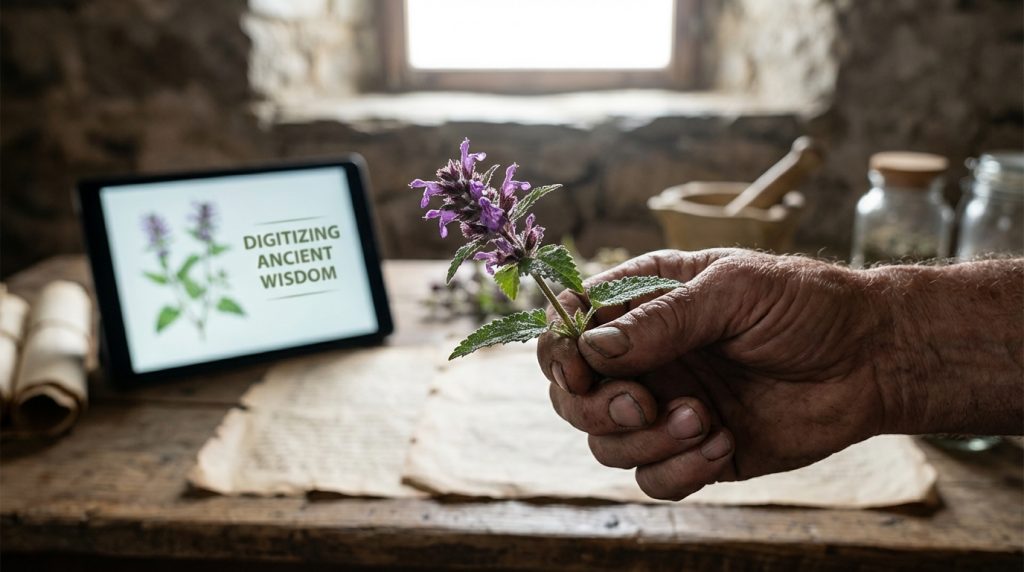
Digitization offers a powerful solution. It allows us to record this knowledge. We can use various digital tools. Databases, mobile apps, and online archives are examples. These tools can store information systematically. They can capture plant names, uses, and preparation methods. They can also include ethnographic details. This makes the knowledge accessible. It also ensures its longevity.
Furthermore, digitization can facilitate scientific research. By digitizing this information, researchers can analyze patterns. They can identify plants with similar medicinal properties. They can also correlate traditional uses with scientific findings. This can accelerate drug discovery. It can lead to new treatments for diseases. For example, many modern drugs originated from plants. Aspirin came from willow bark. Quinine, used for malaria, comes from the Cinchona tree. Therefore, the potential for new discoveries is immense.
Ethnobotanical Surveys and Data Collection
The first step is conducting thorough ethnobotanical surveys. These surveys involve working closely with local communities. Researchers must build trust. They need to respect cultural protocols. Data collection should be collaborative. It should empower local people. This involves documenting plant species. It also means recording their traditional uses. Photographs and detailed descriptions are essential. Additionally, collecting samples for scientific analysis is important.
This process requires careful planning. It must be done ethically. The rights and intellectual property of indigenous knowledge holders must be protected. Therefore, clear consent forms are necessary. Sharing benefits derived from this knowledge is also vital. This ensures a fair and sustainable partnership.
Leveraging Technology
Technology plays a key role in digitization. Mobile apps can be used in the field. They allow for real-time data entry. They can also capture GPS locations. This helps map the distribution of medicinal plants. Databases can then store this information. These databases can be searchable. They can be accessed by researchers worldwide. Furthermore, AI can be used. It can help identify plant species from images. It can also analyze traditional texts.
Moreover, blockchain technology can be explored. It can help ensure the secure and transparent management of data. It can also track the origin of knowledge. This is important for intellectual property rights. The goal is to create a comprehensive digital repository. This repository will safeguard this precious heritage.
Bridging Tradition and Modern Science
Digitizing ancient wisdom is not about replacing tradition. It is about integrating it with modern science. This integration can lead to significant breakthroughs. For instance, many traditional remedies might contain multiple active compounds. Modern pharmacology can identify these compounds. It can then isolate and synthesize them. This can lead to more potent and standardized medicines.
This collaborative approach offers several benefits. Firstly, it validates traditional knowledge. It shows its scientific basis. Secondly, it can lead to the development of new drugs. These drugs might be more effective. They might also have fewer side effects. Thirdly, it can empower local communities. They can benefit economically from the discoveries. This can help fund conservation efforts. It can also support sustainable development.
Case Studies and Examples
Numerous examples highlight the success of this approach. For instance, research into Amazonian plants has yielded important pharmaceuticals. Many of these were first identified through indigenous knowledge. Similarly, traditional Chinese medicine has long been a source of inspiration for drug discovery. By digitizing and analyzing these vast systems, we can uncover more hidden gems.
The potential is enormous. Imagine a global database of medicinal plants. It would contain centuries of human experience. It would be a powerful tool for pharmacologists. It would also be a testament to the wisdom of ancient cultures. We can learn from the past to build a healthier future. This is especially true in areas like drug discovery, where AI is revolutionizing research speed. AI-driven drug discovery is already accelerating the process of finding new medicines.
The Future of Highland Ethnomedicine
The digitization of highland medicinal plant knowledge is a vital endeavor. It is a bridge between the past and the future. It honors ancient traditions. It also harnesses modern technology. This synergy can unlock incredible potential. It can lead to new medicines. It can also promote biodiversity conservation. Furthermore, it can foster cultural preservation.
Therefore, investing in these initiatives is crucial. It requires collaboration. It needs funding and support. Pharmacologists, ethnobotanists, and local communities must work together. The goal is to create a sustainable future. A future where ancient wisdom and modern science coexist. This will benefit humanity and the planet. For example, understanding the soil’s health is fundamental to plant growth. Learning about how chemical fertilizers harm earth is part of that understanding.
Frequently Asked Questions (FAQ)
What are the main challenges in digitizing ancient medicinal plant knowledge?
The primary challenges include building trust with indigenous communities, ensuring ethical data collection and benefit sharing, protecting intellectual property rights, overcoming technological and infrastructure limitations in remote areas, and addressing the loss of knowledge due to cultural shifts and environmental degradation.
How can technology aid in preserving this knowledge?
Technology like mobile apps for field data collection, searchable databases, AI for plant identification and pattern analysis, and blockchain for secure data management can significantly help in preserving and accessing this ancient wisdom.
What is the role of pharmacologists in this process?
Pharmacologists are crucial for scientifically validating the medicinal properties of plants identified through traditional knowledge. They can isolate active compounds, study their mechanisms of action, and develop them into safe and effective pharmaceutical products.
How does this process benefit local communities?
By involving local communities in the digitization process and ensuring fair benefit sharing from any resulting pharmaceutical discoveries, these initiatives can provide economic empowerment, support conservation efforts, and help preserve their cultural heritage.
Are there examples of successful drug discoveries from traditional medicinal plants?
Yes, absolutely. Many modern medicines, such as aspirin (from willow bark) and quinine (from Cinchona tree), originated from traditional plant-based remedies. This highlights the immense potential still waiting to be unlocked from ethnobotanical knowledge.
