
Golden Snail: A Silent Menace in Vietnam’s Ecosystems
Published on February 8, 2026 by Admin
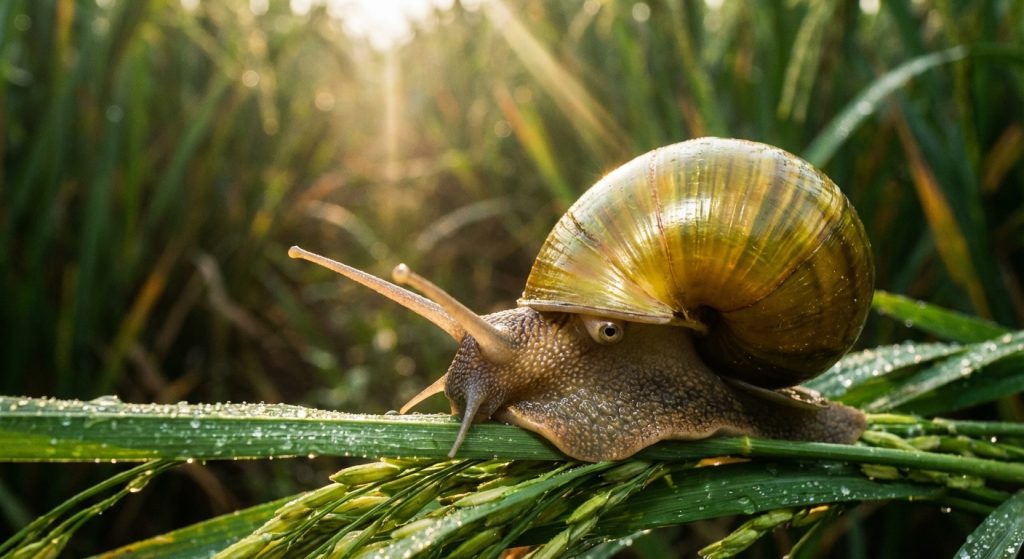
Invasive species pose a significant threat to biodiversity worldwide. They can outcompete native species. Furthermore, they can alter habitats and disrupt ecological processes. Vietnam, with its rich biodiversity, is particularly vulnerable. One such invader causing concern is the Golden Snail, scientifically known as Pomacea canaliculata. This aquatic gastropod has become a pervasive problem. It is changing the ecological landscape of Vietnam in profound ways.
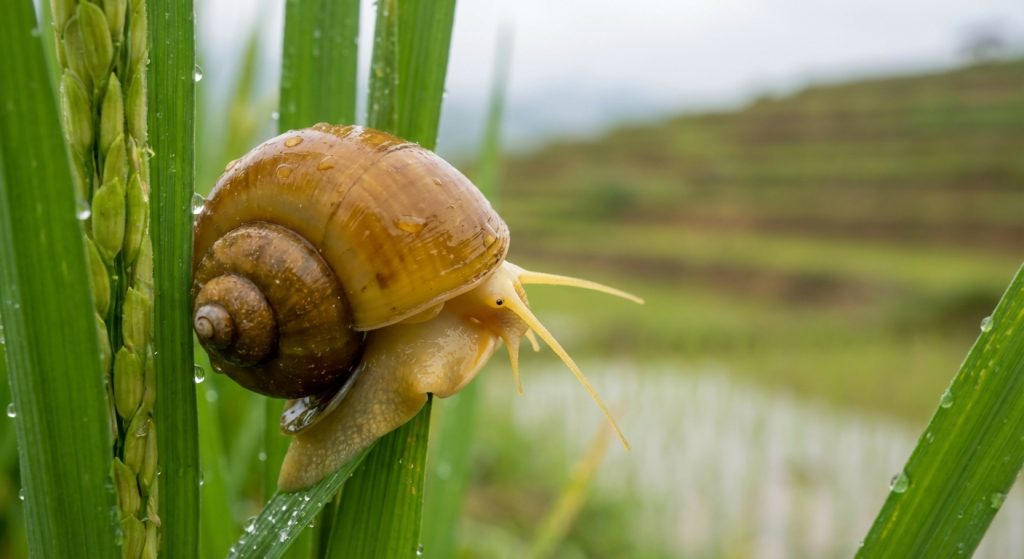
The Arrival and Spread of the Golden Snail
The Golden Snail is not native to Vietnam. It was initially introduced for aquaculture and as a potential food source. However, its prolific breeding habits and adaptability quickly led to its escape into natural waterways. This escape marked the beginning of its ecological invasion. Soon, it was found in rice paddies, irrigation canals, rivers, and lakes across the country.
Its rapid spread is due to several factors. Firstly, the snail reproduces at an astonishing rate. A single female can lay hundreds of egg masses. These masses are often found on emergent vegetation. Secondly, it has a high tolerance for various environmental conditions. This allows it to survive in both freshwater and brackish environments. Therefore, its distribution is not limited by specific water types.
Ecological Impacts on Vietnamese Waterways
The presence of the Golden Snail has had a cascading effect on Vietnam’s aquatic ecosystems. Its feeding habits are particularly disruptive. The snail is a voracious herbivore. It primarily consumes aquatic plants. This consumption directly impacts native flora. Many native aquatic plants are crucial food sources and habitats for indigenous fauna. For example, they provide shelter for fish fry and invertebrates.
As the Golden Snail decimates native aquatic vegetation, its habitat is degraded. This leads to a decline in populations of species that depend on these plants. Fish species that rely on specific submerged vegetation for spawning grounds are particularly at risk. Invertebrates, forming the base of many aquatic food webs, also suffer. Consequently, this impacts higher trophic levels, including fish and amphibians.
Impact on Native Aquatic Life
The Golden Snail’s aggressive consumption of plants directly reduces the available food and shelter for native aquatic organisms. This competition for resources is a primary driver of ecological change. Native snails and other invertebrates that feed on similar plants are directly outcompeted. Therefore, their populations dwindle.
Furthermore, the snail’s sheer biomass can alter the physical structure of aquatic habitats. Large populations can create dense mats of vegetation, changing water flow and oxygen levels. This altered environment can be unfavorable for native species adapted to more open or specific conditions. As a result, biodiversity suffers.
Agricultural Ramifications
While introduced for aquaculture, the Golden Snail has become a major pest in rice cultivation. Rice seedlings are a preferred food source for the snail. They can decimate young rice plants. This results in significant crop losses for farmers. Consequently, this impacts food security and the livelihoods of many Vietnamese communities. Farmers often resort to chemical pesticides to control the snail. However, these chemicals can have detrimental effects on the wider environment.
The use of pesticides can contaminate water bodies. This further harms aquatic life. It can also affect soil health over time. This creates a vicious cycle of ecological damage. Therefore, finding sustainable control methods is crucial for Vietnamese agriculture. You can explore more about the impact of chemical fertilizers on soil health in our article, The Soil’s Silent Scream: How Chemical Fertilizers Harm Earth.
Economic Losses for Farmers
Crop damage caused by the Golden Snail translates directly into economic losses. Farmers must invest more in control measures. This includes purchasing pesticides or engaging in manual removal. These costs, coupled with reduced yields, strain agricultural economies. In some regions, the snail infestation has made rice farming economically unviable.
Moreover, the quality of the harvested rice can be affected. Contamination with snail parts or their slime can occur. This can lead to reduced market value. Therefore, the economic impact extends beyond just yield reduction.
Challenges in Control and Management
Controlling the invasive Golden Snail is a complex and ongoing challenge. Its high reproductive rate makes eradication difficult. Manual removal is labor-intensive and often ineffective for large infestations. Chemical pesticides offer a temporary solution but come with significant environmental drawbacks.
Biological control methods are being explored. These involve introducing natural predators or diseases that target the snail. However, introducing new species always carries risks. Careful research and assessment are necessary to avoid unintended consequences. For instance, understanding the broader implications of introducing new species is vital. This is similar to the challenges faced when managing invasive plants, as discussed in our article on Mastering Invasive Species Control in Parks.
Current Control Strategies
Current management strategies often involve a combination of approaches. These include:
- Manual Collection: Farmers and rangers physically remove snails and their egg masses. This is most effective in smaller areas or as a supplementary measure.
- Chemical Control: The use of molluscicides is common. However, their environmental impact necessitates careful application and regulatory oversight.
- Biological Control: Research is ongoing into natural enemies. This includes certain species of fish, ducks, and predatory insects that may prey on the snail or its eggs.
- Habitat Modification: Altering water levels or vegetation structure in rice fields can sometimes make conditions less favorable for the snail.
- Community Engagement: Educating farmers and local communities about the snail’s impact and control methods is crucial for successful long-term management.
Additionally, exploring drought-resilient rice varieties might offer indirect benefits. By improving overall crop health, plants might be better able to withstand some level of snail damage. Read more about this in our article on Drought-Resilient Rice for the Mekong Delta.
The Role of Agri-scientists and Park Rangers
Agri-scientists play a critical role in understanding the biology and ecology of the Golden Snail. They develop and test new control methods. Their research informs effective management strategies. This includes identifying new biological control agents or developing more environmentally friendly chemical treatments.
National park rangers and environmental officials are on the front lines of managing invasive species. They monitor populations. They implement control measures in natural areas. They also work to prevent further spread. Their efforts are vital in protecting Vietnam’s natural heritage. This requires a deep understanding of local ecosystems and the threats they face. Their work often involves collaboration with agricultural departments and local communities.
Monitoring and Research Needs
Continuous monitoring of Golden Snail populations is essential. This helps track their spread and assess the effectiveness of control measures. Furthermore, ongoing research is needed. Scientists need to better understand the snail’s life cycle. They also need to explore its interactions with native species. This knowledge is key to developing targeted and sustainable interventions.
For example, research into the snail’s susceptibility to specific pathogens could lead to new biological control agents. Similarly, understanding its genetic makeup might reveal vulnerabilities. This comprehensive approach is vital for safeguarding Vietnam’s invaluable ecosystems.
Conclusion: A Call for Vigilance and Integrated Management
The Golden Snail is a formidable invasive species. It presents a dual threat to Vietnam’s agriculture and natural ecosystems. Its impact is far-reaching. It affects plant life, animal populations, and agricultural productivity. Therefore, a coordinated and integrated management approach is necessary. This requires collaboration between scientists, policymakers, farmers, and conservationists.
Vigilance is key. Early detection and rapid response are crucial for preventing new introductions and containing existing infestations. Investing in research and sustainable control methods is paramount. Ultimately, protecting Vietnam’s rich biodiversity from the Golden Snail and other invasive threats is a shared responsibility. It ensures the health of both natural landscapes and agricultural systems for future generations.
Frequently Asked Questions (FAQ)
What is the Golden Snail and why is it a problem in Vietnam?
The Golden Snail (Pomacea canaliculata) is an invasive aquatic gastropod introduced to Vietnam. It is a problem because it reproduces rapidly, consumes vast amounts of aquatic vegetation and rice seedlings, leading to ecological damage and significant crop losses for farmers.
How does the Golden Snail affect native Vietnamese wildlife?
It outcompetes native invertebrates for food. It also destroys the aquatic plants that provide essential habitat and shelter for fish, amphibians, and other aquatic organisms. This can lead to declines in native populations and disrupt entire food webs.
What are the economic impacts of the Golden Snail on farmers?
Farmers face direct crop losses due to the snail eating rice seedlings. They also incur costs for control measures like pesticides or manual removal. This can significantly reduce profitability and threaten livelihoods.
Are there any natural predators of the Golden Snail?
Research is ongoing into biological control agents. Some species of fish, ducks, and predatory insects are known to consume Golden Snails or their eggs. However, introducing these as a control measure requires careful scientific assessment to avoid unintended ecological consequences.
What is being done to manage the Golden Snail in Vietnam?
Management strategies include manual collection, the use of chemical pesticides (though with environmental concerns), and research into biological controls. Community education and engagement are also vital components of control efforts.
