
Orchid Genomics: Preserving Central Highlands’ Rare Flora
Published on February 8, 2026 by Admin
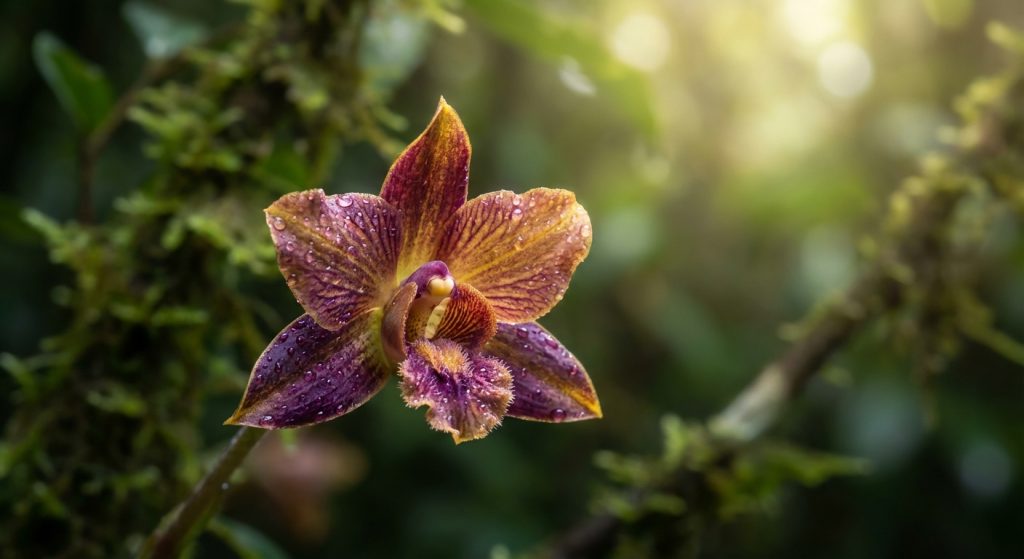
The Central Highlands of Vietnam are a treasure trove of biodiversity. Among its most enchanting inhabitants are its rare orchids. These delicate flowers face many threats. Therefore, preserving them is crucial. This is where orchid genomics plays a vital role. It offers powerful tools for conservation. This article explores how genetic research helps protect these precious species.
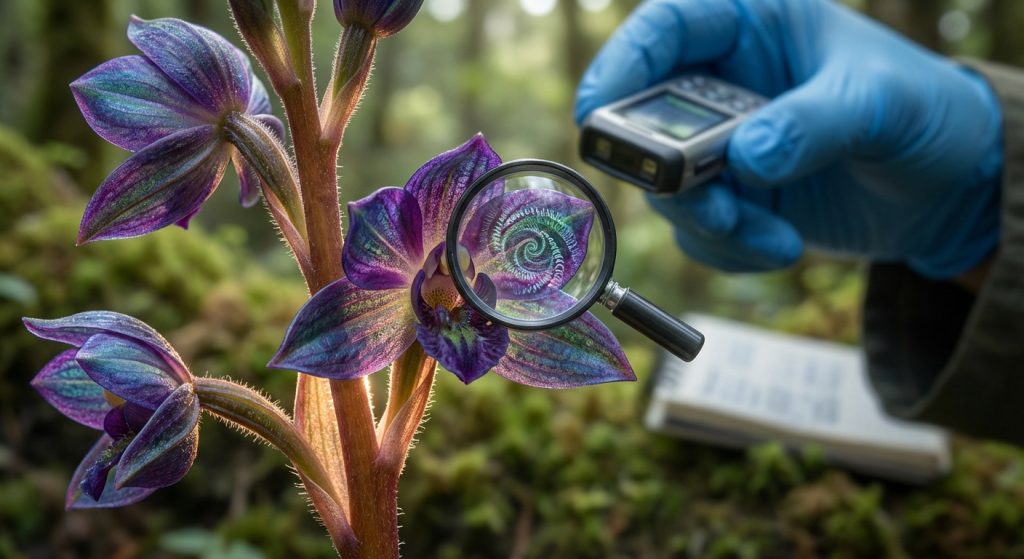
The Orchid’s Delicate Existence
Orchids are renowned for their beauty and diversity. However, many species are exceptionally rare. Habitat loss is a major problem. Deforestation destroys their natural homes. Climate change also poses a significant threat. Collection for illegal trade further endangers them. As a result, many orchid species are on the brink of extinction.
The Central Highlands’ unique climate supports a rich variety of orchids. These include species found nowhere else on Earth. Unfortunately, these specialized environments are also fragile. Human activities often disturb them. This makes orchid populations particularly vulnerable.
What is Orchid Genomics?
Genomics is the study of an organism’s complete set of DNA. This includes all of its genes. Orchid genomics, therefore, focuses on the genetic makeup of orchids. It involves sequencing their entire genomes. This provides a detailed blueprint of their genetic information.
Scientists can learn a great deal from an orchid’s genome. They can understand its evolutionary history. They can also identify genes responsible for specific traits. These might include disease resistance or adaptation to certain conditions. This knowledge is invaluable for conservation efforts.
Unlocking Genetic Secrets
By studying orchid DNA, researchers can identify unique genetic markers. These markers help distinguish between different species. They can also reveal genetic diversity within a species. High genetic diversity is vital for a species’ long-term survival. It allows populations to adapt to changing environments.
Furthermore, genomics can help pinpoint vulnerable populations. These are often the ones with low genetic diversity. Such populations are less resilient. They are more susceptible to diseases and environmental stress. Therefore, prioritizing their conservation is essential.
Genomics in Action: Conservation Strategies
Orchid genomics offers several practical applications for conservation. These methods are helping to safeguard rare species in the Central Highlands.
1. Species Identification and Delimitation
Accurate identification is the first step in conservation. Sometimes, species look very similar. Genetic analysis can definitively tell them apart. This ensures that conservation efforts target the correct species. It prevents misallocation of resources. For example, distinguishing between a rare endemic species and a more common one is crucial.
2. Assessing Genetic Diversity
Genetic diversity is like a species’ insurance policy. It provides the raw material for adaptation. Genomic studies reveal the extent of this diversity. They can identify populations that are genetically isolated. These might need special attention. For instance, a fragmented population might have lost vital genetic variation.
Conservationists can then design strategies to increase diversity. This might involve carefully planned translocations. The goal is to move individuals between isolated populations. This process must be guided by genetic data. It ensures that the right individuals are moved. This helps maintain genetic integrity.
3. Ex Situ Conservation Efforts
Ex situ conservation means preserving species outside their natural habitats. This includes botanical gardens and seed banks. Genomics helps optimize these efforts. Scientists can select the most genetically diverse individuals for propagation. This ensures that captive populations remain robust. It also provides a safeguard against extinction in the wild.
For example, understanding the genetic basis of seed viability is important. This knowledge can improve seed banking success. It helps preserve the genetic legacy of rare orchids for future generations. This is akin to the importance of global seed vaults securing Earth’s flora.
4. Identifying Adaptive Genes
Genomics allows researchers to study genes related to adaptation. This includes genes for drought tolerance or resistance to specific pathogens. Identifying these genes is crucial. It helps understand how orchids survive in their specific environments. It also informs efforts to reintroduce orchids into suitable habitats.
Moreover, this research can predict how orchids might respond to climate change. This foresight is invaluable for long-term planning. It allows conservationists to prepare for future challenges. This proactive approach is key to successful preservation.
The Central Highlands: A Unique Genetic Hotspot
The Central Highlands are characterized by their varied topography. This includes mountains, plateaus, and forests. This diversity of microclimates has fostered unique evolutionary pathways for orchids. Many species here are highly specialized. They rely on specific pollinators or soil conditions.
Therefore, the genetic diversity found here is of global significance. It represents a unique evolutionary heritage. Protecting this region is not just about saving individual plants. It’s about preserving an irreplaceable genetic library. This library holds potential solutions for future challenges. For example, understanding plant adaptation strategies is vital. It can inform broader ecological conservation.
Challenges and the Path Forward
Despite the promise of genomics, challenges remain. Sequencing orchid genomes can be complex and costly. Fieldwork in remote areas is difficult. Furthermore, translating genetic data into effective conservation actions requires collaboration. It needs input from geneticists, botanists, and local communities.
However, advancements in technology are making genomics more accessible. DNA sequencing is becoming faster and cheaper. Bioinformatics tools are improving data analysis. This opens new possibilities for orchid conservation.
Collaboration is Key
Effective conservation requires a multi-faceted approach. Collaboration between research institutions, government agencies, and local communities is essential. Local knowledge about orchid habitats is invaluable. It complements scientific data. For instance, understanding traditional uses of plants can sometimes reveal ecological insights. This is similar to how medicinal plants of the highlands are being documented.
International cooperation can also provide crucial support. Sharing expertise and resources helps overcome common challenges. It ensures that conservation efforts are globally coordinated.
The Future of Orchid Conservation
Orchid genomics offers a powerful lens through which to view and protect biodiversity. By understanding the genetic essence of these rare plants, we can develop more targeted and effective conservation strategies. The Central Highlands, with its unique orchid populations, stands to benefit immensely from these advancements.
Ultimately, the goal is to ensure that these beautiful and ecologically important species thrive for generations to come. This requires a commitment to scientific research and on-the-ground conservation. It also demands a deeper appreciation for the intricate genetic tapestry of life.
Frequently Asked Questions (FAQ)
Why are orchids so vulnerable?
Orchids are often vulnerable due to their specialized habitat requirements. Many species depend on very specific soil conditions, pollinators, and climate. Habitat destruction, illegal collection, and climate change severely threaten their survival. Their slow growth and often low seed viability also contribute to their fragility.
How does DNA sequencing help save orchids?
DNA sequencing allows scientists to understand an orchid’s genetic makeup. This helps in accurately identifying species, assessing genetic diversity within populations, and detecting potential threats like inbreeding. This information guides conservation efforts, such as selecting individuals for breeding programs or identifying populations most at risk.
What is ex situ conservation for orchids?
Ex situ conservation refers to protecting species outside their natural habitat. For orchids, this includes cultivating them in botanical gardens, creating seed banks, and tissue culture propagation. The aim is to maintain a viable population that can potentially be reintroduced into the wild if their natural habitat becomes too degraded or unsafe.
Can genomics help orchids adapt to climate change?
Yes, by studying genes related to traits like heat tolerance or drought resistance, genomics can help identify orchids that are naturally better equipped to survive changing conditions. This knowledge can inform conservation strategies, such as focusing on preserving these resilient individuals or even exploring assisted gene flow if necessary and ethically sound.
What is the role of local communities in orchid conservation?
Local communities often possess invaluable traditional knowledge about orchid locations, flowering times, and even medicinal uses. Engaging them in conservation efforts ensures that protection strategies are practical and sustainable. Their involvement is crucial for monitoring and safeguarding these species in their natural environments.
