Endophytic Fungi: Vietnam’s Hidden Medicinal Allies
Published on February 8, 2026 by Admin
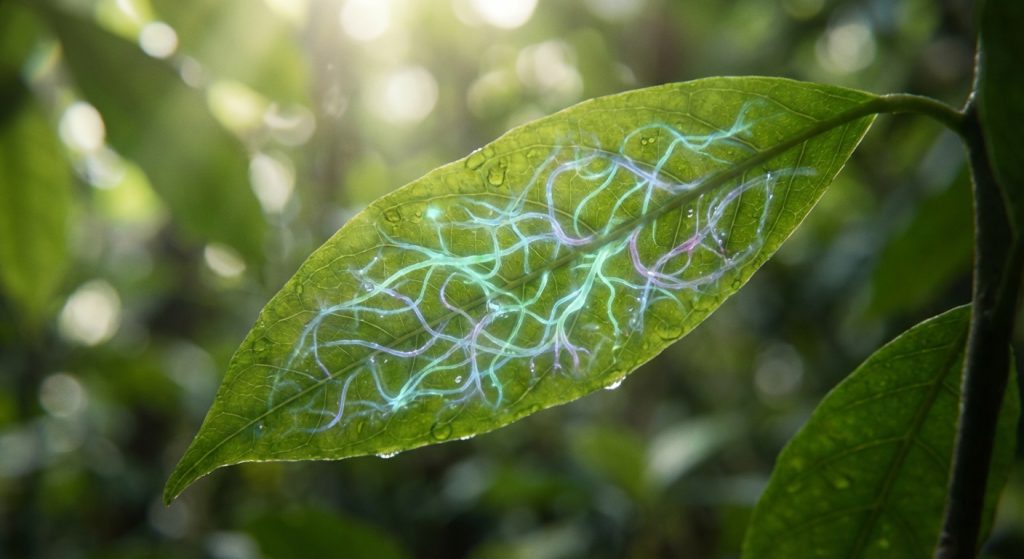
Microbiologists and pharmaceutical technicians often seek novel sources for bioactive compounds. These compounds can lead to new drugs and therapies. Vietnam, with its rich biodiversity, holds many secrets. One such secret lies within its plants. Specifically, it’s the microscopic world inside them. Endophytic fungi are these hidden helpers. They live within plant tissues. They do not cause disease. Instead, they often offer benefits to their host. This article explores the fascinating world of endophytic fungi in Vietnamese medicinal herbs.
These fungi are often overlooked. Yet, they are incredibly important. They produce a vast array of secondary metabolites. Many of these compounds have medicinal properties. Therefore, they are a promising source for drug discovery. Understanding their role is crucial for science. It is also vital for pharmaceutical development.
What Are Endophytic Fungi?
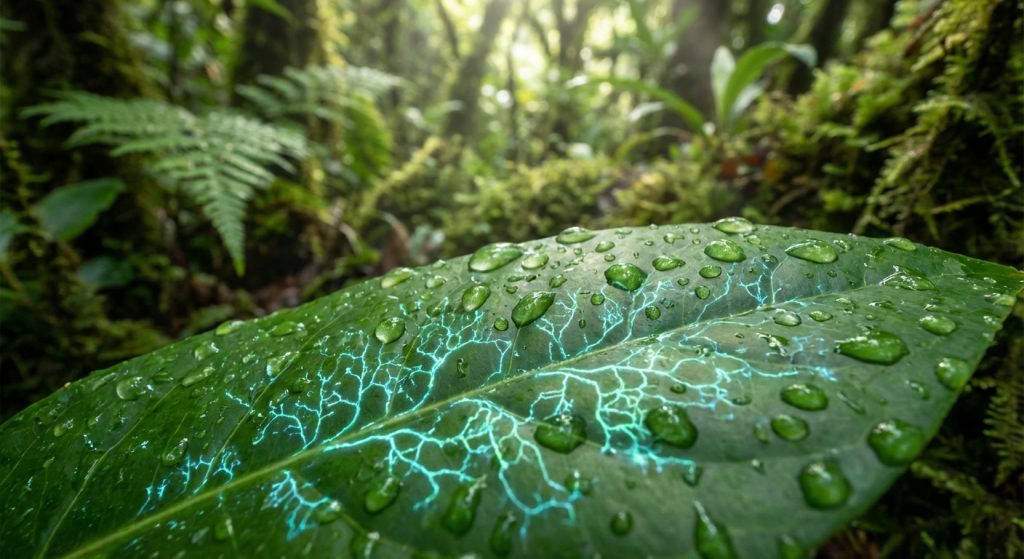
Endophytic fungi are a diverse group. They inhabit the internal tissues of plants. This includes stems, roots, leaves, and seeds. They spend at least part of their life cycle within the plant. Crucially, they do not cause visible harm to their host. This symbiotic relationship is ancient. It has evolved over millions of years.
These fungi are ubiquitous. They are found in almost all plant species. They can exist in terrestrial and aquatic environments. Their presence is often beneficial. They can help plants in many ways. For example, they can enhance nutrient uptake. They can also improve plant tolerance to stress. This includes drought and pathogen attack. Furthermore, they can produce compounds that deter herbivores.
The Medicinal Potential of Endophytes
The real excitement for microbiologists and pharma techs lies in the compounds produced by these fungi. Endophytes synthesize a wide array of secondary metabolites. These are not essential for the fungus’s basic growth. However, they often play ecological roles. Many of these compounds have potent biological activities. This makes them valuable for human health.
Historically, many plant-derived medicines were discovered. Often, the active compounds were later found to be produced by endophytes living within the plant. This suggests that the plant’s medicinal properties might, in part, be due to its fungal partners. Therefore, isolating and culturing these endophytes allows us to study their unique chemistry.
Antibiotics and Antimicrobials
One of the most significant areas of research is antimicrobial compounds. Endophytic fungi produce a variety of antibiotics. These can combat bacteria and other microbes. The rise of antibiotic resistance makes this research urgent. Therefore, discovering new antimicrobial agents is a global priority. Some endophytes produce compounds similar to known antibiotics. Others produce entirely novel structures. This offers a new arsenal against resistant pathogens. For instance, research has identified endophytic fungi producing compounds with activity against Gram-positive and Gram-negative bacteria.
Anticancer Agents
Cancer remains a major global health challenge. Endophytic fungi have shown remarkable potential in producing anticancer compounds. Some of these compounds can inhibit cancer cell growth. Others can induce apoptosis (programmed cell death) in cancer cells. Paclitaxel, a widely used chemotherapy drug, was originally isolated from the bark of the Pacific yew tree. However, it is now known that an endophytic fungus within the tree produces this compound. This highlights the therapeutic value of endophytes.
Antioxidants and Anti-inflammatory Compounds
Chronic inflammation is linked to many diseases. Oxidative stress also contributes to aging and disease. Endophytic fungi produce compounds with strong antioxidant and anti-inflammatory properties. These can help protect cells from damage. They can also reduce inflammatory responses in the body. Such compounds are valuable for developing treatments for various chronic conditions.
Other Bioactive Compounds
The therapeutic potential extends further. Endophytes can produce compounds with antiviral, antifungal, insecticidal, and immunosuppressive activities. This vast chemical diversity makes them a treasure trove for drug discovery. Exploring these compounds can lead to breakthroughs in various medical fields.
Endophytic Fungi in Vietnamese Medicinal Herbs
Vietnam’s diverse ecosystems are home to a rich array of medicinal plants. Many of these plants have been used in traditional medicine for centuries. Researchers are now investigating the endophytic fungi associated with these plants. This is a relatively new field in Vietnam. However, it holds immense promise.
Medicinal herbs like Gynostemma pentaphyllum (jiao gu lan), Curcuma longa (turmeric), and various species of Ganoderma are known for their health benefits. Studies are beginning to reveal the endophytic fungi associated with them. For example, endophytic fungi isolated from Vietnamese medicinal plants have shown promising antimicrobial and antioxidant activities in preliminary studies.
The exploration of these fungi is often challenging. It requires specialized knowledge in mycology, molecular biology, and natural product chemistry. Furthermore, it requires careful cultivation and identification of fungal species. The diversity of Vietnamese flora provides a vast canvas for this research. It is important to link this research to the long history of traditional medicine in Vietnam. This could lead to novel drug leads. It also validates ancient knowledge with modern science.
Challenges and Opportunities
Several challenges exist in this field. Firstly, many endophytic fungi are difficult to culture in the lab. This makes it hard to produce their metabolites in sufficient quantities. Secondly, identifying novel compounds requires sophisticated analytical techniques. Thirdly, the ecological role of many endophytes is still poorly understood. This makes it difficult to optimize their cultivation for metabolite production.
However, the opportunities are significant. Advances in molecular biology and genomics are helping us understand these fungi better. Techniques like high-throughput screening can accelerate the discovery of bioactive compounds. Furthermore, the “One Health” approach, which recognizes the interconnectedness of human, animal, and environmental health, is gaining traction. This holistic perspective can inform our understanding of endophytic fungi and their roles. The study of endophytic fungi fits well within this integrated framework. Their interactions with plants and the environment are complex and interconnected.
Research and Development in Vietnam
Vietnam is increasingly investing in scientific research. There is a growing interest in utilizing its natural resources for pharmaceutical development. Universities and research institutes are starting to focus on natural products. This includes exploring the potential of endophytic fungi.
Collaborations between Vietnamese scientists and international researchers are crucial. These partnerships can bring expertise and resources. They can help accelerate the pace of discovery. The potential for discovering new drugs from Vietnamese endophytes is vast. This could lead to significant economic benefits for the country. It could also lead to improved healthcare outcomes globally.
Moreover, understanding the role of fungi in plant health can also inform agricultural practices. Endophytes can act as natural biocontrol agents. They can reduce the need for chemical pesticides. This aligns with the growing global demand for sustainable agriculture. The study of organic pest defense can benefit from insights into fungal endophytes.
Future Directions
The future of endophytic fungi research is bright. Several key areas will likely see significant growth:
- Genomic and Metagenomic Studies: Understanding the genetic makeup of endophytes will reveal pathways for producing novel compounds. Metagenomics will allow us to study fungi directly from environmental samples, bypassing culturing challenges.
- Synthetic Biology: Engineering endophytes or their metabolic pathways can lead to more efficient production of valuable compounds.
- Ecological Studies: Further research into the interactions between endophytes, plants, and their environment will provide a deeper understanding of their roles and potential. This includes their role in plant defense mechanisms.
- Drug Development Pipelines: Translating discoveries into viable pharmaceutical products will require robust preclinical and clinical trials.
- Sustainable Sourcing: Developing methods for sustainable cultivation and harvesting of medicinal plants and their associated endophytes will be crucial. This ensures long-term availability without depleting natural resources.
Conclusion
Endophytic fungi represent a largely untapped resource. They are hidden within Vietnam’s rich flora. For microbiologists and pharmaceutical technicians, they offer a compelling avenue for discovering new bioactive compounds. Their potential in developing novel antibiotics, anticancer agents, and other therapeutics is immense. As research in Vietnam continues to grow, we can expect exciting breakthroughs. These hidden helpers are poised to play a significant role in the future of medicine and pharmacology. Therefore, continued investment and exploration in this area are highly recommended.
Frequently Asked Questions (FAQ)
What is the primary benefit of endophytic fungi for plants?
Endophytic fungi can provide several benefits to their host plants. These include enhanced nutrient uptake, improved tolerance to environmental stresses like drought, and protection against pathogens and herbivores.
Why is antibiotic resistance a key area of research for endophytic fungi?
The increasing problem of antibiotic resistance in bacteria necessitates the discovery of new antimicrobial compounds. Endophytic fungi produce a diverse range of secondary metabolites, some of which show potent activity against resistant strains of bacteria, offering a potential new source for antibiotics.
Can endophytic fungi produce compounds that treat cancer?
Yes, research has shown that endophytic fungi can produce various compounds with anticancer properties. These compounds can inhibit cancer cell growth or induce apoptosis. The discovery of paclitaxel, originally from a plant but produced by its endophyte, is a prime example.
What are some challenges in researching endophytic fungi?
Challenges include difficulties in culturing many species in the lab, the need for advanced analytical techniques to identify novel compounds, and a limited understanding of their precise ecological roles and interactions with host plants.
How can Vietnam leverage its biodiversity for drug discovery using endophytes?
Vietnam can leverage its rich biodiversity by supporting research into the endophytic fungi of its medicinal plants. This involves isolating, culturing, and analyzing these fungi for bioactive compounds. Collaborations with international institutions can also accelerate this process.