
The Science of Scent: How Flowers Lure Specific Pollinators
Published on February 8, 2026 by Admin
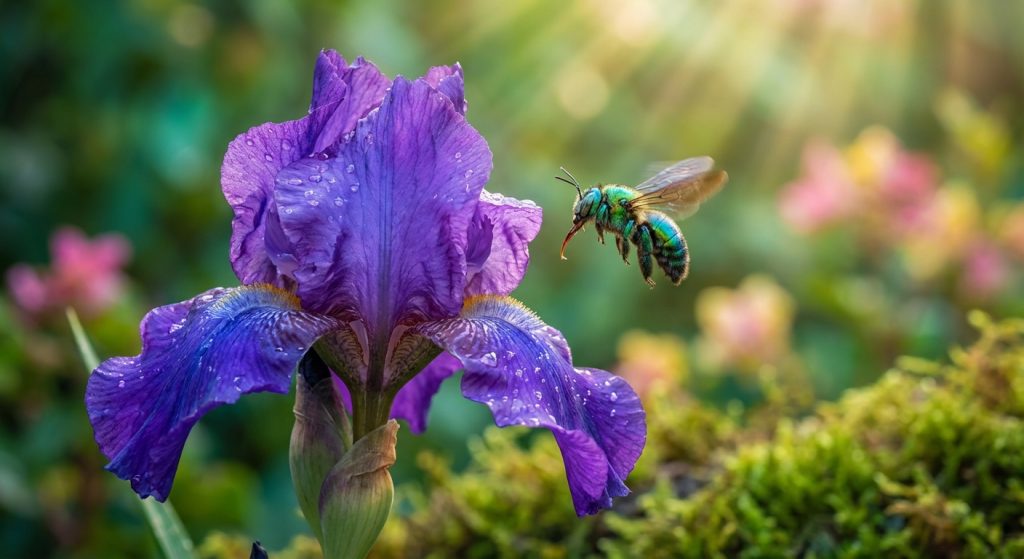
Flowers are masters of attraction. They use a complex language of scents to communicate with the natural world. This scent is not random; it’s a carefully crafted signal. It helps them find their perfect partners for pollination. Understanding this science reveals a hidden world of biological communication. It’s a fascinating interplay between plants and insects.
The Chemical Symphony of Floral Fragrance
Floral scents are not single notes. They are complex bouquets of volatile organic compounds (VOCs). These VOCs are like tiny chemical messages. They travel through the air. Different flowers produce different mixtures of these compounds. Therefore, each scent is unique. This uniqueness is key to attracting specific pollinators.
Consider the thousands of different scent compounds. These include esters, terpenes, and aldehydes. Each compound plays a role. Some are sweet and fruity. Others are musky or spicy. The specific combination determines the overall aroma. It also dictates which pollinators will respond.
Decoding the Scent Profile
Biologists study these scent profiles. They use gas chromatography and mass spectrometry. This helps them identify each chemical component. They then analyze the ratios of these compounds. This analysis reveals the flower’s scent signature. It’s like a chemical fingerprint.
For example, some flowers emit a strong, sweet scent. This often attracts bees. Bees have a keen sense of smell. They are drawn to these pleasant aromas. Other flowers might smell like rotting meat. This pungent odor attracts flies. It mimics their preferred food sources.
Targeting the Right Audience: Pollinator Specificity
Flowers have evolved to attract pollinators essential for their reproduction. This relationship is often highly specific. A flower might rely on a single species of insect. This ensures successful pollination. It also prevents wasted resources.
The scent is the primary attractant. It guides pollinators from a distance. Once close, visual cues like color and shape also play a role. However, the scent often acts as the first invitation. It’s the initial signal that says, “I am here, and I have what you need.”
Bees: The Sweet-Scented Suitors
Bees are among the most important pollinators. Many flowers produce sweet, floral, or fruity scents. These scents are rich in esters and terpenes. These compounds are highly attractive to bees. For instance, the scent of lavender is known to attract bees. It contains linalool and camphor, common floral VOCs.
Furthermore, bees can detect a wide range of scent compounds. They can even learn to associate specific scents with nectar rewards. This learning reinforces their preference for certain flowers. This creates a co-evolutionary relationship. The flower gets pollinated, and the bee gets food.
Flies and Moths: Different Scents, Different Needs
Flies are attracted to different scent profiles. Many species prefer carrion-like or dung-like odors. Flowers that mimic these smells often attract flies. These scents are typically rich in sulfur compounds and amines. For example, the Titan Arum, the world’s largest flower, emits a powerful odor of decaying flesh. This scent attracts flesh flies and scarab beetles.
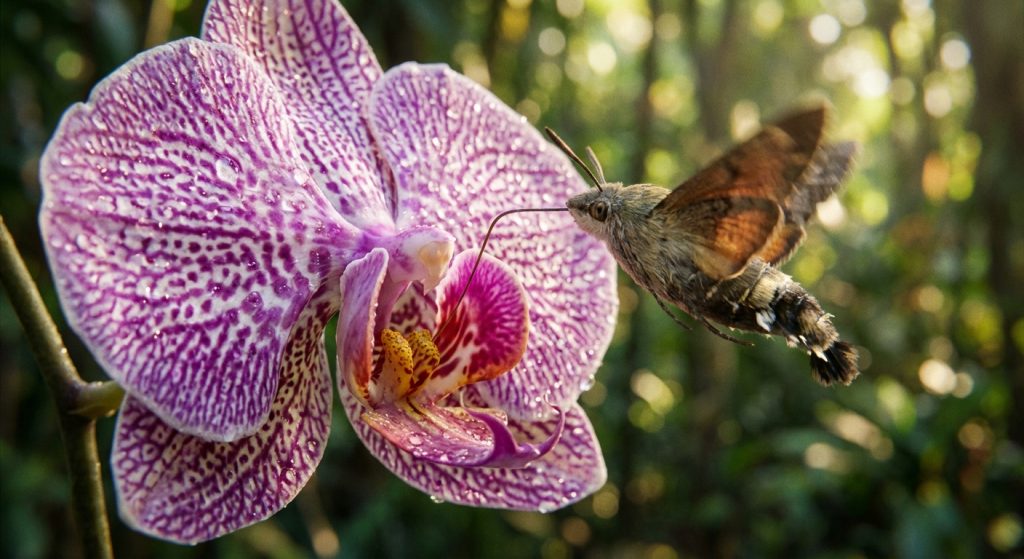
Moths, on the other hand, are often nocturnal pollinators. They are attracted to strong, sweet, and sometimes spicy scents. These scents are released mainly at night. This timing ensures they attract their specific pollinators. The evening primrose, for example, releases its fragrance in the evening. It draws in hawk moths.
Butterflies and Birds: Visual and Olfactory Cues
Butterflies are attracted to bright colors. However, scent also plays a role. They often favor sweet, fragrant flowers. Many butterfly-pollinated flowers have a landing platform. This helps them perch while feeding. The scent guides them to these accessible blooms.
Birds, particularly hummingbirds, are often attracted by color and nectar. However, some birds also have a sense of smell. Flowers pollinated by birds may have less complex scents. They often focus on strong, sweet fragrances. The scent can help birds locate the nectar source quickly.
The Science Behind Scent Production
Flowers produce VOCs in specialized glands. These glands are often located in the petals. The compounds are stored in the flower’s tissues. They are released into the air through diffusion. This process is influenced by temperature and humidity.
The production of scent is metabolically costly for the plant. Therefore, it is tightly regulated. The plant often produces more scent when pollinators are most active. This ensures that the fragrance is potent when it’s needed most. This strategic release maximizes the chances of successful pollination.
Genetic Basis of Scent
The genes controlling scent production are complex. They influence the enzymes responsible for synthesizing VOCs. Understanding these genes can help us understand floral evolution. It also opens doors for agricultural applications. For instance, we could engineer crops with more attractive scents.
Research into floral scent genetics is ongoing. Scientists are identifying key genes. They are studying how these genes are regulated. This knowledge is crucial for understanding plant-pollinator interactions. It also has implications for the fragrance industry. The intricate chemistry of flowers inspires perfumes. The hidden chemistry of floral scents is a rich area for study.
Beyond Simple Attraction: Scent as a Signal
Floral scents do more than just attract. They can also signal the quality of the reward. For instance, a stronger scent might indicate more nectar. It can also signal the flower’s reproductive status. This helps pollinators choose the most viable options.
Some scents can even deter ineffective visitors. This conserves the flower’s resources. It ensures that only the most efficient pollinators are attracted. This selectivity is a testament to evolutionary pressures. It highlights the sophisticated strategies plants employ.
The Role of Olfactory Receptors
Pollinators have specialized olfactory receptors. These receptors are on their antennae. They detect specific VOCs in the air. The shape and chemistry of the VOC molecule determine which receptor it binds to. This binding triggers a signal to the pollinator’s brain.
The sensitivity of these receptors varies. Different species have different sensitivities. This explains why certain scents attract specific insects. It’s a precise lock-and-key mechanism. It ensures that the right pollinator finds the right flower.
Challenges and Future Directions
Pollinator populations are declining worldwide. This poses a significant threat to ecosystems and agriculture. Understanding floral scent is crucial for conservation efforts. It can help us identify and protect key plant-pollinator relationships.
Furthermore, research into floral scents has practical applications. It can inform the development of new pest control methods. It can also lead to more effective lures for beneficial insects. The fragrance industry also draws inspiration from these natural scents. The science of scent is truly multifaceted.
Conservation and Scent
Protecting habitats is vital. This helps maintain the diversity of both plants and pollinators. Conservationists can use scent knowledge. They can identify and prioritize the planting of native, scent-rich flora. This supports local pollinator populations. For example, planting native wildflowers can create vital habitats for bees. This is crucial for maintaining biodiversity. The pollinator garden layouts can be designed with specific scent profiles in mind.
Moreover, understanding scent can help in restoring degraded ecosystems. By reintroducing plants with attractive scents, we can encourage pollinator activity. This can accelerate ecological recovery. The regenerative soil science plays a role too, as healthy soil supports healthy plants with strong scents.
Agricultural and Commercial Applications
In agriculture, scent can be used to attract beneficial insects. These insects can help control pests naturally. This reduces the need for chemical pesticides. The development of synthetic floral scents is also an area of interest. These can be used in perfumes and other consumer products. The chemical complexity of natural floral scents offers endless inspiration.
Understanding the genetic basis of scent is also important. It could allow for the breeding of plants with enhanced or altered fragrances. This could lead to crops with improved pollinator attraction. It might also create novel ornamental plants. The genetic plant editing offers exciting possibilities in this realm.
Frequently Asked Questions (FAQ)
What are volatile organic compounds (VOCs) in flowers?
VOCs are chemical compounds released by flowers that easily evaporate into the air. They are responsible for the characteristic scents of flowers and play a crucial role in attracting pollinators.
How do scientists study floral scents?
Scientists use sophisticated techniques like gas chromatography and mass spectrometry to identify and quantify the various chemical compounds that make up a flower’s scent.
Can all insects smell the same scents?
No, different insects have different olfactory receptors. This means they are sensitive to different types of VOCs, leading to specific scent preferences and attracting particular pollinators to certain flowers.
Why do some flowers smell bad?
Flowers that smell bad, often like rotting meat or dung, do so to attract specific pollinators like flies or certain beetles that feed on or lay eggs in decaying matter.
How does scent help in plant reproduction?
Scent acts as a long-distance signal, guiding pollinators to the flower. Once at the flower, the scent can also signal the presence and quality of nectar or pollen, ensuring that the pollinator is rewarded for its visit and effectively transfers pollen.
What is the importance of specific pollinators for flowers?
Specialized pollinators ensure that pollen is transferred to the correct species of flower, which is essential for successful fertilization and the production of viable seeds and fruits. This specificity reduces wasted pollen and increases reproductive success.
Conclusion
The science of floral scent is a captivating field. It reveals the intricate and highly specific relationships between plants and their pollinators. These fragrant molecules are not just pleasant aromas; they are vital communication tools. They are essential for the survival and reproduction of countless plant species. As we continue to unravel these chemical symphonies, we gain a deeper appreciation for the complexity of nature. This knowledge is also key to addressing conservation challenges. It offers innovative solutions for agriculture and beyond. The subtle language of scent is a powerful reminder of life’s interconnectedness.
