Drip Irrigation AI: Saving Every Drop in the Highlands
Published on February 8, 2026 by Admin
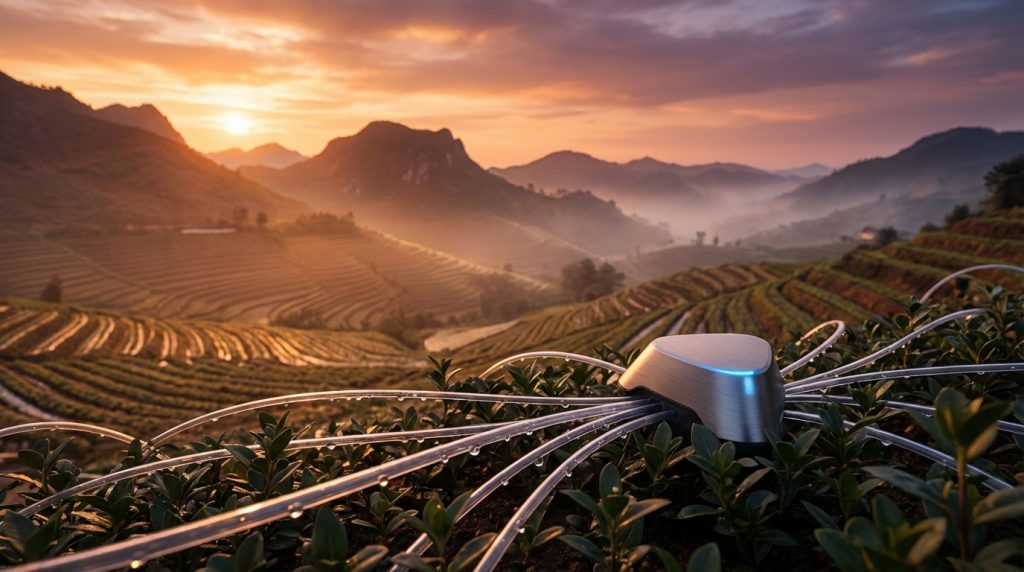
Coffee and pepper cultivation in the highlands faces a growing challenge: water scarcity. Traditional irrigation methods often waste precious water. However, a new era is dawning. Artificial intelligence (AI) is revolutionizing drip irrigation. This technology ensures that every single drop of water is used effectively. It’s a game-changer for high-altitude farms.
The highlands present unique farming conditions. Steep slopes and varied soil types make water management tricky. Overwatering can lead to root rot. Underwatering stunts growth and reduces yield. Therefore, precise irrigation is crucial for success. This is where AI-powered drip irrigation steps in. It offers a smarter, more sustainable approach.
Understanding the Challenges of Highland Agriculture
Highland regions often experience unpredictable rainfall patterns. This variability makes rain-fed agriculture unreliable. Farmers must supplement natural rainfall with irrigation. Yet, traditional methods like flood irrigation are inefficient. They can cause soil erosion on slopes. They also lead to significant water loss through evaporation and runoff. This is a particular concern in areas already facing water stress.
Furthermore, the specific needs of coffee and pepper plants differ. They require precise moisture levels at different growth stages. Maintaining these levels manually is labor-intensive and prone to error. For instance, young coffee plants need consistent moisture. Mature pepper vines, however, might tolerate slightly drier conditions between waterings. Meeting these nuanced demands is difficult without advanced tools.
The Power of Drip Irrigation
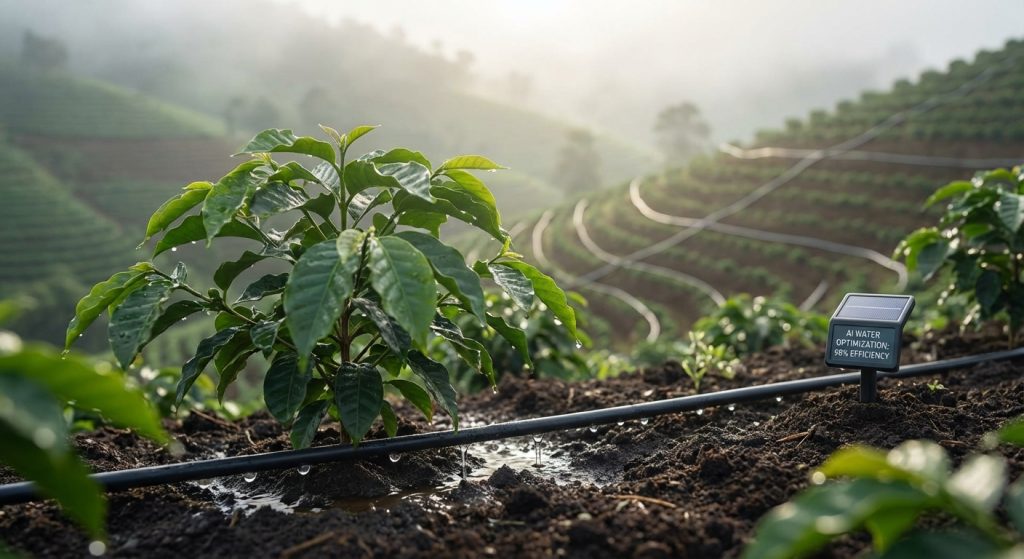
Drip irrigation delivers water directly to the plant’s root zone. It does this through a network of pipes and emitters. This method significantly reduces water waste. Compared to flood or sprinkler systems, it can save up to 70% of water. This efficiency is vital for sustainable farming. It also helps conserve groundwater resources. Less water used means less energy expended for pumping.
Moreover, drip irrigation prevents water from reaching the leaves. This can reduce the risk of fungal diseases. Many coffee and pepper diseases thrive in moist foliage. Therefore, a drier canopy contributes to healthier plants. It also minimizes weed growth. Weeds compete for water and nutrients. By limiting water spread, drip systems help suppress them.
Introducing AI to Drip Irrigation
AI takes drip irrigation to the next level. It moves beyond simple scheduled watering. Instead, it uses data to make real-time decisions. Sensors placed throughout the farm collect vital information. These sensors measure soil moisture, temperature, and humidity. They also monitor weather forecasts. AI algorithms process this data continuously.
The AI system analyzes the collected data. It then determines the exact amount of water needed. It also decides the optimal time to irrigate. For example, if soil moisture is high, it will delay watering. If a heatwave is predicted, it will adjust the schedule proactively. This ensures plants receive water precisely when and where they need it.
Key AI Components in Smart Irrigation:
- Soil Moisture Sensors: These devices measure the water content in the soil. They provide granular data from various points in the field.
- Weather Stations: These collect real-time data on temperature, humidity, wind speed, and rainfall. They also integrate with local weather forecasts.
- AI Algorithms: Sophisticated software analyzes sensor data, weather patterns, and plant-specific needs. It then generates precise irrigation commands.
- Automated Control Systems: These systems receive instructions from the AI. They then activate or deactivate the drip irrigation network accordingly.
Benefits for Coffee and Pepper Growers
The integration of AI with drip irrigation offers numerous advantages for highland growers. Firstly, it leads to substantial water savings. This is crucial in regions facing increasing water scarcity. For instance, by applying only the necessary water, farmers can significantly reduce their water bills and environmental impact. This practice is essential for long-term viability.
Secondly, crop yields and quality often improve. Plants receive optimal hydration. This leads to healthier growth. It also results in better bean or fruit development. For coffee, this means higher quality beans. For pepper, it means more flavorful and potent fruits. Therefore, the investment in technology pays off in increased produce value.
Thirdly, operational efficiency increases. Automation reduces the need for manual labor in irrigation. This frees up farm workers for other tasks. It also minimizes human error in watering. For example, a farmer can monitor and manage irrigation remotely. This is a significant advantage for large or difficult-to-access farms. You can learn more about smart farming technologies by exploring smart greenhouse automation.
Case Study: AI in Action
Imagine a coffee plantation on a steep mountainside. Previously, the farmer used timed sprinklers. This resulted in uneven watering and significant water loss. Now, with AI-driven drip irrigation, sensors are installed at various elevations. The AI analyzes soil moisture readings. It also considers the day’s predicted temperature and humidity. On a hot, dry afternoon, the system might deliver a precise amount of water to the base of each coffee plant. Conversely, after a morning shower, it might pause all irrigation. This intelligent approach ensures the plants are never stressed by drought or waterlogged.
Similarly, pepper farmers can benefit greatly. Pepper plants are sensitive to water stress. AI-driven drip irrigation ensures consistent moisture. This prevents fruit drop and improves pepper quality. The system can even adjust watering based on the pepper’s growth stage. For example, during fruiting, plants may require more water. The AI can adapt to these changing needs automatically. This precision farming approach is key to maximizing output.
Implementing AI Drip Irrigation: What Growers Need to Consider
Adopting AI-powered drip irrigation requires careful planning. Firstly, growers need to invest in the necessary hardware. This includes high-quality drip lines, emitters, sensors, and a control unit. The initial setup cost can be significant. However, the long-term savings in water and increased yields often justify the expense.
Secondly, reliable data collection is essential. Sensors must be properly calibrated and maintained. They should be strategically placed to represent different microclimates within the farm. For example, areas with different sun exposure or soil types will need separate monitoring points. This ensures the AI receives accurate information to work with. Understanding the nuances of your land is key.
Thirdly, choosing the right AI platform is important. Different systems offer varying levels of sophistication and features. Some platforms are more user-friendly for beginners. Others offer advanced analytics and integration capabilities. It’s advisable to research options and perhaps consult with agricultural technology providers. Exploring resources on AI in personalized healthcare can offer insights into data-driven decision-making processes.
The Future of Water Management in Agriculture
AI-powered drip irrigation is more than just a technological upgrade. It represents a paradigm shift in how we manage water resources. As climate change intensifies, water conservation will become even more critical. Technologies like this are vital for ensuring food security. They enable farmers to produce more with less. This is especially true for high-value crops like coffee and pepper.
Furthermore, the data generated by these systems can be invaluable. Farmers can use it to understand their land better. They can identify patterns and optimize practices over time. This data-driven approach fosters continuous improvement. It also contributes to more resilient and sustainable farming systems. The ability to adapt to changing environmental conditions is paramount. This technology provides that adaptive capacity.
Moreover, AI can integrate with other smart farming technologies. This includes drone-based crop monitoring and automated fertilization systems. Such integration creates a truly intelligent farm ecosystem. This holistic approach maximizes efficiency and sustainability. It also helps in early detection of issues like nutrient deficiencies or pest infestations. For instance, understanding organic pest defense strategies can complement precise watering.
Frequently Asked Questions
How much water can AI drip irrigation save?
AI-powered drip irrigation can save significantly more water than traditional methods. While standard drip systems can save up to 70%, AI optimization can further refine this. It ensures water is applied only when and where it is needed, minimizing waste from evaporation or over-application. Some studies suggest potential savings of an additional 10-20% compared to basic drip systems.
Is AI drip irrigation expensive to install?
The initial investment for AI drip irrigation systems can be higher than for conventional methods. This includes costs for sensors, AI software, and automated controllers. However, the long-term benefits, such as reduced water bills, increased crop yields, improved crop quality, and labor savings, often lead to a strong return on investment over time.
What kind of data does the AI use for irrigation decisions?
The AI utilizes a combination of data sources. This includes real-time readings from soil moisture sensors, weather station data (temperature, humidity, wind, rainfall), and historical weather patterns. It also incorporates plant-specific data, such as growth stage and water requirements for coffee and pepper plants. Weather forecasts are also a crucial input for proactive adjustments.
Can AI drip irrigation be used on steep slopes?
Yes, drip irrigation is particularly well-suited for steep slopes. It delivers water directly to the root zone, minimizing runoff and soil erosion that can occur with other methods. AI optimization further enhances this by precisely controlling the amount and timing of water delivery, preventing saturation and potential land slippage.
What maintenance is required for AI drip irrigation systems?
Regular maintenance is necessary for any irrigation system. For AI drip systems, this includes checking and cleaning emitters to prevent clogging, inspecting drip lines for leaks, and ensuring sensors are functioning correctly and calibrated. The AI software itself typically requires updates. Overall, the maintenance is comparable to standard drip systems, with the added benefit of automated monitoring.
Conclusion
The highlands’ coffee and pepper growers are at the forefront of agricultural innovation. Embracing AI-powered drip irrigation is not just about adopting new technology. It’s about ensuring the sustainability of their farms. It’s about protecting a vital resource. It’s about yielding better crops more efficiently. By saving every drop of water, these growers are cultivating a more resilient and prosperous future for themselves and their communities. This intelligent approach to water management is a powerful step forward.