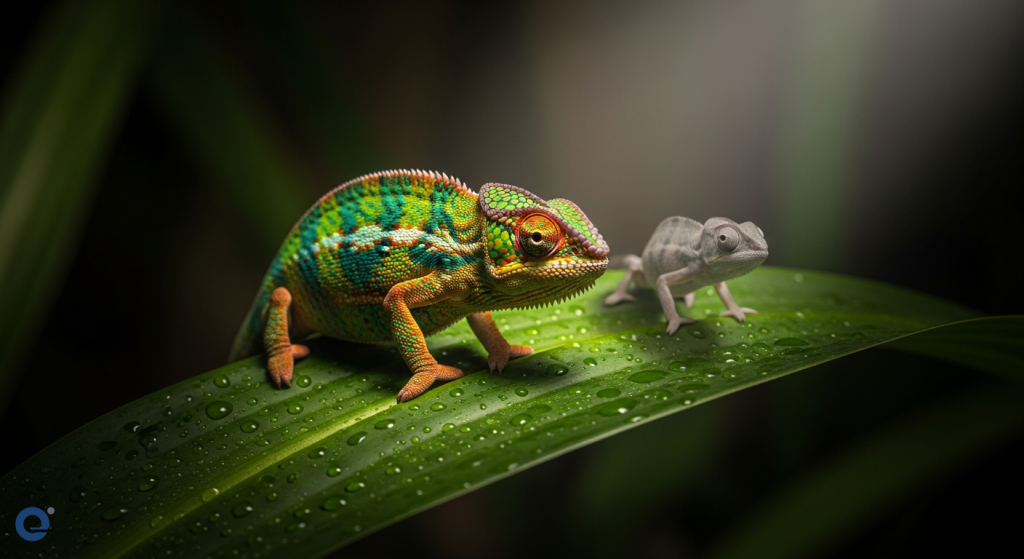
Reptiles are unique pets. Their bodies function differently than mammals. Therefore, their nutritional requirements are also unique. Meeting these specific dietary needs is crucial for their health. Inadequate nutrition, coupled with poor environmental conditions, can lead to serious health issues. Understanding your role as a caretaker is key to preventing and recognizing these problems.
It is essential to do thorough research. This ensures you create the ideal managed care environment. This environment helps maximize your pet’s nutrition. Additionally, caretakers should be aware of their pet’s normal body and behavioral conditions. This allows them to spot any abnormalities quickly. The nutrition you provide is fundamental. A well-managed environment makes that nutrition truly impactful.
The Cornerstone of Reptile Health: Nutrition
Nutrition is the foundation of reptile well-being. Providing a complete and balanced diet is vital. This diet must be formulated for your pet’s species-specific needs. This approach supports their overall health. It also helps prevent many nutritional disorders. For example, Mazuri® Reptile Diets are formulated by experts. They contain all the necessary vitamins, minerals, and nutrients. This helps reptiles thrive in captivity.
While complete diets often negate the need for supplementation, some reptiles are picky eaters. Insectivorous reptiles, for instance, may not readily eat formulated diets. They often require live feed for enrichment and nutrition. However, the nutritional value of live prey depends on its diet. Insects like crickets empty their gut multiple times a day. If you feed your reptile these insects, their nutritional value might be low. To ensure your pet receives adequate nutrients, you must “gut-load” the insects. This means feeding the insects a nutritionally enhanced diet before feeding them to your reptile. As the saying goes, “You are what you eat.” Feeding insects Mazuri® Better Bug® ensures your reptile’s prey is packed with exceptional nutritional value.
Common Nutritional Deficiencies and Diseases
Several common nutrition-related health issues affect pet reptiles. Understanding these can help owners prevent them.
Metabolic Bone Disease (MBD)
Metabolic Bone Disease (MBD) is perhaps the most common nutrition-related disease in captive reptiles. It negatively affects bone and skeletal development. MBD occurs when a reptile’s diet is nutritionally imbalanced. It is also linked to inadequate husbandry. Specifically, a lack of supplemental vitamin D3 is a major cause. This can be due to insufficient UV light exposure or a diet lacking vitamin D3. An improper calcium-to-phosphorus ratio in the diet or supplements is another primary factor. Many reptile species are particularly susceptible. These include turtles, tortoises, bearded dragons, and chameleons. MBD is often visible as deformed limbs, shells, or malformed bodies. Sadly, by the time these symptoms appear, the damage is often irreversible. Therefore, being proactive with nutrition and husbandry is crucial to avoid this disease.
MBD can also be caused by other factors. These include a lack of ultraviolet light exposure. Low environmental temperatures can contribute. Protein deficiency is another cause. Rarely, organ disease might play a role. Clinical signs of MBD can include a loss of appetite. Lethargy and weight loss are common. Reptiles may be reluctant to move. Swelling of the limbs or lower jaw can occur. Bone abnormalities and easily fractured bones are serious signs. Some reptiles may be unable to move their limbs. Muscle twitching and, in rare cases, seizures can also happen. If MBD is suspected, prompt medical treatment and appropriate husbandry changes are necessary. Handling the reptile gently is important. Removing climbing objects like branches or hammocks can prevent injuries from fractured bones.
Vitamin A Imbalance
Vitamin A imbalance is more common in certain reptile species. Aquatic turtles, for example, are often affected. This deficiency manifests physically as swelling of the eyes. Unlike MBD, the effects of vitamin A deficiency can sometimes be reduced once corrected. Vitamin A is essential for proper skin cell development. It also supports healthy organs, muscles, and bones. A deficiency stems from inadequate vitamin A intake through the diet. Hypovitaminosis A can also occur in reptiles whose environments do not closely replicate their natural habitat. Therefore, responsible husbandry and proper environmental conditions are stressed by experts.
Vitamin A deficiency is typically seen in insect-eating lizards. Leopard geckos, chameleons, and anoles are examples. Box turtles and aquatic turtles like red-eared sliders can also be affected. Other reptiles, such as bearded dragons, iguanas, or snakes, are less prone. This is because their diets are naturally more varied and richer in vitamin A. Insectivores require precise vitamin and mineral supplementation. If the insects they eat are not properly fed, they can become deficient. Reptiles need varied feeder insect types. These insects should be fed a commercial diet rich in supplemental nutrients. Additionally, the insects themselves should be dusted with supplements right before being fed to the pet. Improper housing conditions can lead to digestive problems or a refusal to eat. This can predispose reptiles to deficiencies.
Diagnosing hypovitaminosis A in reptiles can be challenging. Laboratory testing of vitamin A blood levels is often impractical for small patients. It also doesn’t provide an accurate measurement, as most vitamin A is stored in the liver. Instead, diagnosis is usually based on diet history and observed clinical signs. Signs of vitamin A deficiency often affect the skin, eyes, or mouth. This is due to impaired skin cell development and turnover, leading to cell buildup. Severe cases can make pets susceptible to infections or organ failure. Symptoms can include:
- Mucus or solid debris in the eyes
- Squinting
- Corneal inflammation (keratitis)
- Dry eyes
- Swollen eyelids (blepharitis)
- Dull body color
- Sore mouth (cheilitis) in lizards
- “Parrot-beak” appearance in turtles
- Difficulty shedding
- Infections
- Kidney failure
Treatment for hypovitaminosis A involves addressing all species-specific environmental needs. This includes habitat size, lighting, temperature, humidity, substrate, and water sources. A wide variety of appropriate foods should be introduced. For insect-eaters, expanding beyond crickets and mealworms is recommended. Consider insects like black fly larvae, silkworms, or wax worms. Ensure these feeder insects are fed a high-quality diet supplemented with vitamin A. They should also receive a vitamin and mineral dust supplement a few times each month. Oral supplements and a proper diet are usually sufficient. However, some pets may require a series of vitamin A injections to build up their levels. Determining the appropriate dosage for injections and supplements can be tricky. It is best to consult your reptile veterinarian for your individual pet’s needs. Improvement may take weeks or months. Pets with eye or skin concerns might need interim treatments. These could include eye rinsing and debris removal, excess skin removal under anesthesia, antibiotic or anti-inflammatory eye medications, or eye lubrication. Supportive care with fluids and/or force-feeding may also be necessary.
Most problems associated with vitamin A deficiency are reversible once corrected. However, if eye problems become severe or prolonged, corneal scarring can lead to diminished vision or blindness. Fortunately, vitamin deficiencies are entirely preventable. Ensuring your pet’s nutritional needs are met is key. Before acquiring a reptile, research their specific care requirements. Also, find a veterinarian experienced in reptile care.
Your pet reptile’s eyes can offer valuable insights into their overall health. If you notice any changes or have concerns about their eyes, contact your veterinarian.
Obesity
Obesity is another common issue that pet owners often overlook. Overfeeding is frequently an expression of love. However, it can lead to serious health challenges. Obesity can result in ailments such as diabetes, joint issues, and a shortened lifespan. Opportunistic feeders need to be fed the appropriate amount and frequency. This is vital for maintaining a healthy animal. Feeding too much fruit can also cause obesity. Fruits are high in sugar. While herbivorous lizards and tortoises might enjoy sugary treats, commercially available fruits have much higher sugar content than those found in their natural habitats. Thus, they should not be a regular part of your pet’s diet.
Hypervitaminosis D
Hypervitaminosis D, or vitamin D toxicity, can occur in reptiles fed diets primarily consisting of cat, dog, or primate food. These foods often contain high levels of vitamin D. This leads to increased calcium absorption. It can also cause mineralization of the kidneys, blood vessels, and tissues. This condition is difficult to treat and can be fatal. Prevention is the best approach. Avoid feeding your reptile a diet based largely on dog, cat, or primate food. This is especially important for herbivorous reptiles. These foods are high in protein, phosphorus, and vitamin D, leading to kidney damage.
Species-Specific Nutritional Needs
Understanding the dietary needs of different reptile species is crucial. These needs vary significantly based on their natural diets and life stages.
Turtle Nutrition
Turtles have diverse dietary requirements. Red-eared sliders, for instance, need a diet with 50% protein when young. As they mature, this should shift to 25% protein and 75% plants. Box turtles are omnivores. They thrive on a varied diet of insects, worms, berries, mushrooms, and leafy greens. Their meals should always include both animal protein and plant matter. Painted turtles require a diet rich in aquatic plants, insects, and small fish. Juveniles need more protein, while adults benefit from more plant material. Map turtles are primarily carnivorous, preferring snails, crayfish, and aquatic insects. Musk and mud turtles are also mainly carnivorous, eating fish, worms, snails, and insects. They may eat some aquatic plants but need less vegetation than other species. Tortoises, unlike most aquatic turtles, are herbivores. They need a diet of grasses, hay, leafy greens, and vegetables, with little to no animal protein. Snapping turtles are opportunistic omnivores. They will eat almost anything, including fish, amphibians, birds, small mammals, carrion, and aquatic plants. Softshell turtles are almost exclusively carnivorous, feeding on fish, crustaceans, and aquatic insects.
Key Components of a Turtle Diet
- Protein Sources: Essential for growth, especially in young reptiles. Feeder fish, crickets, mealworms, commercial turtle pellets, earthworms, and shrimp are good options. Larger species may occasionally eat pinkie mice.
- Leafy Greens and Vegetables: Provide vitamins, minerals, and fiber. Dark leafy greens like dandelion greens, kale, and collard greens are excellent. Romaine lettuce, mustard greens, and turnip greens are also beneficial. Chopped carrots, squash, and bell peppers can be added.
- Fruits: Offer natural sugars and variety, but should be given as occasional treats due to high sugar content. Berries, melons, apple slices, and small amounts of banana are suitable.
- Calcium and Vitamin Supplements: Crucial for preventing deficiencies like calcium deficiency, which can lead to MBD. A proper calcium-to-phosphorus ratio is vital for shell and bone health. Calcium powder, vitamin D3 supplements, reptile multivitamins, and cuttlebone are important.
The feeding schedule also varies by age. Juveniles (under 1 year) need daily feeding. Young adults (1-3 years) should be fed every other day. Mature adults (3+ years) typically eat less frequently.
Beyond Diet: Environmental Factors
While nutrition is paramount, environmental conditions play an equally significant role in reptile health. Reptiles are ectotherms, meaning their body temperature is regulated by their external environment. Therefore, improper housing conditions can directly impact their metabolism and ability to digest food. This can lead to nutritional deficiencies.
Temperature and Lighting
Correct temperature gradients are essential for reptile digestion and overall health. Each species has specific requirements for basking spots and cooler zones. Inadequate temperatures can slow down metabolism, affecting nutrient absorption. Likewise, appropriate lighting is crucial. Many reptiles require specific wavelengths of ultraviolet (UV) light, particularly UVB. UVB light is essential for vitamin D3 synthesis. As discussed earlier, vitamin D3 is vital for calcium absorption. Without sufficient UVB, reptiles cannot properly utilize calcium, leading to MBD. Lack of adequate ultraviolet light exposure is a common contributing factor to MBD.
Humidity and Substrate
Humidity levels must also be maintained appropriately for the species. Low humidity can lead to shedding problems, dry skin, and respiratory issues. High humidity can promote fungal and bacterial growth. The substrate, or bedding, is also important. Some substrates can be ingested, leading to gastrointestinal impactions. Wood chips, sand, and certain loose materials can pose a risk. Supervising reptiles when they roam outside their enclosure is also necessary to prevent them from ingesting inappropriate items.
Preventing and Managing Health Challenges
Prevention is always better than cure when it comes to reptile health. Proactive care can save your pet from suffering and costly treatments.
Research and Preparation
Before acquiring any reptile, conduct thorough research. Understand the specific needs of the species you are interested in. This includes their dietary requirements, environmental needs, and common health issues. Preparing the correct habitat and obtaining appropriate supplies before bringing your pet home is vital. This ensures a smooth transition and immediate provision of proper care.
Regular Veterinary Check-ups
Schedule regular check-ups with a veterinarian experienced in reptile care. Veterinarians can assess your pet’s overall health. They can also identify potential problems early on. This is especially important for monitoring weight, skin condition, and detecting parasites. Yearly fecal checks are recommended for all reptile pets to screen for intestinal parasites.
Observation and Early Detection
Pay close attention to your reptile’s behavior and appearance. Subtle changes can be early indicators of health issues. Lethargy, changes in appetite, unusual droppings, or alterations in skin or eye appearance warrant attention. Early detection allows for prompt intervention, which often leads to a better prognosis.
Frequently Asked Questions
What are the most common signs of Metabolic Bone Disease (MBD)?
Common signs of MBD include deformed limbs or shells, lethargy, loss of appetite, reluctance to move, bone abnormalities, and easily fractured bones. In severe cases, muscle twitching or seizures can occur.
How can I prevent Vitamin A deficiency in my pet reptile?
Ensure your reptile’s diet is rich in vitamin A or supplemented appropriately. For insectivorous reptiles, ensure feeder insects are gut-loaded with a nutrient-rich diet and dusted with supplements. Also, provide a habitat that mimics their natural environment.
Is it safe to feed my reptile fruits as treats?
Fruits can be given as occasional treats in small amounts. However, commercially available fruits are often much higher in sugar than natural fruits. Overfeeding fruits can lead to obesity and other health issues, especially in herbivorous species. Consult your veterinarian for species-specific dietary recommendations.
What role does UV lighting play in reptile health?
UVB lighting is crucial for many reptiles to synthesize vitamin D3. Vitamin D3 is essential for calcium absorption, which is vital for bone health. Without adequate UVB, reptiles are at high risk of developing Metabolic Bone Disease (MBD).
Can my reptile get sick from its environment?
Yes, environmental factors are critical. Incorrect temperature, humidity, or lighting can lead to various health problems, including digestive issues, shedding problems, and deficiencies. Improper substrate can also cause impactions.
What should I do if I suspect my reptile is ill?
If you suspect your reptile is ill, contact a veterinarian experienced in reptile care immediately. Do not attempt to self-diagnose or treat. Prompt veterinary attention is crucial for a positive outcome.
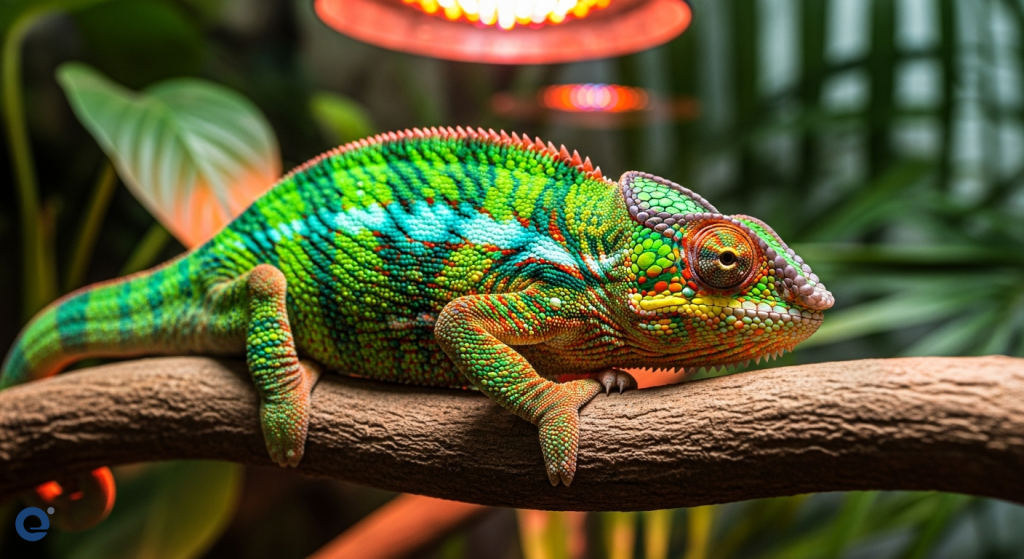
Common clinical conditions in reptiles tips for diagnosis and treatment
Maintaining the health of your reptile companion involves a deep understanding of their unique needs. By prioritizing proper nutrition, environmental conditions, and regular veterinary care, you can help ensure a long and healthy life for your scaly friend. Remember, proactive care and informed decisions are the keys to preventing common health challenges.