Breathe Easy: Top 10 VN Plants for Cleaner Indoor Air
Published on February 8, 2026 by Admin
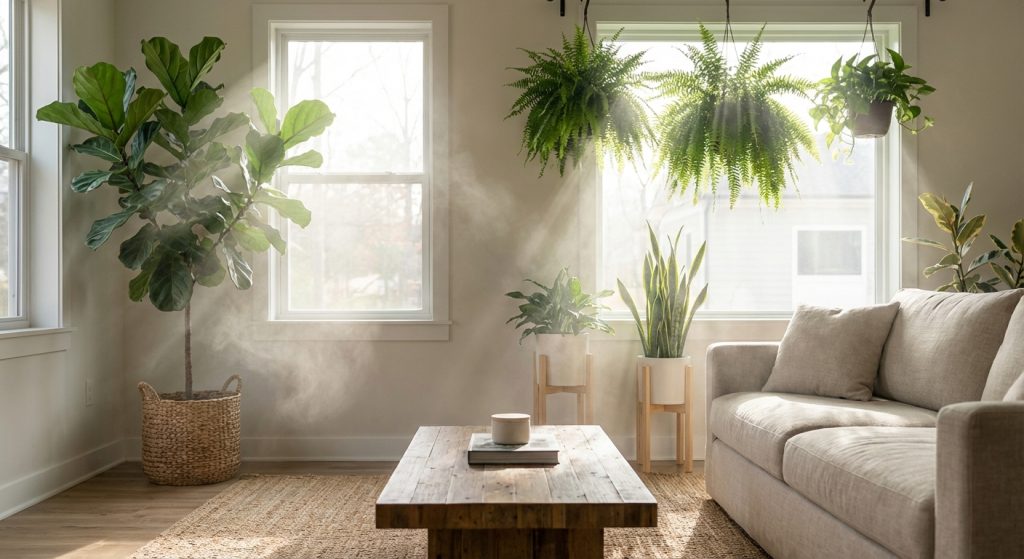
Indoor air quality matters. It significantly impacts health and productivity. Poor air can lead to headaches and fatigue. It can also worsen allergies and asthma. Fortunately, nature offers a simple solution. Many common houseplants can actively purify your indoor environment. These green allies work tirelessly to remove toxins. They make your home and office healthier spaces. This article explores the top 10 Vietnamese plants known for their air-purifying qualities. You’ll learn how they work and how to care for them.
Why Indoor Air Quality is Crucial
Many people spend up to 90% of their time indoors. This makes indoor air quality a major concern. Common indoor pollutants include formaldehyde, benzene, and xylene. These come from furniture, cleaning products, and building materials. Volatile organic compounds (VOCs) are also a problem. Consequently, maintaining good indoor air is essential for well-being.
Plants naturally filter the air. They absorb pollutants through their leaves and roots. This process is often called phytoremediation. It’s a natural and effective way to improve air quality. Therefore, incorporating these plants into your living or working space is a smart choice.
The Science Behind Plant Air Purification
Plants purify air through a biological process. They take in carbon dioxide for photosynthesis. During this process, they release oxygen. However, their air-purifying power goes further. NASA’s Clean Air Study highlighted this. It identified specific plants that remove toxins like benzene, formaldehyde, and trichloroethylene. These toxins are common in homes and offices. Plants absorb these harmful chemicals. They then break them down into less harmful substances. This is a truly remarkable natural function.
Furthermore, the soil and microorganisms in the pot play a role. They help break down some pollutants. Therefore, healthy soil is important for optimal performance. This natural filtration system is a powerful tool for homeowners and office managers.
Top 10 Vietnamese Plants for Toxin Removal
Vietnam’s diverse climate supports a wide variety of beautiful and beneficial plants. Here are 10 excellent choices for improving your indoor air quality:
1. Snake Plant (Sansevieria trifasciata)
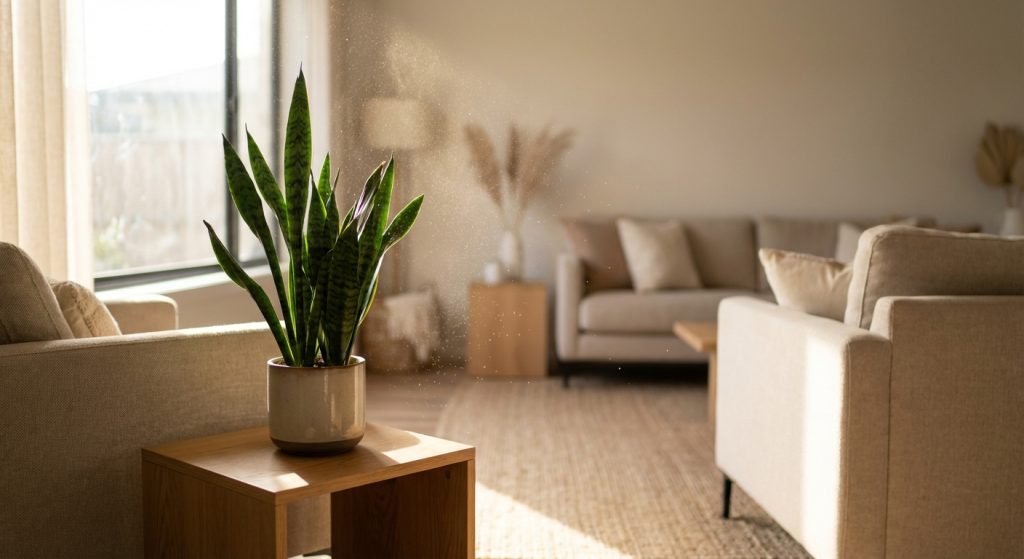
The Snake Plant is incredibly resilient. It thrives in low light and requires minimal watering. It is famous for its ability to convert CO2 into oxygen at night. This makes it ideal for bedrooms. It also effectively removes formaldehyde, benzene, and trichloroethylene. Its upright leaves add a modern touch to any decor.
2. Spider Plant (Chlorophytum comosum)
Spider plants are easy to grow and propagate. They produce small plantlets that can be easily shared. These plants are excellent at removing formaldehyde and xylene. They are also non-toxic to pets, which is a bonus. Their arching leaves create a cascading effect.
3. Peace Lily (Spathiphyllum wallisii)
Peace Lilies are elegant plants with beautiful white blooms. They are highly effective at removing ammonia, benzene, formaldehyde, and trichloroethylene. They prefer moderate light and consistent moisture. Their wilting leaves signal a need for water, making them easy to care for.
4. Areca Palm (Dypsis lutescens)
The Areca Palm is a larger plant that can add a tropical feel. It is a great humidifier and air purifier. It effectively removes formaldehyde, xylene, and toluene. It prefers bright, indirect light and moist soil. This plant can grow quite large, making it a statement piece.
5. Boston Fern (Nephrolepis exaltata)
Boston Ferns are known for their lush, feathery fronds. They are excellent at removing formaldehyde and xylene. They thrive in high humidity and indirect light. Consistent watering is key to keeping them healthy. Their delicate appearance adds a touch of elegance.
6. Chrysanthemum (Chrysanthemum morifolium)
Chrysanthemums are vibrant flowering plants. They are surprisingly effective at removing ammonia, benzene, formaldehyde, and xylene. They prefer bright light. However, they require regular watering and deadheading to encourage blooms. Their cheerful colors can brighten any space.
7. Gerbera Daisy (Gerbera jamesonii)
Gerbera Daisies are cheerful plants with large, colorful blooms. They are known for removing benzene and formaldehyde. They need bright light and well-draining soil. These plants add a pop of color and vitality to any room. They are also relatively easy to care for.
8. Aloe Vera (Aloe barbadensis miller)
Aloe Vera is famous for its medicinal gel. It also purifies the air. It removes formaldehyde and benzene. Furthermore, it requires bright light and infrequent watering. Its succulent leaves have a unique, modern appeal. The gel can also be used for minor burns and skin irritations.
9. English Ivy (Hedera helix)
English Ivy is a classic climbing plant. It is very effective at removing airborne fecal matter by 57%. It also removes benzene, formaldehyde, and xylene. It prefers bright light but can tolerate shade. It can be grown in hanging baskets or trained to climb. This plant is also known for its potential to reduce mold growth.
10. Dracaena (Dracaena spp.)
The Dracaena family includes many popular houseplants. Examples include the Corn Plant and the Dragon Tree. These plants are excellent at removing benzene, formaldehyde, trichloroethylene, and xylene. They prefer moderate light and well-draining soil. Their varied leaf patterns offer diverse aesthetic options.
Caring for Your Air-Purifying Plants
To maximize their air-purifying benefits, proper care is essential. Most of these plants prefer bright, indirect light. However, the Snake Plant and some Dracaena varieties tolerate low light well. Overwatering is a common mistake. Always check the soil moisture before watering. Allow the top inch of soil to dry out for most plants. Good drainage is also crucial. Use pots with drainage holes. Regular dusting of leaves helps plants photosynthesize efficiently. Additionally, consider repotting every 1-2 years. This refreshes the soil and provides more space for roots.
For optimal results, place plants in rooms where you spend the most time. Living rooms, bedrooms, and offices are ideal. Grouping plants can also create a microclimate with higher humidity. This is beneficial for plants like ferns and palms. Thus, a little attention goes a long way in keeping your green air filters healthy.
Beyond Plants: Other Ways to Improve Indoor Air
While plants are fantastic, they are part of a larger strategy. Consider these additional tips for healthier indoor air:
- Ventilation: Open windows regularly to allow fresh air circulation. This is especially important after cleaning or painting.
- Air Purifiers: High-quality HEPA air purifiers can capture fine particles and allergens. They complement the work of plants.
- Reduce Pollutant Sources: Choose low-VOC paints and furniture. Opt for natural cleaning products. Avoid smoking indoors.
- Control Humidity: High humidity can encourage mold growth. Use dehumidifiers if necessary.
- Regular Cleaning: Dusting and vacuuming regularly removes pollutants. This helps maintain a cleaner environment.
A multi-faceted approach ensures the best indoor air quality. Plants are a beautiful and effective component of this strategy. They bring life and freshness into your home or office. They also contribute significantly to a healthier living environment.
Frequently Asked Questions
Are all houseplants good for air purification?
While many plants can improve air quality to some extent, not all are equally effective. The plants listed here have been specifically identified for their ability to remove common indoor toxins.
How many plants do I need to purify my home?
The number of plants needed depends on the size of your space and the level of pollutants. Generally, placing a few plants in each room is a good starting point. For significant improvements, consider consulting studies on plant density.
Are these plants safe for pets?
Some of these plants can be toxic to pets if ingested. For example, English Ivy and Dieffenbachia can cause irritation. Always research a plant’s toxicity before bringing it into a pet-friendly home. The Spider Plant is a safer option for pet owners.
Can plants remove odors from the air?
Yes, plants can help reduce odors by absorbing some of the compounds that cause them. However, they are most effective at removing specific chemical toxins rather than strong, lingering smells.
Conclusion
Improving indoor air quality is a vital step for homeowners and office managers. It directly impacts health, well-being, and productivity. Incorporating air-purifying plants is a natural, beautiful, and effective solution. The 10 Vietnamese plants discussed offer a range of benefits and aesthetic appeal. They are easy to care for and readily available. By adding these green companions to your space, you can create a healthier, more refreshing environment. Remember to also practice good ventilation and reduce pollutant sources for comprehensive air quality management. Breathe easier and live healthier with the power of nature.