
Biodiversity in Tea Plantations: Moving Beyond Monocultures
Published on February 8, 2026 by Admin
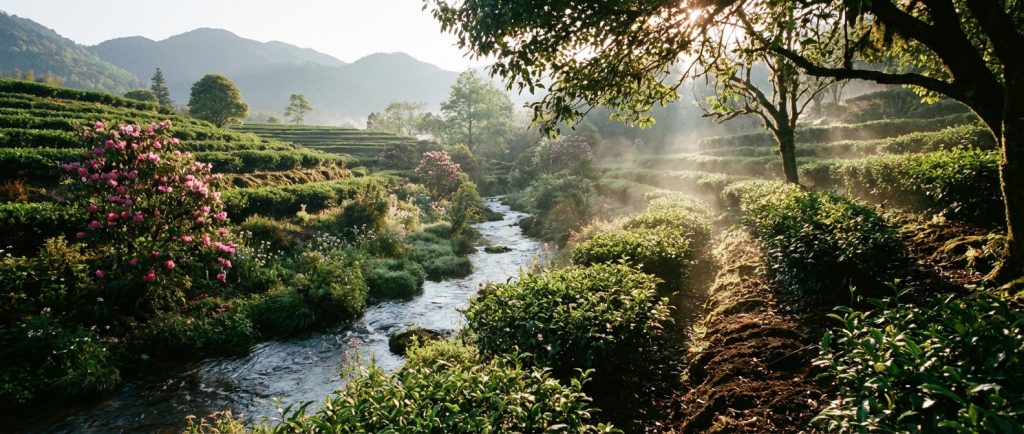
Tea, a beverage cherished globally, has a complex relationship with the environment. For centuries, tea cultivation has often relied on monoculture farming. This means vast fields planted with only one type of tea plant. While this might seem efficient, it has significant ecological drawbacks. Moving away from these single-crop systems is crucial for fostering biodiversity. This shift benefits not only the environment but also the long-term health and quality of tea itself.
The Ecological Cost of Monoculture Tea Farms
Monocultures, by their very nature, create simplified ecosystems. They lack the intricate web of life found in natural environments. This simplification has several negative consequences.
Reduced Habitat and Food Sources
When land is dedicated solely to tea plants, it offers little to no habitat for diverse wildlife. Birds, insects, and small mammals lose their homes. Likewise, the monoculture offers a very limited food palette. This makes it difficult for many species to survive and thrive. Consequently, the overall biodiversity plummets.
Increased Pest and Disease Vulnerability
A field of identical plants is a buffet for pests. Without natural predators or diverse plant defenses, pests can multiply rapidly. Similarly, diseases can spread like wildfire through a uniform crop. Farmers often resort to heavy pesticide and herbicide use to combat these issues. This chemical intervention further damages the local ecosystem.
Soil Degradation
Continuous cultivation of a single crop depletes specific nutrients from the soil. Over time, this leads to soil degradation. Soil becomes less fertile and more prone to erosion. Healthy soil is teeming with microbial life. Monocultures and chemical treatments disrupt this vital underground world. You can learn more about the importance of healthy soil in articles like The Soil’s Silent Scream: How Chemical Fertilizers Harm Earth.
The Rise of Polyculture and Agroforestry in Tea
Fortunately, a paradigm shift is underway. Many tea estates are embracing more sustainable practices. Polyculture and agroforestry are leading this charge. These methods integrate tea cultivation with other plants and trees.
What is Polyculture?
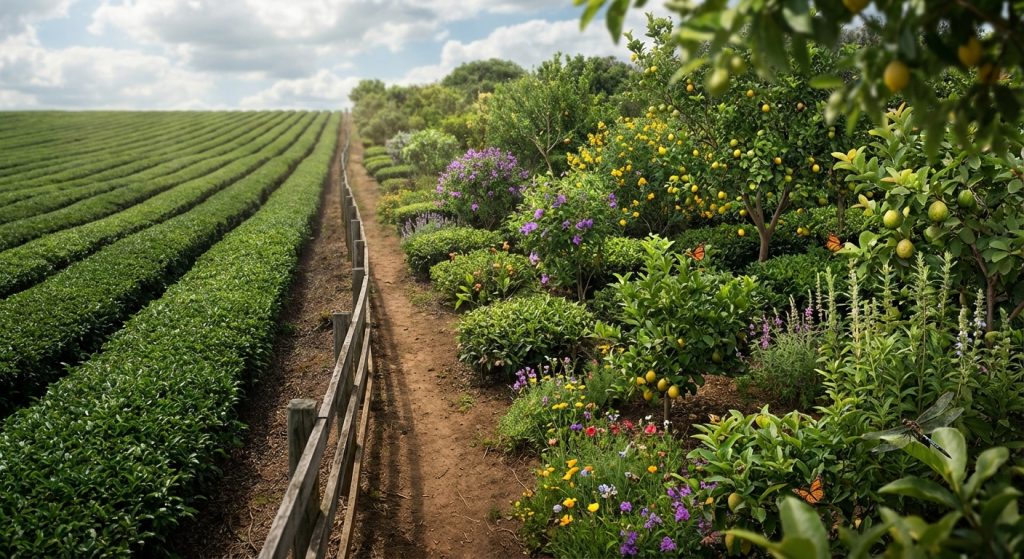
Polyculture involves growing multiple crops in the same area. In tea plantations, this means intercropping tea bushes with other beneficial plants. These might include shade trees, nitrogen-fixing legumes, or flowering plants.
What is Agroforestry?
Agroforestry takes this a step further. It integrates trees and shrubs into the agricultural landscape. In tea regions, this often means planting shade trees among the tea bushes. These trees provide shade, enrich the soil, and offer habitats for wildlife.
Benefits of Biodiversity in Tea Plantations
Embracing biodiversity in tea farming brings a cascade of positive effects. These benefits extend from the micro-level of soil microbes to the macro-level of regional ecosystems.
Enhanced Ecosystem Services
Diverse ecosystems provide essential services. Shade trees, for instance, help regulate temperature and humidity. This can improve tea quality and reduce stress on the plants. Leguminous cover crops fix atmospheric nitrogen into the soil. This naturally fertilizes the tea bushes. It also reduces the need for synthetic fertilizers, which can harm aquatic ecosystems.
Natural Pest and Disease Control
A diverse planting scheme attracts beneficial insects. Ladybugs, lacewings, and parasitic wasps prey on common tea pests. Similarly, a wider array of plants can confuse or deter pests. Flowering plants attract pollinators. These pollinators are vital for many ecosystems. You can explore the role of fungi in pest control in articles like Fungi: Nature’s Tiny Warriors Against Pests.
Improved Soil Health and Carbon Sequestration
Different plants have different root structures and nutrient needs. This diversity enriches the soil. Trees, in particular, help prevent erosion and improve water retention. Their deep roots can access nutrients from deeper soil layers. Furthermore, trees and healthy soils act as carbon sinks. They absorb carbon dioxide from the atmosphere. This helps mitigate climate change. Consider learning more about turning farms into carbon sponges in Vietnam’s Farms: Turning Soil into Carbon Sponges.
Higher Quality Tea
Many tea connoisseurs believe that shade-grown tea offers superior flavor. The shade from trees can slow the growth of tea leaves. This allows them to develop more complex flavor compounds. It also increases the concentration of certain beneficial compounds like L-theanine. This amino acid is known for its calming effects.
Resilience to Climate Change
Monocultures are brittle. They are highly susceptible to extreme weather events. A diverse system is more resilient. If one crop is affected by drought or disease, others may survive. This diversity provides a buffer against the unpredictable impacts of climate change. This is especially important as we face more extreme weather patterns globally.
Examples of Biodiversity Integration
Successful integration of biodiversity is happening in tea-growing regions worldwide. Here are a few examples:
- Shade Trees: Planting species like Grevillea, Erythrina, or indigenous forest trees. These provide shade and habitat.
- Cover Crops: Utilizing legumes like clover or beans. They fix nitrogen and improve soil structure.
- Flowering Plants: Incorporating plants that attract pollinators and beneficial insects. Examples include various native wildflowers or fruit-bearing shrubs.
- Integrated Pest Management (IPM): Combining biological controls, cultural practices, and minimal chemical intervention.
- Preserving Natural Habitats: Maintaining patches of native forest or wetlands within or adjacent to the tea estate.
Challenges and the Way Forward
Transitioning to biodiversity-rich tea farming is not without its challenges. Farmers need education and support. Initial investment costs for shade trees or cover crops can be a barrier. There might also be a learning curve in managing a more complex system.
However, the long-term benefits far outweigh these initial hurdles. Governments and organizations can play a role. They can offer subsidies, training programs, and research support. Certification schemes that recognize biodiversity-friendly practices can also incentivize change. Ultimately, consumers are driving demand for ethically and sustainably produced tea. This demand can be a powerful force for positive change.
Frequently Asked Questions
What is monoculture in tea farming?
Monoculture in tea farming refers to the practice of planting vast areas with only one variety of tea plant, excluding other species. This creates a simplified agricultural landscape.
Why is biodiversity important in tea plantations?
Biodiversity is important because it creates a more stable and resilient ecosystem. It supports natural pest control, improves soil health, enhances water cycles, and can lead to higher quality tea. It also provides habitats for a wider range of wildlife.
What are the benefits of agroforestry for tea?
Agroforestry, by integrating trees into tea plantations, offers shade which can improve tea quality. It also enriches the soil with organic matter and nutrients, prevents erosion, and provides habitat for biodiversity. Furthermore, it contributes to carbon sequestration.
How can consumers support biodiversity in tea production?
Consumers can support biodiversity by choosing teas that are certified as sustainably grown or organic. Looking for brands that are transparent about their farming practices and actively promote biodiversity on their estates is also beneficial.
Are there any downsides to moving away from monoculture?
Initial challenges can include higher setup costs for diverse systems, a steeper learning curve for farmers in managing multiple species, and potential adjustments in harvesting schedules. However, these are often offset by long-term gains in sustainability and quality.
Conclusion
The journey from monoculture to biodiversity-rich tea plantations is a vital one. It is a path that nourishes both the planet and our palate. By integrating diverse plant life, tea estates can become vibrant ecosystems. They can contribute to ecological balance, combat climate change, and produce tea of exceptional quality. For tea lovers and environmental stewards alike, this sustainable future offers a more flavorful and responsible cup.
