The Microbiology of Composting: Turning City Waste into Black Gold
Published on February 8, 2026 by Admin
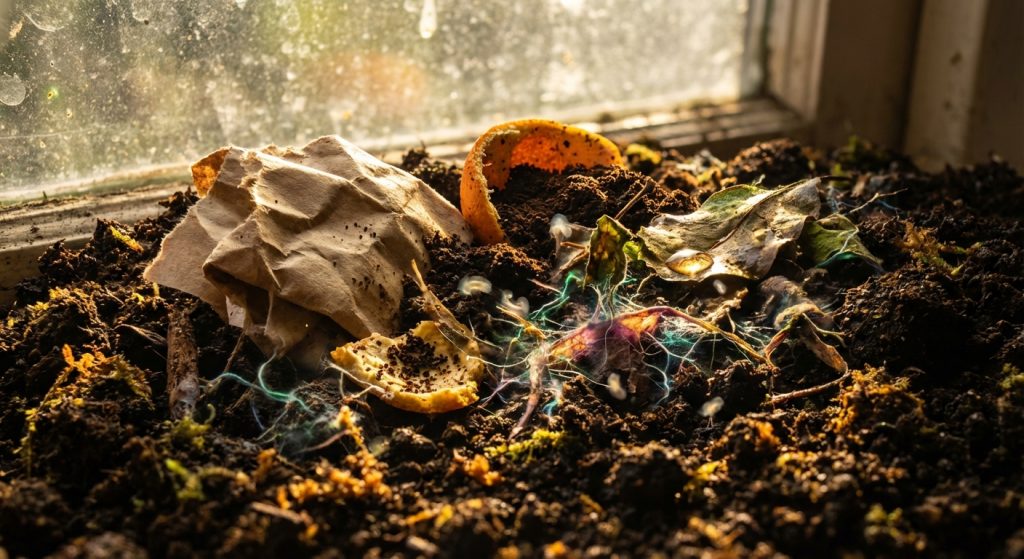
Composting is a natural process. It transforms organic waste into a rich soil amendment. This “black gold” is vital for healthy gardens and sustainable living. But what happens beneath the surface? What microscopic magic turns our trash into treasure? This article explores the fascinating microbiology of composting. We will see how it works, why it’s important, and how you can harness it for your home and city.
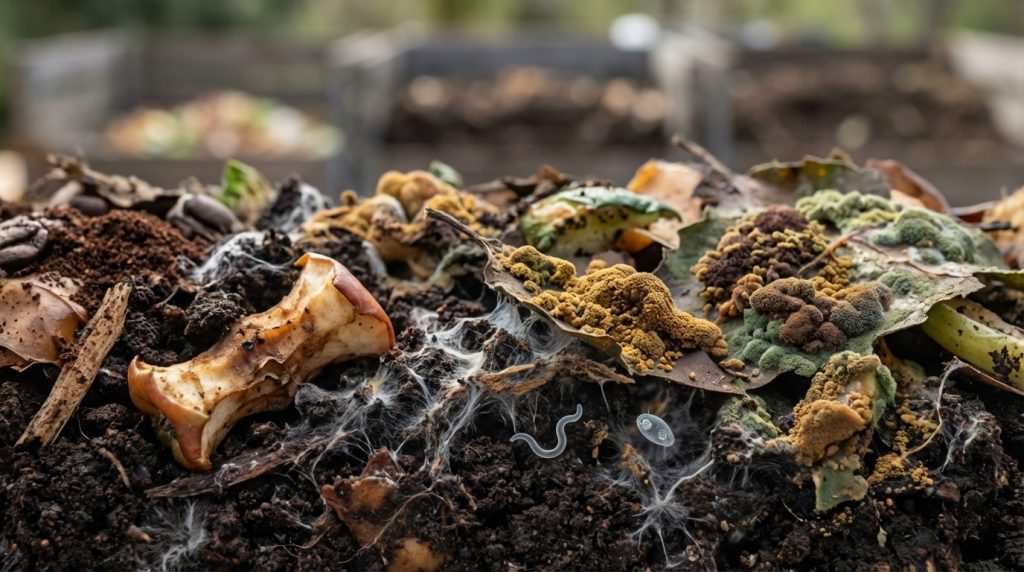
The Unseen Workforce: Microbes at Work
Composting is not just about throwing scraps into a bin. It’s a complex ecosystem. This ecosystem is driven by a diverse community of microorganisms. These tiny workers include bacteria, fungi, actinomycetes, and protozoa. They are the real heroes of decomposition. Without them, our organic waste would pile up indefinitely.
Bacteria: The Primary Decomposers
Bacteria are the most abundant microorganisms in a compost pile. They are the first responders. They work rapidly in the initial stages. Mesophilic bacteria thrive in moderate temperatures. They break down sugars and starches. As the pile heats up, thermophilic bacteria take over. These heat-loving microbes are crucial. They can tolerate temperatures up to 70°C (158°F). This high heat is important. It kills pathogens and weed seeds. Therefore, it produces a safer compost.
Fungi: The Fiber Specialists
Fungi are also vital players. They have powerful enzymes. These enzymes break down tougher materials. Think of cellulose and lignin. These are found in plant cell walls. Fungi are especially important in later stages of composting. They help create the stable humus. This humus is the final product. It enriches the soil structure.
Actinomycetes: The Earthy Scent Producers
Actinomycetes are a type of bacteria. They are often overlooked. However, they play a significant role. They help break down complex organic compounds. These include proteins and fats. Actinomycetes are responsible for the earthy smell of healthy compost. They are most active in the later stages. They contribute to the final crumbly texture.
Protozoa: The Final Polishers
Protozoa are single-celled organisms. They are less numerous than bacteria. However, they are important. They consume bacteria and fungi. This helps regulate microbial populations. Protozoa also release nutrients. These nutrients become available for plants. Therefore, they help create a balanced compost.
The Stages of Composting: A Microbial Journey
Composting progresses through distinct stages. Each stage is characterized by microbial activity. Understanding these stages helps optimize the process.
1. Mesophilic Stage
This is the initial phase. Moderate temperatures prevail. Mesophilic bacteria begin to multiply. They consume easily digestible compounds. This process generates some heat. The pile starts to warm up. This stage typically lasts a few days.
2. Thermophilic Stage
As microbial activity increases, so does the temperature. Thermophilic bacteria become dominant. Temperatures can reach 55-70°C (131-158°F). This high heat is crucial. It sanitizes the compost. It breaks down organic matter rapidly. This stage can last for several weeks. It requires a good balance of materials and aeration.
3. Cooling and Curing Stage
Once the easily decomposable materials are consumed, the temperature drops. Mesophilic organisms return. Fungi and actinomycetes become more active. They continue breaking down more resistant compounds. This curing phase is essential. It allows the compost to stabilize. It develops its rich, earthy aroma. This stage can take several months. It results in a mature, nutrient-rich compost.
Factors Influencing Microbial Activity
Several factors influence the speed and efficiency of composting. Microbes need the right conditions to thrive. These include:
- Carbon-to-Nitrogen Ratio (C:N): Microbes need both carbon (for energy) and nitrogen (for protein synthesis). A balanced C:N ratio is typically between 25:1 and 30:1. “Greens” (nitrogen-rich) include food scraps and grass clippings. “Browns” (carbon-rich) include dry leaves and cardboard.
- Moisture Content: The compost pile should be as damp as a wrung-out sponge. Too dry, and microbial activity slows. Too wet, and anaerobic conditions develop, leading to foul odors.
- Aeration (Oxygen): Most beneficial composting microbes are aerobic. They require oxygen. Turning the compost pile regularly provides this oxygen. It also helps distribute moisture and heat.
- Particle Size: Smaller particle sizes increase the surface area. This allows microbes to access and break down materials more easily. Chopping up larger items speeds up decomposition.
- Temperature: As discussed, temperature is a key indicator of microbial activity. It influences which types of microbes are dominant.
Composting in Urban Environments
Urban waste management presents unique challenges. High population density generates significant amounts of organic waste. Landfills are filling up. Composting offers a sustainable solution. It diverts waste from landfills. It creates a valuable resource for urban greening.
Home Composting Solutions
Homeowners can embrace composting in various ways. Even small spaces can accommodate it. Options include:
- Backyard Composting Bins: These are common for those with yards. They allow for easy turning and containment.
- Worm Composting (Vermicomposting): This is ideal for apartments or small spaces. Red wiggler worms process food scraps efficiently. They produce nutrient-rich worm castings.
- Bokashi Composting: This is an anaerobic fermentation method. It uses a special bran inoculated with effective microorganisms. It can handle meat and dairy products. The fermented material then needs to be buried or added to a traditional compost pile.
- Electric Composters: These countertop appliances use heat and aeration. They speed up the process significantly. They can often break down food waste in hours.
For those interested in urban agriculture, composting is fundamental. It provides the “black gold” needed for thriving city gardens. You can learn more about similar sustainable practices in urban settings, such as vertical aquaponics, which can also transform urban spaces.
Community Composting Initiatives
Beyond individual efforts, community composting projects are vital. These initiatives pool resources. They can process larger volumes of organic waste. This can include food waste from households, restaurants, and markets. Community gardens often benefit greatly. They receive a consistent supply of high-quality compost. This supports local food production. It also fosters a sense of shared responsibility for waste reduction.
The Benefits of Composting Beyond “Black Gold”
The benefits of composting extend far beyond creating a soil amendment. It’s a cornerstone of a circular economy.
- Waste Reduction: Composting diverts a significant portion of household waste from landfills. This reduces methane emissions from decomposing organic matter in landfills. Methane is a potent greenhouse gas.
- Soil Health Improvement: Compost adds organic matter to soil. This improves soil structure, water retention, and aeration. It also introduces beneficial microbes. These microbes can suppress plant diseases. This leads to healthier, more resilient plants.
- Reduced Need for Chemical Fertilizers: Compost is a natural source of nutrients. Using it reduces reliance on synthetic fertilizers. These fertilizers can harm soil ecosystems and pollute waterways.
- Carbon Sequestration: Healthy soils rich in organic matter can store carbon. This helps mitigate climate change. Composting contributes to this process. You can explore this further in articles about turning farms into carbon sponges.
- Water Conservation: Compost-amended soils retain moisture better. This reduces the need for frequent watering. This is especially important in regions facing water scarcity.
Troubleshooting Common Composting Problems
Even with the best intentions, composting can sometimes present issues. Understanding common problems helps you address them quickly.
Problem: Foul Odors (Ammonia or Rotten Egg Smell)
Cause: Lack of oxygen (anaerobic conditions) or too much nitrogen.
Solution: Turn the pile to introduce air. Add more carbon-rich “brown” materials like dry leaves or shredded paper.
Problem: Pile is Too Dry
Cause: Insufficient moisture.
Solution: Water the pile thoroughly. Ensure it feels like a wrung-out sponge. Mix water in as you turn it.
Problem: Pile is Too Wet
Cause: Excessive moisture, poor drainage, or too many “greens.”
Solution: Add more carbon-rich “brown” materials. Turn the pile to improve aeration and help it dry out. Consider covering it during heavy rain.
Problem: Slow Decomposition
Cause: Incorrect C:N ratio, lack of moisture, poor aeration, or cold temperatures.
Solution: Adjust the C:N ratio. Ensure adequate moisture and aeration. In colder weather, insulate the pile or use a compost accelerator.
Problem: Pests (Rodents, Flies)
Cause: Exposed food scraps, especially meat or dairy.
Solution: Bury food scraps deep within the pile. Use a compost bin with a lid. Avoid adding meat, dairy, and oily foods to open piles. For more on managing pests naturally, consider learning about fungi as natural pest control.
Conclusion: Embracing the Microbial Revolution
The microbiology of composting is a testament to nature’s efficiency. It shows how simple organic matter can be transformed into something incredibly valuable. By understanding and supporting these microbial processes, we can turn our urban waste into “black gold.” This practice benefits our gardens, our communities, and our planet. It’s a powerful way for green activists and homeowners to contribute to a more sustainable future. So, start composting today and witness the microscopic magic firsthand!
Frequently Asked Questions (FAQ)
How long does it take for compost to be ready?
Compost readiness varies. It depends on the method, materials, and conditions. Well-managed compost piles can be ready in 2-4 months. Simpler, less managed piles might take 6-12 months. Vermicomposting can produce castings in 1-3 months.
Can I compost meat and dairy products?
Generally, it’s not recommended for traditional backyard composting. These items can attract pests and create foul odors. However, methods like Bokashi fermentation can handle them. The fermented product then needs further processing.
What is the ideal C:N ratio for composting?
The ideal Carbon-to-Nitrogen ratio is around 25:1 to 30:1. This means for every part of nitrogen-rich material, you need about 25-30 parts of carbon-rich material by weight. Too much nitrogen can lead to ammonia smells. Too much carbon slows down decomposition.
Why does my compost smell bad?
Bad smells usually indicate a lack of oxygen (anaerobic conditions) or an imbalance of nitrogen. Turn the pile to aerate it. Add more carbon-rich materials like dry leaves or sawdust to balance the nitrogen. Ensure proper moisture levels, as overly wet conditions also promote anaerobic bacteria.
How can I speed up the composting process?
To speed things up, ensure a good mix of materials. Chop larger items into smaller pieces. Maintain optimal moisture levels. Turn the compost regularly to provide aeration. Keeping the pile warm, especially during the thermophilic stage, also helps significantly.