Phyto-mining: Nature’s Green Gold Extraction Method
Published on February 8, 2026 by Admin

The mining industry constantly seeks innovative methods for resource extraction. Traditional mining can be destructive. It often leaves significant environmental scars. However, a revolutionary approach is emerging: phyto-mining. This method harnesses the power of plants to extract valuable minerals from the soil. Therefore, it offers a more sustainable and eco-friendly alternative. This article explores the fascinating world of phyto-mining.
What is Phyto-mining?
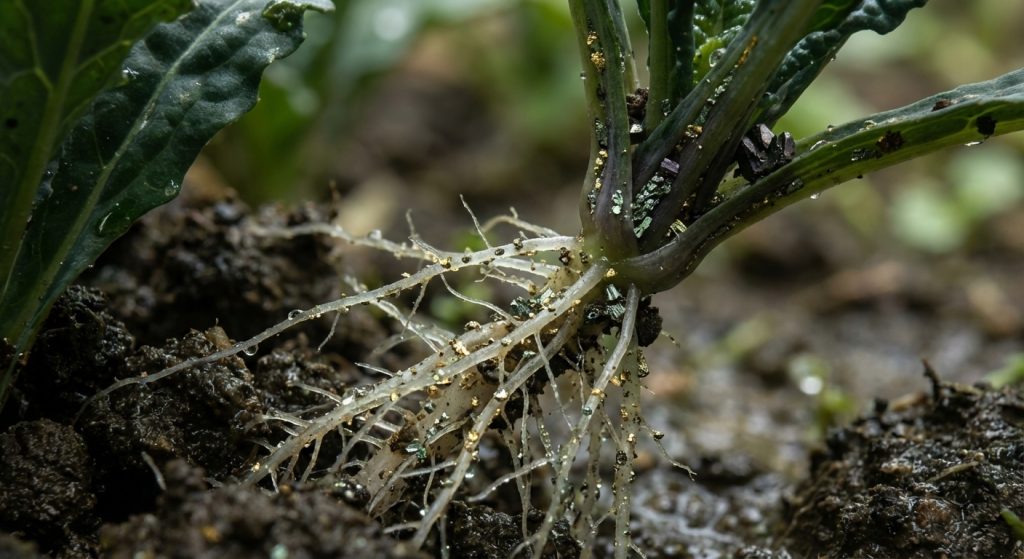
Phyto-mining, also known as phytoremediation or phytoextraction, is a bio-mining technique. It uses specific types of plants to absorb and accumulate metals and minerals from contaminated or mineral-rich soils. These plants are often called hyperaccumulators. They possess a unique ability to tolerate and concentrate metals in their tissues. Essentially, plants act as natural pumps. They draw up minerals from the earth through their root systems. Then, they store these minerals in their shoots and leaves.
This process is particularly useful for extracting rare earth elements (REEs) and other valuable metals. These include gold, nickel, copper, and even radioactive elements. The concentration of these metals in plant tissues can be surprisingly high. This makes harvesting the plants a viable method for recovery.
The Science Behind Plant-Based Extraction
Plants absorb minerals from the soil through their roots. This is a natural part of their growth process. They require essential nutrients for survival. However, certain plants have evolved mechanisms to absorb and store metals. They do this even when these metals are present in high concentrations. This process involves specialized proteins and transport systems within the plant. These systems move metal ions from the soil solution into the root cells. From there, they are translocated to the above-ground parts of the plant.
For example, some plants can accumulate nickel to levels thousands of times higher than normal. Others can extract significant amounts of gold. This remarkable capability is driven by their genetic makeup and their interaction with the soil environment. Understanding these biological pathways is key to optimizing phyto-mining techniques.
Types of Plants Used in Phyto-mining
Not all plants are suitable for phyto-mining. The success of this method relies on using specific plant species. These are known as hyperaccumulators. They can tolerate high levels of toxic metals. They also accumulate these metals to economically viable concentrations. Some well-known examples include:
- Alyssum (Sweet Alyssum): Known for accumulating nickel.
- Thlaspi (Pennycress): Can accumulate zinc and cadmium.
- Brassica (Mustard family): Some species are effective at extracting lead and selenium.
- Sunflowers: Have been used to extract uranium and lead.
- Indian Mustard (Brassica juncea): This is a particularly promising species. It can accumulate a wide range of metals, including arsenic, cadmium, lead, and nickel. Furthermore, it grows relatively quickly.
Researchers are also investigating genetically modified plants. These modifications aim to enhance their metal uptake capabilities. This could significantly boost the efficiency of phyto-mining operations.
The Phyto-mining Process Step-by-Step
The phyto-mining process typically involves several stages. Firstly, suitable hyperaccumulator plants are selected. These plants are then planted in mineral-rich or contaminated soils. Over a period of weeks or months, the plants absorb the target minerals. As they grow, they accumulate these minerals in their biomass. Once the plants have reached maturity, they are harvested. This is usually done by cutting the above-ground parts. The harvested plant material is then processed. This processing can involve drying and incineration. This leaves behind an ash rich in the extracted minerals. Finally, these concentrated minerals can be further refined using conventional metallurgical techniques.
Therefore, this method effectively concentrates dispersed metals into a manageable form. It also reduces the need for extensive excavation and physical disruption of the landscape.
Advantages of Phyto-mining
Phyto-mining offers several compelling advantages over traditional mining methods. These benefits are particularly relevant in the context of environmental sustainability and resource management.
Environmental Benefits
One of the most significant advantages is its minimal environmental impact. Unlike conventional mining, phyto-mining does not involve large-scale excavation. It does not produce vast amounts of toxic tailings. Instead, it uses plants to naturally remove contaminants or valuable metals. This helps in restoring degraded land. It also prevents the spread of soil and water pollution. Furthermore, the plants themselves contribute to soil health and biodiversity. This aligns with principles of regenerative agriculture.
Economic Advantages
Phyto-mining can be more cost-effective, especially for low-grade or dispersed mineral deposits. Conventional mining often requires significant capital investment. It also has high operational costs. Phyto-mining, on the other hand, uses natural processes. The primary costs involve planting, harvesting, and processing. In some cases, it can even revitalize mine-waste sites, turning liabilities into assets. This can be especially beneficial for extracting precious metals like gold. These metals are often found in low concentrations in traditional ore bodies. The ability to extract them from soil or even industrial wastewater offers new economic opportunities.
Sustainability and Resource Management
This method aligns perfectly with the principles of a circular economy. It allows for the recovery of valuable resources that might otherwise be lost. As mineral reserves become scarcer, phyto-mining provides a sustainable pathway to access them. It also reduces reliance on energy-intensive extraction processes. Therefore, it contributes to a lower carbon footprint for resource acquisition. This approach also offers a solution for cleaning up sites contaminated by past mining activities. Phytoremediation is a well-established technique for this purpose. It demonstrates the versatility of plants in environmental management.
Challenges and Limitations
Despite its promising potential, phyto-mining is not without its challenges. Several factors need careful consideration for its successful implementation.
Time and Scale
Plant growth is a relatively slow process. Accumulating sufficient quantities of minerals can take several growing seasons. This makes phyto-mining less suitable for high-volume, rapid extraction needs. Scaling up operations to meet industrial demands can also be complex. It requires large areas of suitable land and efficient harvesting systems. Therefore, it is often best suited for niche applications or as a supplementary extraction method.
Metal Concentration and Bioavailability
The concentration of metals in plants can vary significantly. It depends on the plant species, soil conditions, and environmental factors. Achieving economically viable concentrations requires careful selection of plants and optimization of growth conditions. Metal bioavailability in the soil is also critical. Some metals may be present but not easily absorbed by plants. Thus, understanding soil chemistry is paramount.
Processing and Refinement
Once the plants are harvested and incinerated, the resulting ash still needs further processing. This is to isolate and purify the target minerals. These downstream processes can be complex and energy-intensive. They often require specialized metallurgical techniques. Therefore, the overall economic viability depends on the efficiency of both the biological uptake and the subsequent refinement stages.
Public Perception and Regulatory Hurdles
As with any new technology, public perception and regulatory frameworks play a role. Educating stakeholders about the safety and efficacy of phyto-mining is important. Establishing clear regulations for its application will be crucial for widespread adoption. Ensuring that the harvested plants are handled and disposed of safely is also a key consideration.
The Future of Phyto-mining
The field of phyto-mining is rapidly evolving. Ongoing research focuses on several key areas. These include identifying new hyperaccumulator species. They also focus on enhancing their metal uptake efficiency through genetic engineering. Furthermore, researchers are developing more efficient harvesting and processing techniques. The integration of AI and data analytics could also play a significant role. This could help in predicting optimal planting sites and managing growth cycles. For instance, understanding how plants sense and respond to their environment is crucial. This is similar to how plants can “hear” water, as explored in research on root sensitivity. The sentience of roots highlights the complex interactions plants have with their surroundings.
As the demand for rare minerals continues to grow, phyto-mining presents a sustainable and environmentally conscious solution. It offers a glimpse into a future where nature and technology work hand-in-hand. This allows us to harness Earth’s resources responsibly.
Frequently Asked Questions (FAQ)
What are hyperaccumulator plants?
Hyperaccumulator plants are a special group of plants that can absorb and store extremely high concentrations of metals or non-metals from the soil. They can tolerate levels that would be toxic to most other plant species. This makes them ideal for phyto-mining and phytoremediation.
Can phyto-mining extract all types of minerals?
Phyto-mining is most effective for certain types of metals, particularly heavy metals like nickel, zinc, cadmium, and lead. It can also be used for precious metals like gold and elements like arsenic and selenium. However, its effectiveness varies depending on the mineral and the specific plant species used. It is less suited for bulk commodities like iron ore.
Is the harvested plant material safe to handle?
The harvested plant material will contain concentrated metals. Therefore, it should be handled with appropriate safety precautions. Processing typically involves drying and incineration. This concentrates the metals into an ash, which is then further refined. The safety protocols are similar to those used in other mineral processing industries.
How does phyto-mining compare to traditional mining in terms of cost?
Phyto-mining can be more cost-effective for low-grade or dispersed mineral deposits. Traditional mining often requires high upfront capital and operational costs. Phyto-mining’s main costs are planting, harvesting, and processing the biomass. However, the slower extraction rate needs to be factored in. The economic viability is highly dependent on the specific minerals being targeted and their market value.
What is the environmental benefit of phyto-mining over traditional methods?
Phyto-mining has a significantly lower environmental footprint. It avoids large-scale excavation and the generation of toxic tailings. Instead, it uses plants to naturally extract metals, which can help in soil remediation and land restoration. It is a much greener approach to resource extraction. It can even help in cleaning up sites contaminated by past industrial activities, similar to the broader concept of phytoremediation.
Conclusion
Phyto-mining represents a paradigm shift in mineral extraction. It leverages the natural capabilities of plants to provide a sustainable, environmentally friendly, and potentially cost-effective method for recovering valuable resources. While challenges remain in terms of speed and scale, ongoing research and technological advancements are paving the way for its wider adoption. For mining engineers and geologists, understanding phyto-mining opens up new avenues for responsible resource management and innovative extraction strategies. It is a testament to the untapped potential of the natural world.