
The Rise of “Plant-Tech”: Wearable Sensors for Your Houseplants
Published on February 8, 2026 by Admin
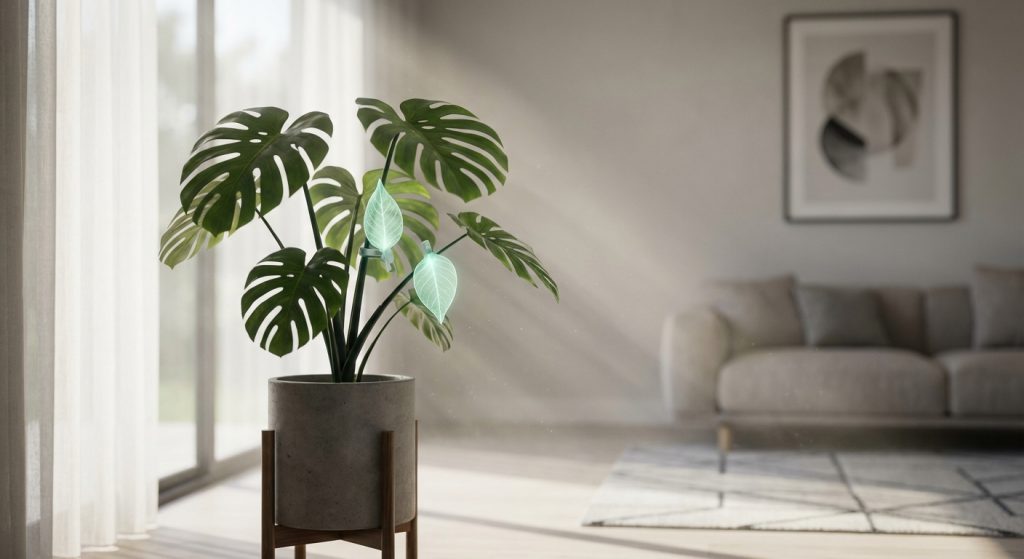
Millennials and Gen Z are embracing plant parenthood like never before. However, keeping these green companions thriving can be a challenge. Enter “Plant-Tech.” This innovative field offers wearable sensors for houseplants. These gadgets are changing how we care for our leafy friends. They bring a new level of precision and ease to plant care. Therefore, even beginners can achieve a lush indoor jungle.
Understanding the Need for Plant-Tech
Many plant lovers struggle with the basics. Overwatering is a common mistake. Too little light is another frequent issue. Soil health can also be tricky to manage. Traditional methods rely on guesswork. This often leads to sad, wilting plants. Plant-tech aims to eliminate this uncertainty. It provides data-driven insights. As a result, plant parents can make informed decisions.
The trend of bringing nature indoors is strong. Plants improve air quality. They also boost mood and reduce stress. Millennials, in particular, are drawn to this connection with nature. They often live in urban environments. Therefore, indoor plants become a vital link to the natural world. However, busy schedules can make consistent care difficult. This is where technology steps in.
What Are Wearable Plant Sensors?
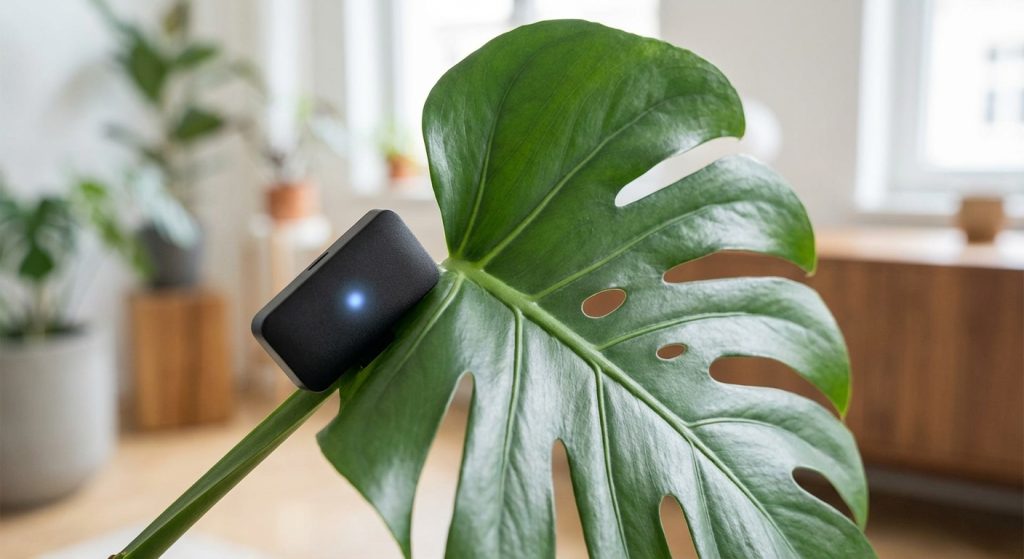
Wearable plant sensors are small devices. They are typically inserted into the soil of a potted plant. These sensors monitor key environmental factors. They collect real-time data about the plant’s needs. Think of them as smartwatches for your plants. They provide crucial information directly to your smartphone.
Commonly monitored metrics include:
- Soil moisture levels
- Light intensity
- Temperature
- Humidity
- Soil nutrient levels (sometimes)
These sensors connect wirelessly to an app. The app then interprets the data. It provides clear, actionable advice. For instance, it might tell you exactly when to water. It can also alert you if your plant needs more sunlight. Consequently, plant care becomes a science, not an art.
How Plant-Tech Enhances Plant Care
Plant-tech offers several key benefits. Firstly, it prevents common care mistakes. Overwatering kills more houseplants than underwatering. Sensors accurately measure soil moisture. This ensures your plant gets just the right amount of water. Secondly, they optimize growing conditions. Plants have specific light and humidity needs. Sensors help you meet these requirements precisely. This leads to healthier, happier plants.
Furthermore, these devices promote a deeper understanding of plants. You learn what your specific plant species needs. This knowledge is invaluable. It moves beyond generic advice. It empowers you to become a better plant caregiver. Moreover, plant-tech can be a fun and engaging experience. It gamifies plant care. It makes it more interactive and rewarding.
The Technology Behind the Sensors
These sensors utilize various technologies. They often employ capacitive or resistive sensing for soil moisture. Light sensors measure ambient light levels. Temperature and humidity sensors are also standard. Connectivity is usually achieved via Bluetooth or Wi-Fi. This allows for seamless data transfer to a companion app.
The apps themselves are sophisticated. They often have extensive plant databases. You can select your specific plant species. The app then tailors its recommendations. It uses algorithms to analyze the sensor data. It compares this data against optimal conditions for that plant. As a result, you receive personalized care instructions. Some advanced systems even integrate with smart home ecosystems.
Popular Plant-Tech Gadgets on the Market
Several brands offer innovative plant sensors. Many focus on user-friendliness and affordability. Some popular options include:
- Xiaomi Mi Flora: A popular choice offering basic moisture and light readings.
- Koubachi Sensor: Known for its robust data analysis and plant database.
- PlantLink: Offers a simple setup and clear notifications for watering needs.
- Atomi Smart Plant Monitor: Integrates with other smart home devices for a connected experience.
- Eve Aqua: While primarily for outdoor watering, its principles apply to smart plant monitoring.
Each device has its unique features. Some are designed for specific plant types. Others offer a broader range of functionalities. It is important to research and choose one that fits your needs and budget.
Benefits for Millennials and Gen Z
For millennials and Gen Z, plant-tech aligns perfectly with their values. They are tech-savvy. They appreciate convenience and data-driven solutions. Moreover, many are focused on sustainability. Plant-tech can help reduce water waste. It ensures plants are cared for efficiently. This aligns with a desire for eco-conscious living.
Furthermore, these devices foster a sense of accomplishment. Successfully nurturing plants can be incredibly rewarding. It contributes to mental well-being. It also offers a creative outlet. Many young people share their plant journeys online. Plant-tech adds another layer to this engaging hobby. It makes plant care accessible and enjoyable. It is a clear example of how technology can enhance our connection with nature.
Challenges and Future of Plant-Tech
Despite its promise, plant-tech still faces challenges. Battery life can be an issue for some devices. Connectivity can sometimes be unreliable. The cost of advanced sensors might be prohibitive for some. Also, the sheer variety of plant species means that a one-size-fits-all solution is difficult. However, the industry is rapidly evolving.
Looking ahead, we can expect more sophisticated sensors. These might include soil nutrient analysis and pH monitoring. Integration with AI could lead to predictive plant health diagnostics. Imagine your sensor alerting you to potential pest infestations. Or it could suggest the best fertilizer based on real-time soil conditions. The potential for plant-tech is immense. It promises a future where plant care is effortless and highly effective. This will undoubtedly lead to greener homes and happier plant parents.
Frequently Asked Questions
Are plant sensors really necessary?
While not strictly necessary, plant sensors can be incredibly helpful. They remove the guesswork from plant care. This is especially beneficial for beginners or those with busy lifestyles. They help prevent common mistakes like overwatering.
How do I choose the right plant sensor?
Consider the types of plants you have. Look at the features offered by different sensors. Check for app compatibility and user reviews. Price and battery life are also important factors.
Will these sensors harm my plants?
No, most plant sensors are designed to be safe for plants. They are typically made of durable, non-toxic materials. They are inserted gently into the soil and do not damage roots.
Can plant sensors help me with rare or exotic plants?
Yes, many plant sensor apps have extensive databases. These often include care requirements for rare and exotic species. This can be invaluable for keeping challenging plants alive and thriving. For instance, understanding specific needs is crucial for plants like those discussed in orchid genomics.
What is the future of plant-tech?
The future likely holds more advanced sensors. These will provide deeper insights into plant health. AI integration will enable predictive diagnostics. We may also see more seamless integration with smart home systems. This will create a truly connected ecosystem for plant care.
Conclusion
The rise of “Plant-Tech” is a testament to our growing desire to connect with nature. Wearable sensors for houseplants are no longer a novelty. They are becoming essential tools for modern plant enthusiasts. By providing precise data and actionable insights, these devices empower everyone to become a successful plant parent. Therefore, whether you’re a seasoned botanist or a complete beginner, plant-tech offers a smarter, more connected way to nurture your green companions. As technology continues to advance, we can expect even more innovative solutions to emerge, making plant care more accessible and rewarding than ever before.
“`
