Navigating Carbon Offset Scams: Verifying Forest Growth in Vietnam
Published on February 9, 2026 by Admin
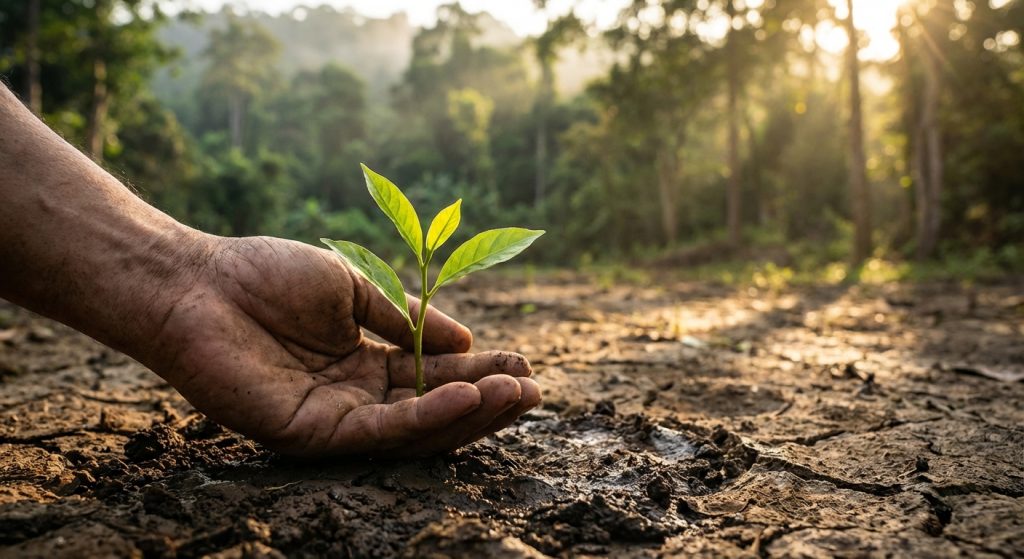
The global push for sustainability has fueled the growth of carbon markets. Many companies invest in carbon offsets. They aim to neutralize their emissions. Forest restoration projects are popular choices. However, not all carbon offsets are legitimate. Scams do exist. This is especially true in emerging markets like Vietnam. Therefore, ESG analysts and regulators must be vigilant. They need to verify real forest growth. This ensures genuine environmental impact. It also protects investor confidence.
The Allure and Pitfalls of Forest-Based Carbon Offsets
Forests are powerful carbon sinks. They absorb significant amounts of CO2. Investing in afforestation and reforestation projects seems ideal. For instance, Vietnam has vast forest potential. It offers opportunities for carbon sequestration. However, the lack of robust oversight can lead to issues. Some projects may overstate their impact. Others might not deliver on promised growth. This creates a risk of “phantom credits.” These are credits for carbon that was never actually removed.
Consequently, due diligence is crucial. Analysts must look beyond glossy reports. They need verifiable data. This is essential for accurate ESG reporting. Without proper verification, investments are wasted. Moreover, it undermines the credibility of the entire carbon market. This can deter future climate action initiatives.

Common Carbon Offset Scam Tactics
Scammers employ various tactics. They often exploit the complexity of carbon accounting. Some common red flags include:
- Exaggerated Growth Claims: Projects might claim unrealistically rapid tree growth rates. These claims are often not backed by scientific data.
- Lack of Transparency: Information about project methodology, monitoring, and verification is often hidden. Legitimate projects are open about their processes.
- Unverified Methodologies: Projects may use unproven or outdated carbon accounting methods. This makes their reported reductions unreliable.
- “Ghost Forests”: Sometimes, projects claim credit for existing forests. They do not plant new trees or ensure additional growth.
- Poorly Defined Boundaries: The exact area of the forest project might be unclear. This makes it difficult to verify the total carbon sequestered.
- Lack of Long-Term Commitment: Projects might lack a long-term plan for forest maintenance. This raises doubts about sustained carbon storage.
These tactics are designed to deceive. They prey on the urgency of climate action. Therefore, understanding these schemes is the first step in prevention.
Key Indicators of Genuine Forest Growth in Vietnam
Verifying forest growth requires a multi-faceted approach. It involves looking for specific, verifiable indicators. These indicators help confirm the authenticity and impact of a project.
1. Independent Verification and Certification
Firstly, always look for recognized certification standards. Reputable carbon offset projects undergo rigorous third-party verification. Standards like Verra’s Verified Carbon Standard (VCS) or the Gold Standard are important benchmarks. These organizations have strict methodologies. They ensure that claimed emission reductions are real, measurable, and additional. Therefore, any project claiming carbon credits should hold such certifications.
Furthermore, the verification reports themselves are key. They should detail the methodologies used. They must also present clear data on carbon sequestration. Regulators should scrutinize these reports carefully. They should also check the credibility of the verifiers. Sometimes, even accredited verifiers can be compromised. Thus, a layered approach to verification is best.
2. Robust Monitoring, Reporting, and Verification (MRV) Systems
A strong MRV system is non-negotiable. It provides ongoing proof of forest health and growth. This includes:
- Satellite Imagery Analysis: Advanced remote sensing technology can track changes in forest cover. It can also estimate biomass and carbon density over time.
- Ground-Based Measurements: Regular on-site surveys are essential. These involve measuring tree height, diameter, and density. They confirm the health of the trees.
- Drones and LiDAR: These technologies offer precise 3D mapping of forest structures. They provide detailed data on canopy cover and biomass.
- Data Transparency: The collected data should be accessible. It should be easy for stakeholders to review and audit.
For instance, projects using LiDAR and AI for forest health monitoring offer a high degree of accuracy. This technology can detect subtle changes. It can also provide detailed insights into forest structure.
3. Project Transparency and Local Community Engagement
Genuine projects involve local communities. They often benefit from employment and sustainable land management practices. Transparency extends to financial flows and project governance. Therefore, look for evidence of:
- Community Consultation: Projects that consult with and involve local communities are more likely to be sustainable.
- Benefit Sharing: Clear mechanisms for sharing the economic benefits of carbon credits with local stakeholders are a positive sign.
- Land Tenure Security: Secure land rights for the project area are crucial. This ensures long-term commitment and prevents displacement.
- Open Communication: Projects should have clear channels for communication and grievance redressal.
Engaging with local stakeholders is vital. It provides an on-the-ground perspective. It can also uncover issues missed by remote monitoring. For example, understanding agroforestry practices can reveal how local communities integrate trees sustainably.
The Role of Technology in Verification
Technology plays an increasingly important role in verifying forest growth. It offers objective and scalable solutions.
Remote Sensing and Data Analytics
Satellite imagery and aerial photography provide a broad overview. They can detect deforestation or degradation. However, advanced analytics are needed for precise carbon stock assessment. AI-powered platforms can analyze vast datasets. They can estimate biomass and carbon sequestration with greater accuracy. This technology is essential for monitoring large-scale projects.
Blockchain for Transparency
Blockchain technology offers a secure and transparent ledger. It can track carbon credits from origin to retirement. This helps prevent double-counting. It also increases accountability. Therefore, projects utilizing blockchain for their carbon credit registry are often more trustworthy.
Ground-Truthing Technologies
While remote sensing is powerful, ground-truthing remains critical. Technologies like handheld GPS devices, drones with high-resolution cameras, and portable biomass scanners are used. These tools collect ground-truth data. This data validates the remote sensing information. It ensures the accuracy of the overall assessment.
Regulatory Oversight and Due Diligence for Analysts
For ESG analysts and regulators, a proactive approach is necessary. This involves understanding the Vietnamese context and implementing robust due diligence.
Understanding Vietnam’s Regulatory Landscape
Vietnam is developing its legal framework for carbon markets. Analysts must stay updated on these regulations. They should understand the roles of different government bodies. For example, the Ministry of Natural Resources and Environment (MONRE) is often involved. Awareness of local laws and guidelines is paramount.
Conducting Thorough Due Diligence
When evaluating a carbon offset project in Vietnam, follow these steps:
- Verify Credentials: Confirm the project’s registration with recognized standards. Check for valid certification and verification reports.
- Scrutinize MRV: Examine the detailed MRV plan. Ensure it uses credible technologies and methodologies. Look for data from multiple sources.
- Assess Project Team: Investigate the experience and reputation of the project developers. Do they have a track record of success?
- Review Financials: Understand the project’s financial structure. How are funds allocated? Is there a clear plan for long-term maintenance?
- Local Context: Consider the socio-economic and environmental context of the project. Does it align with local development goals?
- Seek Independent Advice: Consult with environmental experts or specialized due diligence firms. They can provide objective assessments.
For instance, understanding high-tech reforestation solutions in Vietnam can highlight the potential for innovative and verifiable projects.
Conclusion: Building Trust in Vietnam’s Carbon Market
Carbon offset scams erode trust. They hinder genuine climate action. For ESG analysts and regulators, the responsibility is significant. By focusing on verifiable data, independent verification, robust MRV systems, and transparency, it is possible to distinguish legitimate projects from fraudulent ones. Technology offers powerful tools for this purpose. However, human oversight and critical assessment remain indispensable.
Ultimately, building a credible carbon market in Vietnam requires collaboration. It needs strong regulatory frameworks. It also demands diligent investors and informed analysts. Only then can carbon offsets truly contribute to a sustainable future. This ensures that investments in forest growth translate into real, lasting environmental benefits.
Frequently Asked Questions (FAQ)
What are the biggest risks associated with carbon offset scams in Vietnam?
The biggest risks include investing in projects that don’t deliver real carbon reductions, leading to wasted capital and reputational damage. It also undermines the integrity of the voluntary carbon market and slows down genuine climate action.
How can I verify if a forest growth project in Vietnam is legitimate?
Look for recognized certifications like VCS or Gold Standard. Scrutinize their Monitoring, Reporting, and Verification (MRV) plans. Check for transparency in data and project operations, and investigate the project team’s credentials.
What role does technology play in verifying forest growth?
Technology, such as satellite imagery, AI analytics, drones, and LiDAR, provides objective data on forest cover, biomass, and growth rates. Blockchain can enhance transparency by tracking carbon credits.
Are there specific government bodies in Vietnam responsible for carbon offset projects?
Yes, typically ministries like the Ministry of Natural Resources and Environment (MONRE) are involved in overseeing environmental projects and carbon market development. It’s important to stay updated on their specific regulations and guidelines.
What is the importance of local community engagement in carbon offset projects?
Local community engagement ensures projects are socially sustainable and beneficial. It provides ground-level insights, helps prevent conflicts, and can reveal issues missed by remote monitoring. It also fosters long-term project success.