
Blockchain for Vietnam’s Wood: Traceability & Trust
Published on February 9, 2026 by Admin
The global furniture market is evolving. Consumers demand sustainability. They want to know where products come from. This is especially true for wood. Exporters and supply chain managers face new challenges. Ensuring ethical sourcing is crucial. Verifying timber origins is now a priority. Fortunately, technology offers solutions. Blockchain technology is one such solution. It can revolutionize wood traceability. This article explores how blockchain tracks Vietnamese wood. It highlights benefits for exporters and supply chains.
The Growing Demand for Sustainable Wood
Sustainability is no longer a niche concern. It is a mainstream expectation. This applies to many industries. The furniture sector is no exception. Consumers are more aware. They are willing to pay more for eco-friendly products. This trend impacts sourcing decisions. It also affects brand reputation. Companies must prove their commitment. They need verifiable proof of sustainability. This is where transparent supply chains become vital. Customers want to avoid illegal logging. They also want to support responsible forestry.
Vietnam is a major furniture exporter. Its wood industry is significant. Therefore, ensuring sustainable practices is key. Traditional tracking methods can be flawed. They are often manual and paper-based. This makes them prone to errors. It also makes them vulnerable to fraud. Therefore, a more robust system is needed. Blockchain offers this needed resilience. It provides an immutable record. This record details the wood’s journey.
What is Blockchain Technology?
Imagine a digital ledger. This ledger is shared across many computers. It is called a distributed ledger. Blockchain is a type of this ledger. Transactions are grouped into “blocks”. Each block is linked to the previous one. This creates a chain. Hence, the name “blockchain”.
Once a block is added, it cannot be changed. This is called immutability. It makes the data very secure. It also ensures transparency. Everyone on the network can see the transactions. However, only authorized participants can add new data. This permissioned access is crucial for businesses. It allows for controlled data sharing.
Key features of blockchain include:
- Decentralization: No single point of control.
- Transparency: All participants can view the ledger.
- Immutability: Data cannot be altered once recorded.
- Security: Cryptographic principles protect the data.
These features make blockchain ideal for tracking complex supply chains. The wood industry is a prime example.
Tracking Vietnamese Wood with Blockchain
How does this apply to Vietnamese timber? The process starts at the source. It involves several key steps. Firstly, timber is harvested legally. This must be documented. Each batch of wood receives a unique digital identity. This identity is recorded on the blockchain. This record includes details like origin, species, and harvest date. It may also include certifications.
As the wood moves through the supply chain, each transaction is recorded. This includes processing, transport, and export. Each step adds a new block to the chain. For example, a sawmill adds a record. A shipping company adds another. A customs agent can verify these records. Finally, the furniture manufacturer receives the wood. They too record its arrival.
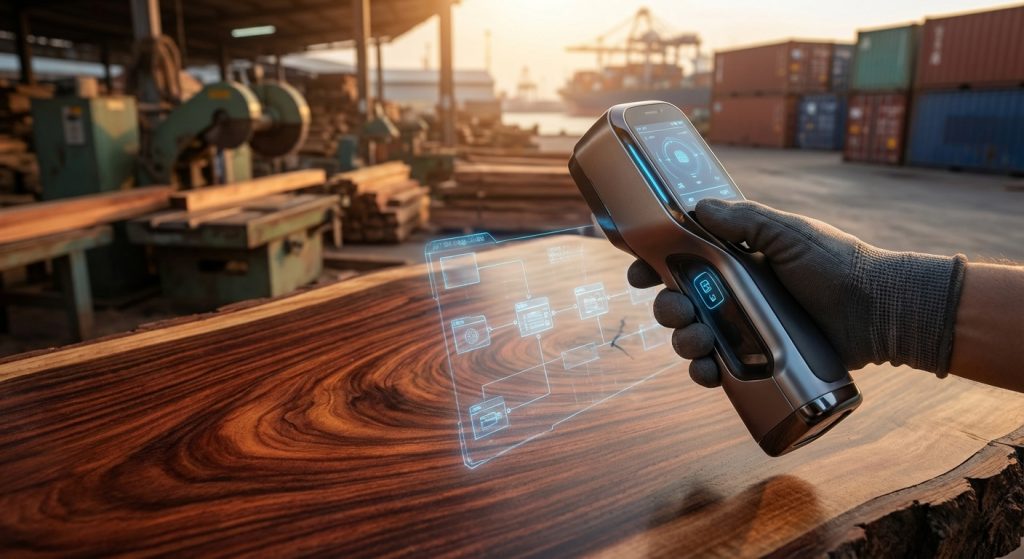
This creates a complete, verifiable history. This history is accessible to all authorized parties. Exporters can prove their wood’s origin. Supply chain managers can monitor every step. This transparency builds trust. It also enhances accountability.
Benefits for Furniture Exporters
For furniture exporters, blockchain offers significant advantages. Firstly, it provides irrefutable proof of origin. This meets buyer demands. It can also lead to premium pricing. Sustainable products often command higher values. Secondly, it streamlines compliance. International regulations on timber trade are strict. Blockchain simplifies audits. It reduces the risk of penalties. Furthermore, it enhances brand image. Demonstrating ethical sourcing builds customer loyalty. It differentiates exporters in a competitive market. Lastly, it can reduce disputes. Clear, verifiable records prevent misunderstandings. This can save time and money.
Advantages for Supply Chain Managers
Supply chain managers benefit greatly. Blockchain offers real-time visibility. They can track inventory precisely. This helps optimize logistics. It reduces waste and delays. For example, knowing exact timber quantities prevents overstocking. It also helps identify bottlenecks. Furthermore, blockchain enhances security. It protects against counterfeit timber. It also prevents unauthorized diversion. This ensures product integrity. Moreover, it fosters collaboration. Shared data encourages better communication among partners. This leads to a more efficient and resilient supply chain. It can also help identify areas for improvement. For instance, analyzing transport data might reveal fuel savings.
This technology can integrate with existing systems. It does not necessarily require a complete overhaul. This makes adoption more feasible. It is a powerful tool for modernizing operations. It is crucial for navigating the complexities of global trade.
Challenges and Considerations
While promising, blockchain implementation is not without hurdles. Firstly, initial setup costs can be high. Developing and deploying a blockchain system requires investment. Secondly, widespread adoption is needed. For the system to be effective, all participants must be on board. This includes farmers, processors, and logistics providers. Getting everyone to agree on standards can be challenging. Thirdly, technical expertise is required. Managing and maintaining a blockchain network needs skilled personnel. Fourthly, data input accuracy is critical. Blockchain ensures data integrity once entered. However, incorrect data entered at the source will persist. Therefore, robust data collection protocols are essential.
Moreover, scalability is a concern. As more transactions are added, the chain grows. Ensuring efficient processing of large volumes of data is important. Finally, regulatory frameworks are still evolving. Understanding and complying with these can be complex. However, these challenges are being addressed. Pilot projects are demonstrating success. Technology is also becoming more accessible.
The Future of Sustainable Timber Trade
The integration of blockchain in the timber trade is a significant step. It moves the industry towards greater transparency and sustainability. As technology advances, we can expect more sophisticated solutions. These might include integration with IoT devices. Sensors could automatically record harvest data. Smart contracts could automate payments upon delivery verification. This would further enhance efficiency and trust. Ultimately, blockchain empowers consumers. It gives them confidence in their purchases. It supports businesses committed to ethical practices. It also helps protect valuable forest resources.
For Vietnam’s furniture exporters, embracing this technology is strategic. It positions them as leaders in sustainable trade. It opens doors to new markets. It also builds long-term resilience. The future of the wood industry depends on trust. Blockchain provides that foundation. This technology can help ensure that Vietnam’s beautiful wood products are sourced responsibly. It supports the long-term health of forests and communities. This is crucial for the industry’s continued success. It also aligns with global sustainability goals.
Frequently Asked Questions (FAQ)
What is the primary benefit of using blockchain for wood traceability?
The primary benefit is enhanced transparency and immutability. Blockchain creates a secure, unalterable record of a wood product’s journey from origin to final destination. This ensures authenticity and ethical sourcing.
Can blockchain help prevent illegal logging?
Yes, by providing a verifiable chain of custody. If timber is harvested illegally, it cannot be entered into the blockchain system with legitimate documentation. This makes it much harder to introduce illegally sourced wood into the supply chain.
Who are the main participants in a wood traceability blockchain network?
Participants typically include forest owners or harvesters, sawmills, furniture manufacturers, logistics providers, certification bodies, and end consumers or retailers. Access can be permissioned.
Is blockchain technology expensive to implement for small businesses?
Initial implementation can involve costs. However, as the technology matures and platforms become more standardized, solutions are becoming more accessible. Cloud-based blockchain services can reduce upfront investment.
How does blockchain ensure the data entered is accurate?
Blockchain itself ensures data integrity once entered. However, accuracy depends on the initial data input. Robust data collection processes, verification steps, and potentially IoT integration are key to ensuring accurate data entry.
Can blockchain help Vietnam’s wood industry meet international sustainability standards?
Absolutely. Many international standards require verifiable proof of origin and sustainable practices. Blockchain provides the transparent and auditable trail needed to meet these requirements, potentially opening up more premium markets.
