
Biomimicry in VN Architecture: Nature’s Blueprint
Published on February 9, 2026 by Admin
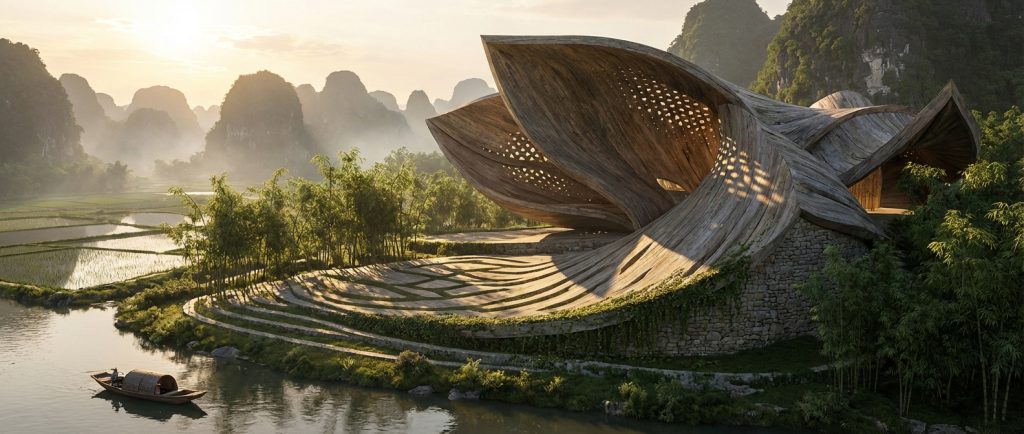
Vietnamese architecture has a rich history. It often draws inspiration from the natural world. This practice, known as biomimicry, is not new. It is deeply embedded in the culture. Architects and designers are increasingly looking to nature for solutions. They seek sustainable and efficient designs. Nature offers timeless wisdom. This wisdom can shape our built environment. Two powerful examples are the lotus and bamboo. They showcase remarkable adaptability and resilience. Learning from them can transform Vietnamese architectural practices.
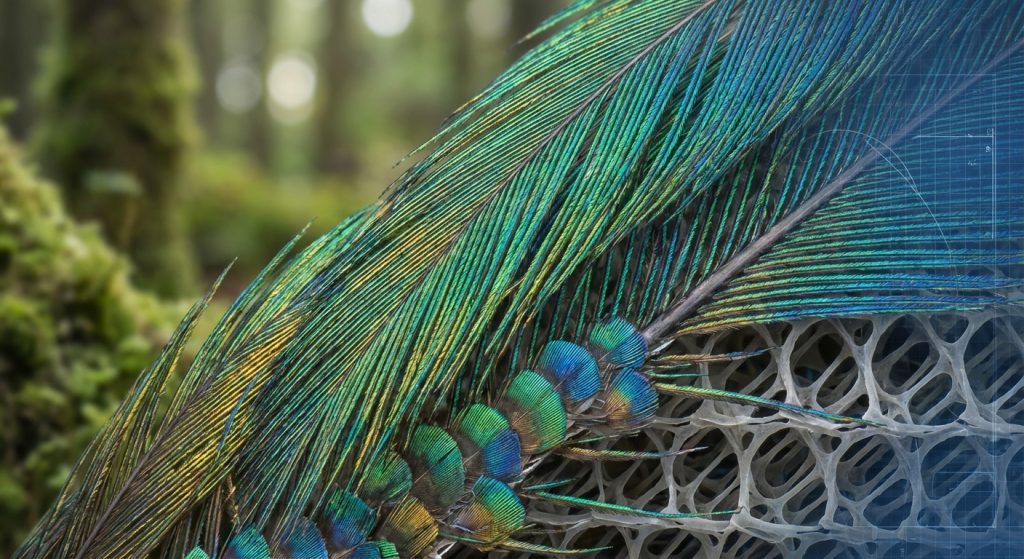
The Lotus: Symbol of Purity and Efficiency
The lotus flower is a potent symbol in Vietnam. It represents purity, enlightenment, and resilience. Its architectural applications are fascinating. The lotus leaf, for instance, is a marvel of self-cleaning. Its surface has a micro-structure. This structure causes water to bead up and roll off. Dirt and debris are carried away. This is known as the “Lotus Effect.”
Applying the Lotus Effect in Design
Architects can learn from this. They can design buildings with self-cleaning facades. This reduces maintenance needs. It also enhances durability. Such surfaces stay cleaner longer. They require less water for cleaning. This is a significant benefit. It conserves resources. Furthermore, the lotus structure inspires new materials. These materials could mimic its water-repellent properties. Imagine buildings that stay pristine with minimal effort. This is the power of biomimicry. It offers practical, sustainable solutions.
The lotus stem also offers structural lessons. It is hollow and segmented. This provides strength and lightness. It allows for efficient nutrient transport. Architects can apply these principles. They can design lighter yet stronger building components. This reduces material usage. It lowers construction costs. It also minimizes the building’s environmental footprint. This is crucial for sustainable development.
Bamboo: Strength, Flexibility, and Sustainability
Bamboo is another iconic natural material in Vietnam. It is abundant and grows rapidly. This makes it an incredibly sustainable resource. Bamboo possesses remarkable strength. It is also highly flexible. These qualities make it ideal for construction. Traditional Vietnamese structures often feature bamboo. It is used for everything from houses to bridges.
The Structural Ingenuity of Bamboo
Bamboo’s hollow, segmented structure is key. It provides excellent tensile strength. This means it can withstand pulling forces well. Its flexibility allows it to sway in the wind. This prevents it from breaking under stress. This resilience is invaluable in earthquake-prone regions. Architects can learn from this. They can design buildings that are both strong and adaptable. This is especially important in areas prone to natural disasters. You can find out more about seismology and structural resilience to understand these challenges better.
Moreover, bamboo is a carbon sink. It absorbs carbon dioxide as it grows. This makes it an environmentally friendly building material. Using bamboo in construction helps combat climate change. It offers a sustainable alternative to conventional materials like concrete and steel. This aligns with the growing demand for green building practices. The potential of bamboo as a carbon sink is significant. It is even being explored for carbon trading.
Biomimicry in Modern Vietnamese Architecture
Modern Vietnamese architects are embracing biomimicry. They are moving beyond traditional uses. They are exploring innovative applications. This integration leads to more functional and aesthetic designs. It also promotes environmental consciousness.
Ventilation and Climate Control
Nature provides excellent models for ventilation. For example, termite mounds maintain stable internal temperatures. They do this through a complex system of tunnels. These tunnels regulate airflow and humidity. Architects can replicate this. They can design buildings with natural ventilation systems. This reduces reliance on air conditioning. It lowers energy consumption. It also improves indoor air quality. This is a significant benefit for occupant health. Consider the principles of health-integrated architecture, which also focuses on occupant well-being.
The way leaves dissipate heat is another inspiration. They have a large surface area. This allows for efficient cooling. Architects can use similar strategies. They can incorporate features like louvers and shading devices. These elements mimic leaf structures. They control sunlight penetration. They also promote air circulation. This creates comfortable interior environments. It does so without excessive energy use.
Water Management and Harvesting
Water conservation is a critical challenge. Nature offers ingenious solutions. The pitcher plant collects water effectively. Its shape guides water into its central cavity. Similarly, desert beetles collect dew on their bodies. These natural mechanisms can inform water harvesting systems. Architects can design buildings that capture rainwater efficiently. They can use contours and surfaces that mimic natural water flow. This collected water can be used for irrigation or non-potable purposes. This reduces reliance on municipal water supplies. It is a vital step towards water sustainability.
The structure of natural sponges inspires filtration systems. Sponges have porous bodies. These bodies filter water effectively. This principle can be applied to wastewater treatment. Buildings can incorporate bio-filters. These filters use natural materials. They remove pollutants from water. This creates a closed-loop water system. It minimizes environmental discharge. This is a key aspect of sustainable design.
Challenges and Opportunities
While biomimicry offers immense potential, challenges exist. Integrating natural principles into construction can be complex. It requires interdisciplinary collaboration. Architects need to work with biologists, material scientists, and engineers. Understanding the intricate details of natural systems is crucial. This understanding ensures effective application.
However, the opportunities are vast. Biomimicry fosters innovation. It leads to more sustainable, resilient, and aesthetically pleasing buildings. It connects us more deeply with the natural world. As Vietnam continues to develop, embracing biomimicry is essential. It offers a path to harmonizing human progress with ecological well-being. For instance, creating urban forests is a form of biomimicry that enhances city living.
Frequently Asked Questions
What is biomimicry in architecture?
Biomimicry in architecture is the practice of looking to nature’s designs and processes for inspiration. Architects study natural forms, systems, and functions to create sustainable, efficient, and innovative buildings.
How does the lotus flower inspire architecture?
The lotus flower’s self-cleaning leaf surface (the “Lotus Effect”) inspires self-cleaning building facades. Its stem’s strength and lightness can inform the design of building components.
Why is bamboo a sustainable building material?
Bamboo is sustainable because it grows rapidly and absorbs significant amounts of carbon dioxide. It is also strong, flexible, and renewable, making it an excellent alternative to traditional construction materials.
Can biomimicry help with climate control in buildings?
Yes, absolutely. Architects can mimic natural ventilation systems, like those in termite mounds, and heat dissipation strategies, like those of leaves, to create buildings that regulate temperature naturally, reducing energy consumption.
What are the challenges of implementing biomimicry in architecture?
Challenges include the need for interdisciplinary collaboration between architects, biologists, and engineers. It also requires a deep understanding of complex natural systems to translate them effectively into built environments.
Conclusion
The lotus and bamboo are just two examples of nature’s profound influence. They offer invaluable lessons for Vietnamese architecture. By studying these natural wonders, architects can design buildings that are not only beautiful but also highly functional and environmentally responsible. Embracing biomimicry is more than a design trend. It is a pathway to a more sustainable future. It ensures that our built environment coexists harmoniously with the natural world. This approach promises a greener, more resilient Vietnam.
